While the technology of the tank and the tactics behind its employment advanced in leaps and bounds during the war, another factor lead to its vast increase in effectiveness. This was the development of combined arms tactics.
The tank played a key part in the all arms formations of the war. It represented the key striking power in ground formations. Its mobility and firepower allowed it to deliver a knock out blow to enemy at lightening speed. However, without the support and cooperation of numerous other arms, the tank was very vulnerable.
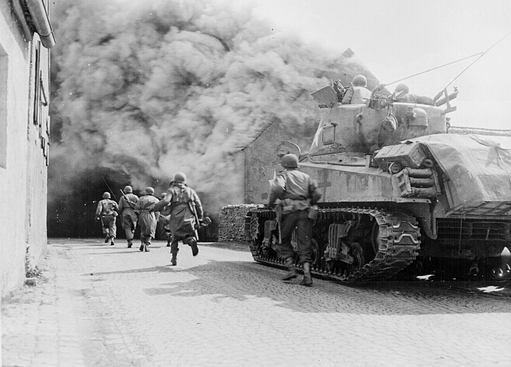
A primary support element to the tank was infantry. It was discovered in WWI that tanks could easily out pace foot born infantry, but when they did they became very vulnerable and while they could penetrate enemy infantry formations, often the enemy would not retreat. Rather they would let the tanks pass, then ambush the lagging soldiers. Having accompanying infantry became even more important in WWII when new arms developments gave infantry the ability to kill tanks very efficiently. Early in the war infantry units carried large caliber anti-tank rifles. These were soon supplemented with close range mines, Molotov cocktails, and grenade bundles. Soon the infantry were given ranged rocket propelled weapons like the American Bazooka and German Panzerfaust that utilized powerful HEAT warheads. These allowed a single basic foot soldier to knock out a mighty tank at range. By the end of WWII an infantry escort for tanks was a necessity in nearly all combat environments because of these advances in infantry anti-tank weapons.
Another important counter to infantry was artillery. When properly utilized it could shock enemy formations who would be extremely vulnerable to a lightening quick tank attack. Cooperation between front line units and artillery units was improved with radio communication, and by the end of the war, large pre-planned bombardments had given way to pin-point barrages that only fired where and when needed. British and American armies were probably the best at this type of artillery fire.
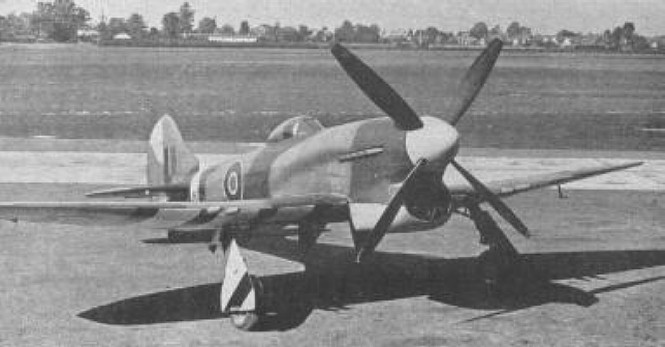
A final arm that closely supported the tanks were aircraft. Early in the war German Stuka dive bombers provided close support to advancing Panzer formations. Later as American and British armies advanced through France and Germany, a path of destruction was opened in front of them by huge air formations dedicated to close support. Rocket firing Typhoons became notoriously effective tanks killers.
When all of these elements came together to support tanks during an offensive, their chance of success was greatly increased. |