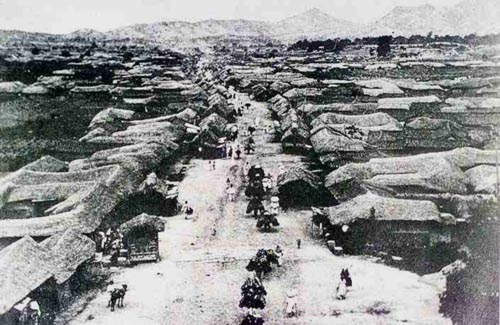
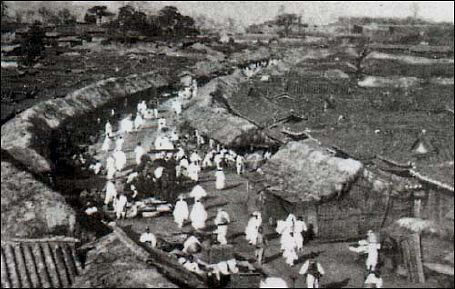
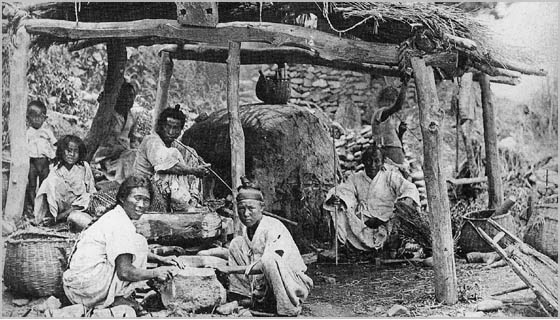
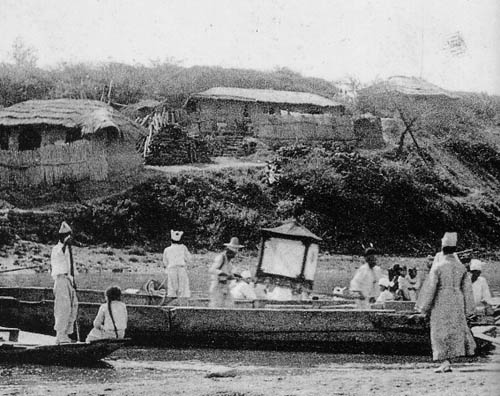
Korean Peninsula at the end of 19th century - Joseon dynasty (before 1910)
|
|
|
|
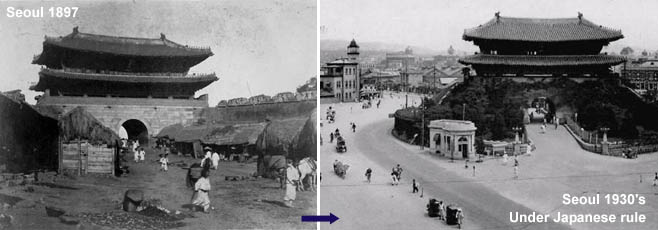
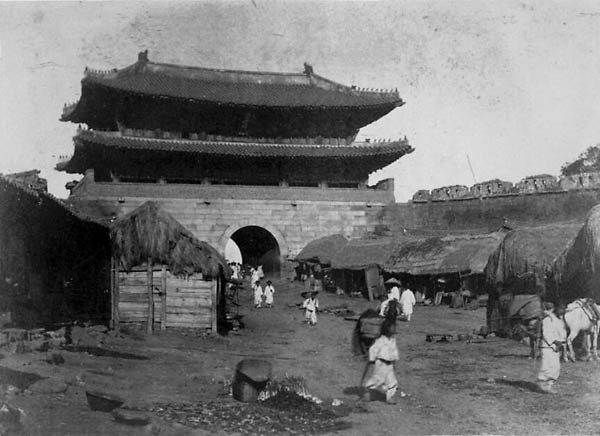
Namdaemun, Seoul 1897 |
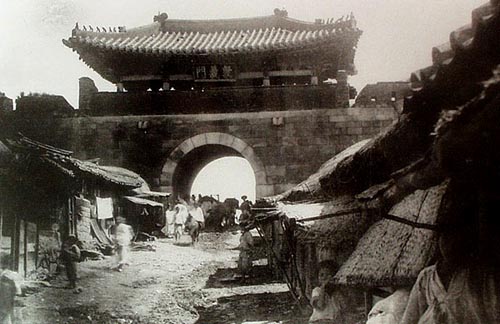
West gate 1896 |
|
|
|
|
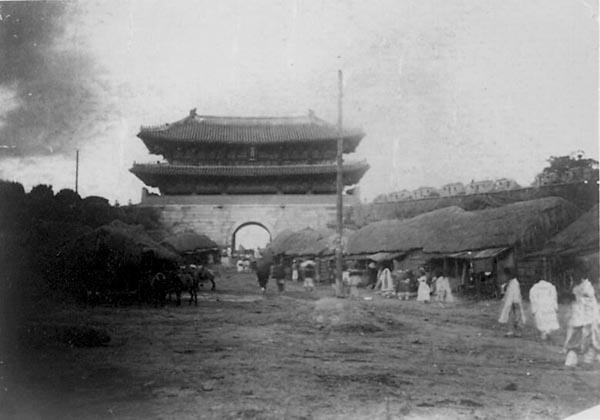
Namdaemun (South Gate) Avenue 1888 |
|
|
|
Circa 1888, downtown of Seoul |
|
|
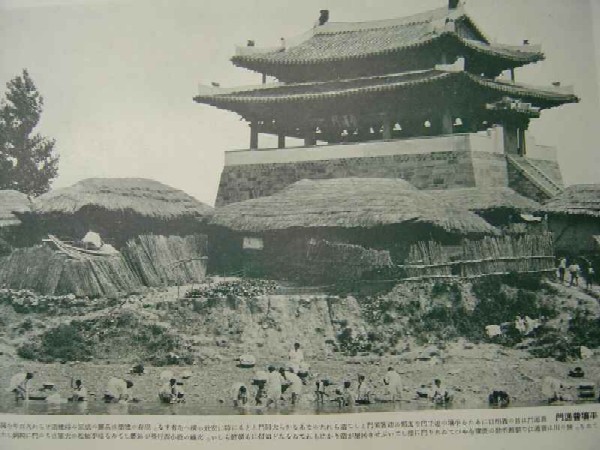
|
|
Wedding in Pyongyang
|
Pyongyang
|
Korean Peninsula under Japanese rule (1910-1945)
|
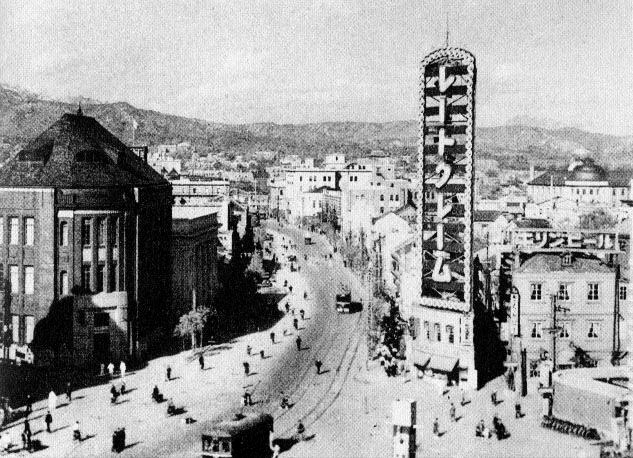
|
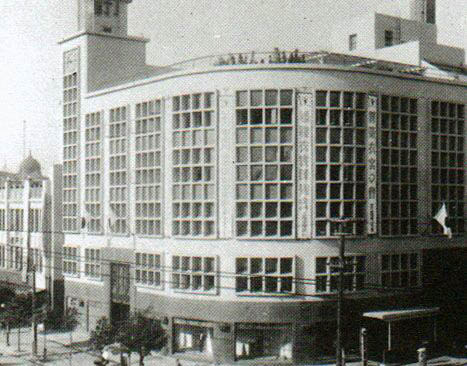
|
|
Namdaemun (South Gate) Avenue 1936 |
Department store 1937 |
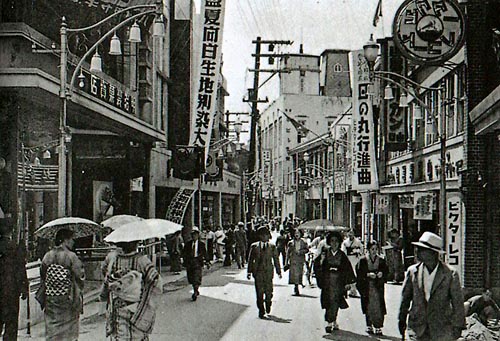
|
|
|
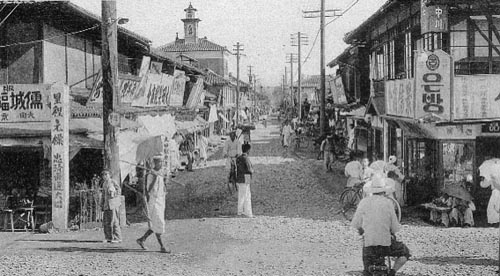
Shopping area in Seoul |
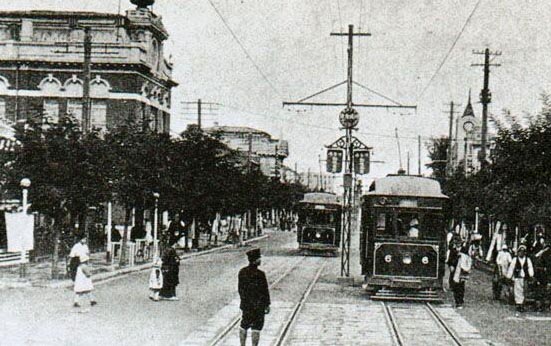
Trams (
streetcars
) in
Pyongyang
|
|
|
|
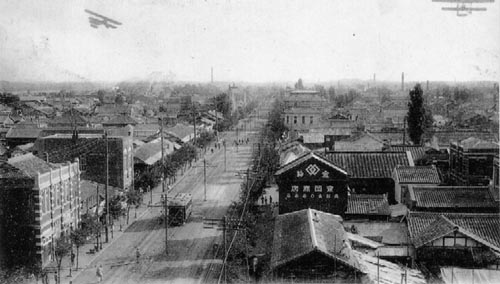
Inchon city |
Daejeon city |
|
|
|
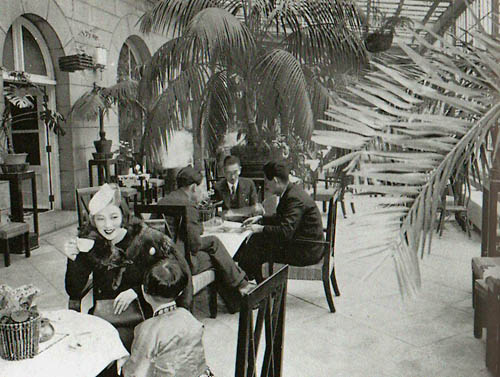
Sunroom in Choson Hotel, Seoul 1940
|
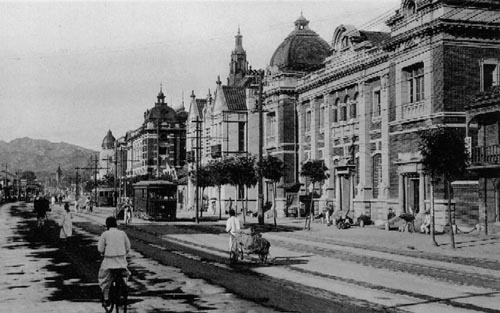
A Street near the South Gate |
|
|
|
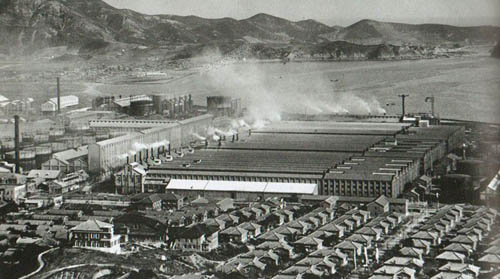
Industrial district in Hamhung city of North Korea 1942 |
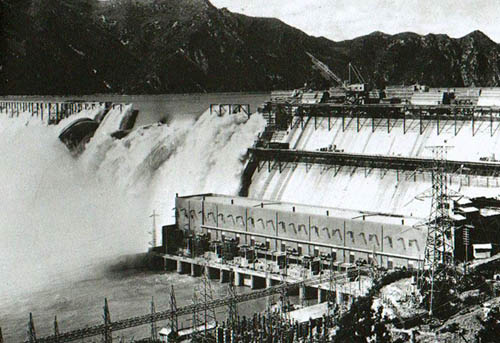
Dam across Amnok River, Pyongan-pukto, North Korea 1944 |
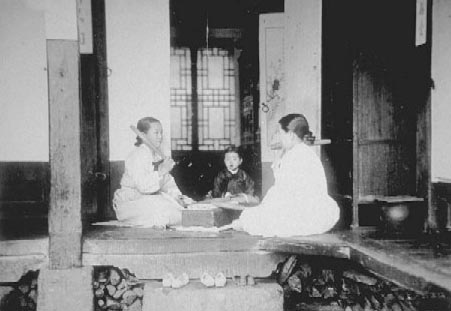
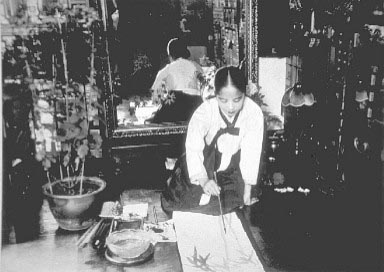
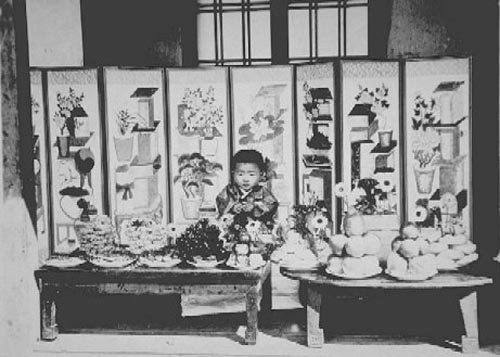
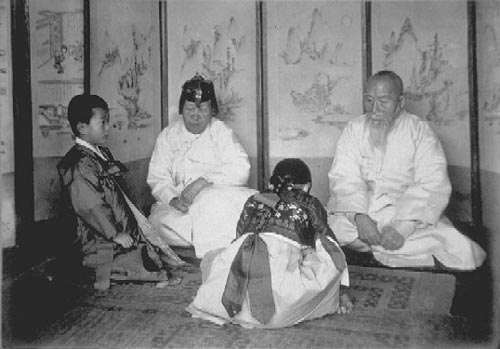
Korean People's life 1920's-1930's
|
|
|
|
|
Photo: Murayama Chijun (Japanese); his collection is in Keio Univ, Japan
http://www.flet.keio.ac.jp/~shnomura/mura/index_kr.htm |
|
Area |
Period |
Annual population growth rate |
|
Korea (Joseon dynasty) |
1636-1904 |
0.508% *1 |
|
Korea (after annexation) |
1910-1940 |
2.09% |
|
Japan |
1910-1942 |
1.24% |
|
Taiwan (under Japanese rule) |
1905-1943 |
1.85% |
|
Whole Asia |
1900-1950 |
0.84%
|
|
World |
1900-1950 |
0.85% |
▪ references:
*1 Joseon Wangjo Sillok; 1,521,165(1636) - 5,928,802 (1904) simple net increment.
others
Textbook for teachers 1989; The Korean Ministry of Education and Human Resources Development /
"21st century Japanophile (pro-Japan) problem" 2003
|
Governor-General of Korea: investment amount for railways |
|
1913 |
8,662,000 yen |
|
1915 |
8,004,000 yen |
|
1920 |
16,329,000 yen |
|
1925 |
12,018,000 yen |
|
1929 |
23,379,000 yen |
|
1913-29 |
257,048,000 yen |
▪ references:
"Korea railways" 1931, Railway
Bureau of Governor-General of Korea
*The total operating kilometers in Korean peninsula reached
6,632km, employees 100,500 in 1945
|
Japan's fiscal burdens to Korean peninsula
|
|
Year |
Government
bonds
/
aids from Japan
|
Revenue from Korean people
|
|
1911 |
22,350,000 yen |
13,300,000 yen |
|
1912 |
27,250,000 yen |
14,680,000 yen |
|
1913 |
21,100,000 yen |
15,620,000 yen |
|
1914 |
16,640,000 yen |
18,540,000 yen |
▪ references:
"Japan-Korea annexation: The truth of the 36 years" Choi Kiho, guest professor of Kaya University, 2004
* 1/3 of the governmental revenue of
Governor-General of Korea was from Japan
*** This site is link free ***
Korea under Japanese rule was the period when Korea was a part of the Japanese Empire from 1910 to 1945. Japan's involvement began with the 1876 Treaty of Ganghwa during the Joseon Dynasty of Korea and increased with the subsequent assassination of Empress Myeongseong at the hands of Japanese agents in 1895. It culminated with the 1905 Eulsa Treaty and the 1910 Annexation Treaty, both of which were eventually declared "null and void" by both Japan and South Korea in 1965. In this period, although Japan built modern road and communications networks, life for ordinary Koreans was harsh.Japanese control of Korea ended with the surrender of Japan to the Allied forces in 1945 at the end of World War II. The Korean Peninsula was subsequently divided into North and South Koreas. The legacy of the occupation remains in continuing disputes between Japan and the two Koreas.
Korean peninsula before Japanese rule was Joseon dynasty, seoul of Korea was still poor town, Japanese rule means annexation, Korean peninsula before Japanese rule was Joseon dynasty, seoul of Korea was still poor town, Japanese rule means annexation, Korean peninsula before Japanese rule was Joseon dynasty, seoul of Korea was still poor town, Japanese rule means annexation, Korean peninsula before Japanese rule was Joseon dynasty, seoul of Korea was still poor town, Japanese rule means annexation, Korean peninsula before Japanese rule was Joseon dynasty, seoul of Korea was still poor town, Japanese rule means annexation, Korean peninsula before Japanese rule was Joseon dynasty, seoul of Korea was still poor town, Japanese rule means annexation, Korean peninsula before Japanese rule was Joseon dynasty, seoul of Korea was still poor town, Japanese rule means annexation, Korean peninsula before Japanese rule was Joseon dynasty, seoul of Korea was still poor town, Japanese rule means annexation, Korean peninsula before Japanese rule was Joseon dynasty, seoul of Korea was still poor town, Japanese rule means annexation, Korean peninsula before Japanese rule was Joseon dynasty, seoul of Korea was still poor town, Japanese rule means annexation, Korean peninsula before Japanese rule was Joseon dynasty, seoul of Korea was still poor town, Japanese rule means annexation, Korean peninsula before Japanese rule was Joseon dynasty, seoul of Korea was still poor town, Japanese rule means annexation,