 |
|
|
|
|
|
|
|
|
|
|
|
|
|
|
|
|
|
Cellular Reproduction |
|
|
|
Meiosis is a specialized type of cell divison that occurs in the formation of gametes such as egg and sperm. Although meiosis appears much more complicated than mitosis, it is really just two divisions in sequence, each one of which has strong similarities to mitosis. The illustrations used in the discussion which follows were modified from Campbell, Biology, 1996.
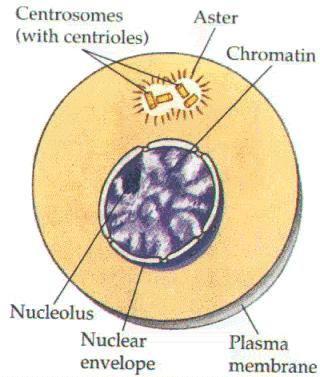
Interphase in meiosis is identical to interphase in mitosis and there is no way, by simply observing the cell, to determine what type of division the cell will undergo when it does divide. Meiotic division will only occur in cells associated with male or female sex organs. |
|
|
 |
|
|
|
|
|
|
 |
|
|
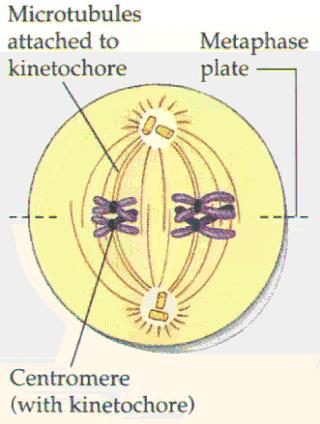
Here is where the critical difference occurs between Metaphase I in meiosis and metaphase in mitosis. In the latter, all the chromosomes line up on the metaphase plate in no particular order. In Metaphase I, the chromosome pairs are aligned on either side of the metaphase plate. It is during this alignment that chromatid arms may overlap and temporarily fuse chiasmata, resulting in crossovers. |
|
|
|
|
|
|
 |
|
|
|
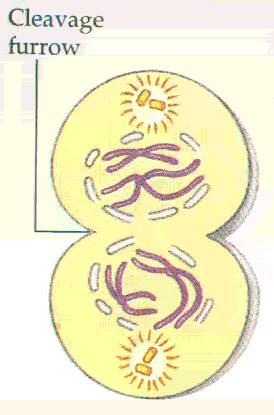
A cleavage furrow typically forms at this point, followed by cytokinesis, but the nuclear membrane (envelope ) usually is not reformed and the chromosomes do not disappear. At the end of Telophase I, each daughter cell has a single set of chromosomes, half the total number in the original cell where the chromosomes were present in pairs. While the original cell was diploid, the daughter cells are now haploid. This is why Meiosis I is often called reduction division. |
|
|
|
|
|
more info provided here |
|
|
|