
Style
Visual learners in general prefer seeing - videos, textbooks, diagrams, etc. The first thing you may notice when working with these learners is the voluntary practice of note taking. Also, they have excellent textual memories, meaning they can often accurately recite what they just read. This also helps with spelling and punctuation, because visual-verbal learners remember what a word looks like from their texts.
Keep in mind that what helps visual/non-verbal learners also often helps these learners.
In the beginning of the session, ask them to write down what they would like to discuss and any questions they may have about the material. This will help them get their ideas out of mind and solidly on paper.
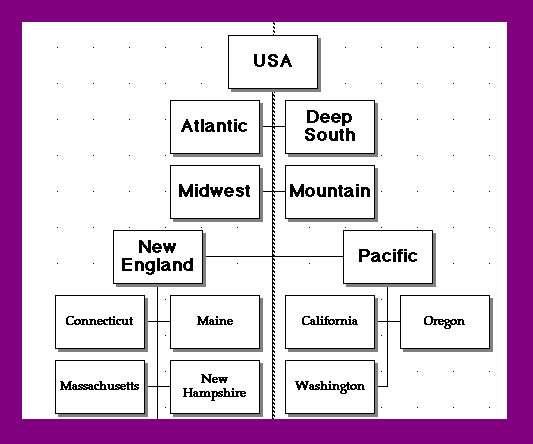
Create visual representation whenever possible - draw the structure of an essay using boxes, for example, or use charts showing characters and information from a novel. You can also encourage the use of computer programs like Microsoft Excel for this purpose.
Refer the student to extra reading material, such as historical fiction that focuses on a history topic they are studying. Not only will they learn more, the books may also peak a higher interest or passion for the subject.
Visual/verbal learners love to read. Urge them to browse through libraries and bookstores to find intriguing books that they can read just for fun.
As a result of a love of books, many visual/verbal learners enjoy writing on their own. Encourage this! In fact, you can even turn an assignment into an opportunity to tell a story - have them look at the subject as a character or plot that they can develop.