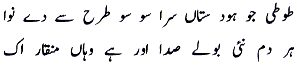
(When the bird-nightingale starts its
melodious songs, it raises hundreds of notes,
It splashes a new tune every moment
but it comes from the same throat,
the same beak.)
The Sufis not only preached it but practised it and helped in pulling down the barriers between various religious groups. Hazrat Shah Niaz (RH) thus declared the essential unity of all religions:
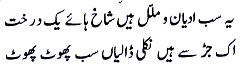 (All these religions and faiths are
The difference in the religious accents of different faiths was thus explained by him:
(When the bird-nightingale starts its
melodious songs, it raises hundreds of notes,
It splashes a new tune every moment
but it comes from the same throat,
the same beak.)
Their shared a passion for films brought them back together again a year ago, when Men on the Moon Productions was launched. The duo�s first project, Divine Mystics, another side of Islam � a documentary on Sufism� is being bought by Discovery Channel for broadcast in Asia and the SAARC nations.
In the present international scenario, this documentary is an attempt to show an aspect of Islam that �many around the world don�t know exists�. It is an attempt to explain, in very simple words, Sufi history, methodology, ceremonies and festivals, especially those practised in India. Featuring interviews of Sufi followers from all walks of life, it explores the core beliefs of the sect.
Set against the �amazing background� of the Bareilly Khankah or the abode of the Sufi Saint Hazrat Shah Hasnain Mian Niyazia, the spiritual head of the Niyazia Silsila, the documentary brings to life the various rituals and festivals that Sufis practise. The film starts with a historical background of the Sufi movement in India and moves on to present-day saints and teachers. All through, the differences and similarities with traditional Islam are maintained.
Extensively shot in Bareilly, Ajmer and Delhi, it features the famous dargahs of the great Sufi teachers who are worshipped and venerated to this day. �What is the Peer Mureed relationship? What is Fana? What makes a man a saint?� are some of the questions the film attempts to answer, accompanied by a live qawwali soundtrack. Featured and explained for the �first time� will be ceremonies like the Chiragaan or the oil-lamp ceremony, the Grand Urs and the Sama.