|
In the 1880s the motor torpedo boat began to show its face on the water and naval manoeuvres of the 1890s showed that most nations were considering the use of these fast and small vessels for lightning raids on enemy docks and harbours. In order to counter this threat small fast-firing guns in large numbers were wanted. In 1880 Hotchkiss and Nordenfelt have produced their quick-firing 3pdr and 6pdr guns which have been adopted by many navies, and in the mid-1880s these began to be installed in great numbers both in Britain and elsewhere, for defence against torpedo boats. The 3pdr was a little light for the task (and never actually mounted on NZ shores), and before long was relegated to a practice roll, while the British defences were strengthened by adopting a 3-inch 12pdr. The deployment of these guns were backed up by searchlights, used to illuminate areas of sea and termed "Fighting Lights", and the impressive volume of fire which these light guns could deliver boded ill for the "mosquito boats".
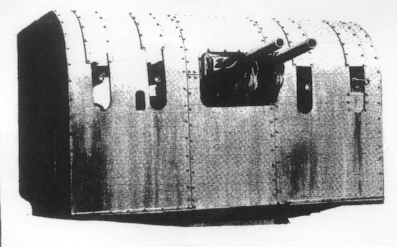
The pinnacle of the anti-torpedo QF gun was the British Twin 6-pounder. What these guns lacked in shell weight, they made up in volume of fire. Two guns were mounted in the turret so that the gun captain could deflect them independently of the sights in order to compensate for wind, incorrect range finding or target movement. Firing at 120 rounds a minute it was a remarkable torpedo boat which survived an encounter with the twin-six. |
|