|
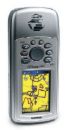
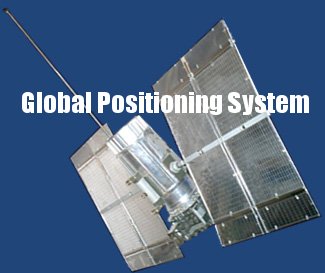
A GPS receiver calculates its position by measuring the distance between itself and three or more GPS satellites. Measuring the time delay between transmission and reception of each GPS microwave signal gives the distance to each satellite, since the signal travels at a known speed. These signals also carry information about the satellites' location and general system health. By determining the position of, and distance to, at least three satellites, the receiver can compute its position using trilateration. Receivers typically do not have perfectly accurate clocks and therefore track one or more additional satellites, using their atomic clocks to correct the receiver's own clock error. |
|
GPS answers 5 questions simultaneously:
|