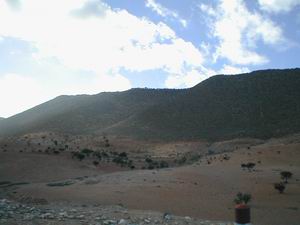
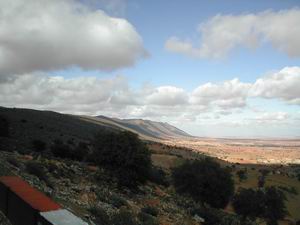
The original mandate of this mission is to hold a referendum so that the indigenous people of the land could decide their fate. In order to do that, one Identification Commission (IDC) was composed to identify and determine the eligiblity of the voters from numerous Bedouin tribes who had been living on this land. The main task of the of the military component is to monitor the cease fire agreement that was agreed upon by both the groups of the conflict. The two parties of the military conflict are Royal Moroccan Army (RMA) and Frente Polisario(FPOL). FPOL is backed, armed and housed mainly by Algeria. I spent my tour of duty in the desert in a teamsite which was located in the FPOL side. The FPOL soldiers are not regular in nature and poorly armed in comparison to the RMA. Sometimes they lack adequate logistic support to sustain themselves even on ground. While the RMA is a regular army which operates along a massive sand wall (BERM) which almost halved the western sahara from north to south. This is a unique feature in the Western sahara and is approximately 2400 km long. This BERM is the line of division between the two forces. To me, this is an impregnable feature and heavily defended by RMA ( I heard that the technical assistance to prepare the sand wall was rendered by Israel; a similar copy of defensive line across Suez canal - Berleve line). The better half of the Sahara falls on to the side occupied by Morocco which includes the long shore line and few phosphate mines.
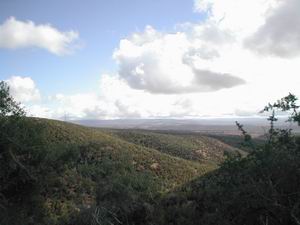
The military component is deployed over the whole area in the North and South. There are total of 9 Teamsites ( as we call it). These are self contained locations which accommodates 10-20 UNMOs in general. There are two sector Headquarters located north and south and the Forces Headquarters is located in the capital Laayoune. Since long both the parties accepted truce in 1991, there had not been any major violation of military agreement.The military situation is calm and quiet always. Mostly as UNMOs we dint have any major crisis to handle except travelling along a wide and desolate but beautiful landscape.
When I joined this mission, I was assigned to a teamsite located near the Algerian border. That was the farthest in Northern sector.We were supported by Helicopter twice a week which used to deliver the rations, mails and takes us to the vacations. Life was difficult. We had to collect the water from a well and it was salty and dirty. In summer I experienced the highest temparature of 64 degrees and the sandstorms with a wind speed of 15 m/s. But the most difficult part was for me is Loneliness.
To my understanding, it is over ten years since the mission is operating but still failing to hold the promised referendum. Some blames the Moroccan authority not to be fully unerstanding and negotiating with the SADR( the exile FPOL authority) in Algeria. Though they are the stronger part of the conflict and SADR blames often for the procrastination of the issue. Lately there was a proposal offered by the special envoy to declare W.Sahara as a confederation with Morocco and it was vehemently opposed by SADR. I saw over a period of time the disillusion of the FPOL soldiers as their families are living in the refugee camps inside Algeria. Now it is the second generation of Saharawis growing up in the refugee camps. It seems that most of us have forgotten the humanitarian issue of this conflict except restricting us in occasioanl visits through the delegations. Many Saharawis are living in Laayoune as they defected their side for a better future. But those who could not afford doing this had been separated by a sea of sands; separated from their promised land and hopes till now. |