-Imagism was a movement in the early 20th century that changed Anglo-American and Modernist poetry by rejecting romantic and sentimental Victorian traditions in favor of using sharp, clear language.
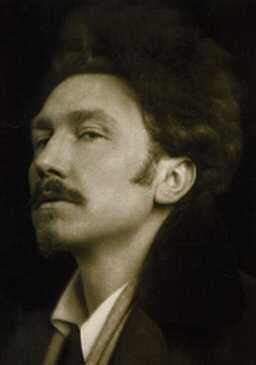
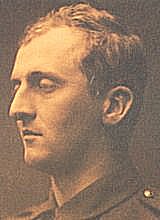
-Ezra Pound and T.E. Hulme were two of the primary movers of Imagism.
-The origins of Imagism were found in two poems by Hulme, Autumn and A City Sunset, which were published in 1909 by the Poet's Club in London.
-Hulme had set up the club to discuss his theories of poetry.
-Hulme met F.S. Flint, a critic and poet who was highly critical of the Poet's Club and its publications, but the two men became friends and regularly met to discuss plans to reform contemporary through free verse, the tanka and haiku and the removal of all unecessary verbiage from poems.
-In April 1909, American poet Ezra Pound was introduced to this group and found out their ideas were similar to his own.
-Pound was studying Romantic literature and that led him to an admiration for the condensed, direct expression that he found in the writings of Dante and Arnaut Daniel.
-As a result of his interest in Imagism and his friendship with Laurence Binyon, Pound became interested in Japanese art and developed an interest in studying Japanese verse forms.
-Women were also invited to study Imagism, one of them being Hilda Dolittle, Pound's ex-fiancee.
-When Harriet Munroe started her Poetry magazine in 1911, she asked Pound to act as foreign editor.
In October 1912, Pound published three poems by Hilda Dolittle and her husband Richard Aldington.
-Other works were published by the Imagists, such as Pound's book Ripostes and other poems by Dolittle called Orchard and Epigram; the poems were published in the January 1913 issue of Poetry.
(-Sources: www.answers.com/topic/imagism and http:// www.faculty.gvsu.edu/websterm/imagism.htm)