 |
|
 |
| glossary of philippine english and spanish |
 |
| (1) beware of names ending in 'T' - remember the tagalog words 'maalat' (salty) and 'kawit' (hook). maalat is presently called malate (a district in manila), while the town named kawit still survives today, it is from that town where present-day province of cavite got its name. why add an 'e' at the end? historians are quick to explain that the spaniards simply corrupted such names but provides little clue as to how or why they had to? imagine yourself as the altar boy of one friar in a 17th century philippine pueblo and the friar says to you 'i am going to kawit'; while you ask 'what father? did you say kawi?; and the friar reiterates " ! no ! kawiT ! kawiT ! kawiT ! " which arrives in your ear as 'kawite' - and so goes in jest, to make fun of the poor friar trying to learn the tagalog language, everyone refers to the town as kawite = cavite. same is true for maalat = malate. (2) names of saints - if you encounter the name of a saint in philippine studies, research further if it refers to a place name, or a church's name, or a congregation's name. it will further point you to where you should go next to deepen your knowlege and appreciation of things filipino. |
| some tips |
| divisoria - an enigmatic place known by every filipino (even if he hasnt even gone there yet) but cannot be found listed in any map of the philippines. clue: binondo, manila is where it is supposed to be. but even on a local map, divisoria is not listed as such. but if you find it listed, you will likely encounter - together with it: divisoria mall, divisoria paciteria, divisoria hotel, etc. so that isnt much help at all pinpointing where divisoria is. divisoria is a cluster of streets in binondo, manila where the center of the philippine economy is located. all trade goods land here, whether local or foreign. from here, everything is divided and distributed to various parts of the country, all 7,000 islands of it. it is a good shopping destination - but have a local show you around as this place is chaotic 24-7. it derives its name from the ancient roman place called divisorium - a place where trade goods are divided and then distributed to various parts of the land. |
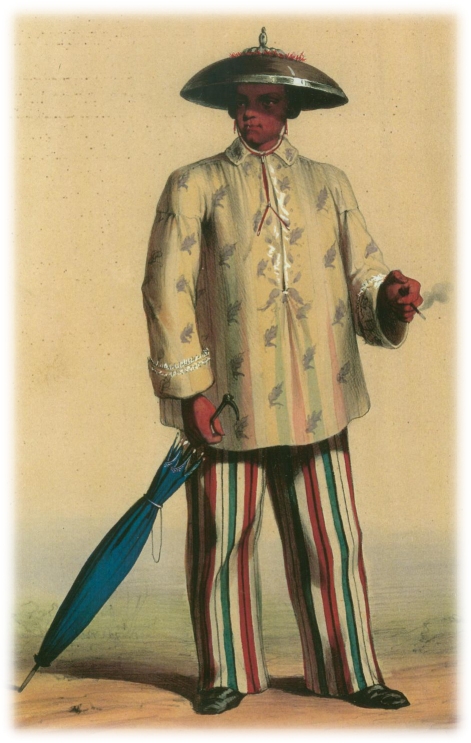
| indio - indian, or native type; as opposed to mestizo ('tisoy') / creole - a combination of foreign and native type. the foreign influence may be chinese (mestizo'ng intsik or 'chinoy' (from 'china' combined with the colloquial term for filipino 'pinoy'), or european, most likely spanish. spanish ancestry is further distinguished as whether peninsulare or insulare. peninsulare meaning one who was born in the peninsula of western europe that is spain. insulare (aka creole) meaning one who was born in the islands that is the philippines. it is implied that both peninsulare & insulare come from pure european blood. somehow in the translation process, insulare came to mean also mestizos, to distinguish it from peninsulares which really meant pure european origins. indio bravo is a coined term by national hero jose rizal to refer to patriotic filipinos - to remove the bad meaning commonly attached to the term indio. illustrado is a 19th century term applied to educated indios or mestizos, who generally were sent abroad to study - in western europe, particularly in spain, some may have gone to the usa. |
| manila / maynila (french: manille) - the prototype of a place named after plants, manila got its name from a rubber tree (a member of the family of ficuses), that grew in abundance during pre-legazpi times in the kingdom of soliman, lakandula, & matanda called may nilad. nilad is the local term for the particular plant that grew in abundnce. other places named after plants are: sampaloc (tamarind), vigan (from bigaa, a plant from the gabi (local term) family), and others. |
| glossary entries |
 |
| (3) binomial nomenclature of everything & anything - some words simply repeat themselves as if saying it once isnt enough, or it seems that saying it once simply misses the point altogether. for example: araw-araw (daily or everyday), gabi-gabi (nightly or every night), tayo-tayo (just us/ourselves), sari-sari (assorted), halu-halo (mixed), taas-taas (very high), lambut-lambot (very soft) - plus about 1,001 more... |