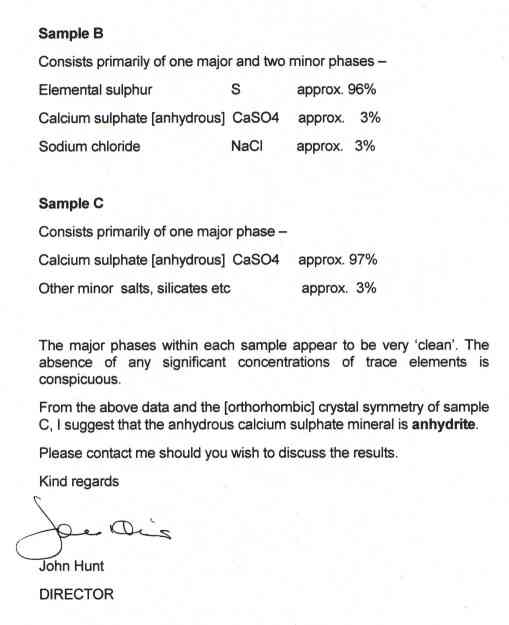
more results in excel format
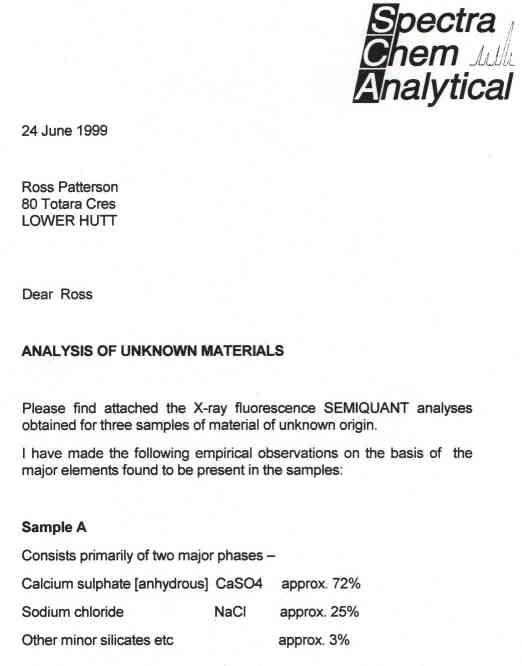
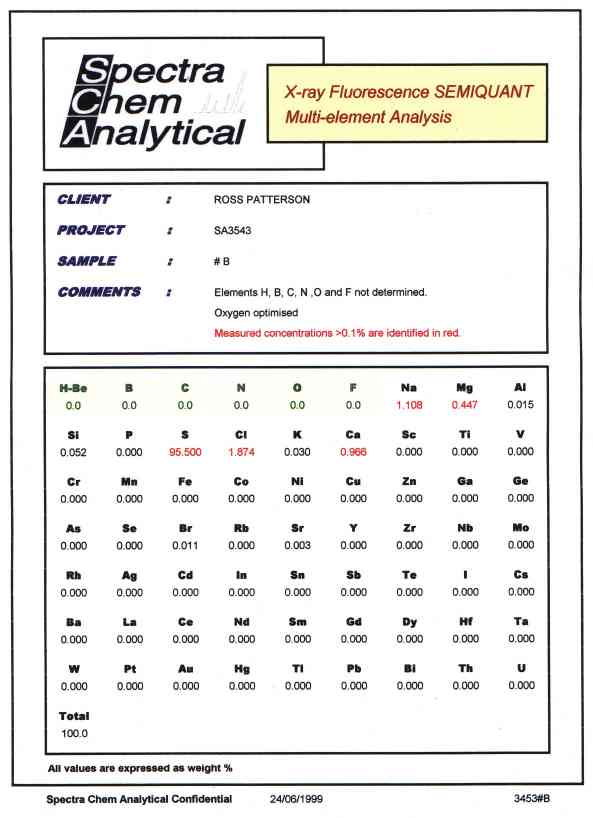
this shows results for Dead sea water, sediments, and a dark layer at Gomorrah.and more results in excel format
Dark rock is from Sodom, dark layer is from Gomorrah, white porous rock is volcanic rock from New Zealand, and yellow deposit is carefully selected sulphur from a volcanic steam vent.
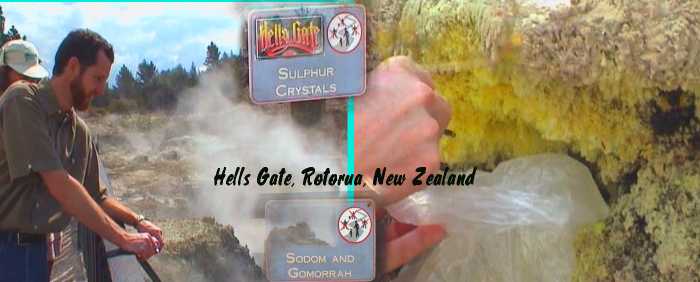
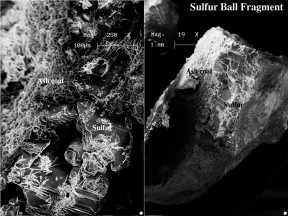
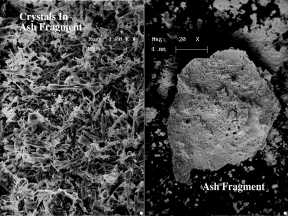
On my way home from Israel, I stayed at Andrews University for a few days with relatives there, and I was introduced to Timothy Standish. My brother knew Timothy's father, and they were aware of Rons work. Timothy offered to look at a sample with the electron microscope, so I left a small sulphur capsule behind. If I had known of this opportunity earlier, I would have dug deep for a good sample, but all I had spare was a small sample I picked up off the ground, where it had been exposed to the weather, and dirt from the streams that run though the ash. Timothy did a good job of looking at the samples, and came to the correct conclusion that there was evidence of water action visible, and that there where carbonates there. He ended with...
CONCLUSION: The results are consistent with these materials coming from precipitation in a drying out lake or sea. The source of these materials is unlikely to be an ancient city destroyed with fire and brimstone.
Unfortunately his conclusion based on one contaminated sample has convinced a few people, and that has resulted in a lack of interest from those who have the skill to check these sites properly.