Used in infusion or tincture, the root raises body temperature and promotes digestion, making it an ideal herb for older folks. It also helps bring down the menses. Use it for colds and flu, to induce a sweat and warm the body. The decoction of the dried root is said to remove the taste for alcohol. Simmer two teaspoons of the root in two cups of water for twenty minutes; take one cup twice a day.
Caution: Do not exceed the indicated amounts, or the heart, blood pressure, and respiration can be affected.
Use the root in salves for skin problems and rheumatic pains. The tincture can be used in doses of ten to thirty drops, four times a day.
Parts Used: Root, essential oil and seeds
Magical Uses: Sprinkle crushed leaves around the 4 corners of a house to ward negativity and purify the home, burn for meditation, protection, divination, exorcism, healing/health and visions. The leaves can be smoked in herbal "tobacco" formulas. (Oil) Use for anointing.
Aromatherapy Uses: Coughs, Colds, Fevers, Flatulence, Indigestion, Skin Care, Circulation. Do not use during pregnancy or if diabetic.
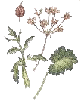
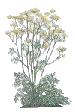
ANISE: (Pimpinella anisum) Also called Aniseed, Anneys. Anise has sweetly, aromatic leaves, rounded at the base and narrower on the stem, with umbels of flowers followed by aromatic fruits. The flowers and leaves are used in fruit salads, the stem and roots in sweet soups. In cooking or infused as a tea, the seeds aid digestion, quell nausea, and ease flatulence and colic. Anise is used in cough mixtures, as it is expectorant and soothes spasms of irritant coughs and bronchial problems. It promotes estrogen production and is used to encourage breast milk, ease childbirth, and stimulate libido. Tiny amounts of the essential oil, produced from the seeds, are added to toothpaste, perfumes and mouthwashes, and are used to mask bitter medicines, but in large amounts Anise is highly toxic. The seeds are carminative (they move gas out of the intestinal tract). Used in tea or as lozenges, they soothe a hard cough. For the tea, steep one teaspoon of the seeds in one cup of boiled water for ten minutes. Take up to one and half cups a day. The seeds can also be tinctured using two ounces of seed per on-half quart of brandy and some lemon peel. Let the mixture sit for twenty days. The dose is one teaspoon as needed. The seeds are made into a liqueur called anisette, which is mixed with hot water as a remedy for bronchitis and asthma. Anise seed tea is sweetened with honey and given to children with lung colds. Epilepsy, colic, and smoker's cough are treated with anise. For colic, simmer one teaspoon of the seed in one-half pint of mild for ten minutes, strain, and take it hot. Oil of anise is a natural insecticide.
Parts Used: Seeds and essential oil
Magical Uses: Anise seeds are an herb of protection said to avert all evil. In ancient Roman times, they were baked into a cake that was served at the end of the wedding feast. Purification, Protection; entices spirits to aid in spells; divination; psychic awareness; youth; In a pillow it wards off nightmares.
Aromatherapy Uses: Muscular aches and pains; Rheumatism; Bronchitis; Colds and coughs; Colic, Cramps, Flatulence; Indigestion.
APPLE: (Malus spp.) Also called Fruit of the Gods, Fruit of the underworld, Silver Branch, The Silver Bough, Tree of Love. A Druid sacred tree. The apple is a symbol of immortality, A branch of the apple which bore buds, flowers and fully ripened fruit (sometimes known as the Silver Bough), was a kind of magical charm which enabled its possessor to enter into the land of the Gods, the underworld, in Celtic Mythology.
Apples clean the liver, cure constipation, and tone the gums. When baked they can be applied as a warm poultice to sore throats and skin inflammations. The cooked apple is especially laxative. The peeled raw apple helps with diarrhea. The cider corrects intestinal flora, reduces stomach acidity, corrects gas, and helps the kidneys; take three or four cups a day.
Apple cider vinegar and water make a rinse to restore hair, scalp and skin; use equal parts of vinegar and water. Blondes should use white vinegar. Apple cider vinegar, water, and honey aid digestion when taken with meals; use two teaspoons of vinegar to a glass of water, add honey to taste. This was one of my great-grandmothers favorite cures for a sore throat.
Parts Used: Whole fruit (cooked or raw, apple cider, apple cider vinegar, and wood
Magical Uses: Wiccan altars are often piled high with apples during Samhain for the apple is considered to be one of the foods of the dead. For this very reason Samhain is sometimes known as "Feast of Apples". Apples are considered symbols of life and immortality.
The apple has long been used in spells of love. The blossoms are added to love sachets, brews and incenses, and they are infused in melted pink wax, then strained out to make candles suitable to burn for attracting love.
Use apple cider in place of blood where it is called for in old recipes.
Apples and apple blossoms are symbolic of love, healing and immortality. Burn the blossoms as incense, wear the perfume, and make them into herb candles for a handfasting rite.
ASAFETIDA: Ferula asafoetida Also called Stinking Gum, Assyfetida, Devils Dung, Food of the Gods The pungent gum is extracted from the living rootstock by notching the plant at soil level. It was a popular Roman condiment. (If you can imagine that!) Research suggests the plant is anticoagulant and lowers blood pressure. Used to treat stomach ailments such as intestinal flu, gas, and bloating. Add a pinch to beans as they cook.
The herb is good in cases of Candida albicans. Has been used for asthma, bronchitis, and whooping cough because of it's antispasmodic properties and is a good herb for croup and colic in babies (newborns should get it through their mother's milk). Another method is to give it to infants via the rectum - make an emulsion with four parts asafetida to one hundred parts water and insert. It has been used as a sedative for hysteria and convulsion.
Please Note: This herb tastes awful and is perhaps best taken in capsule form, one hundred milligrams to one gram being the dose.
Parts Used: Resin of the root
Magical Uses: Use for prophetic dreams, exorcism, and protection. Worn in a bag around the neck, asafetida dispels diseases and evils of all kinds. (It literally repels evil spirits!) Add a clove of garlic to enhance the effect. Asafetida is a classic for exorcism and purification rites. Use it to smudge a ritual space with smoke. Unfortunately, though asafetida is powerful, it also has a horrible odor. Just the slightest whiff of the fragrance has been known to cause vomiting. Use with Care!
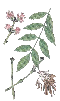
ASH TREE: (Fraxinus americana or excelsior) Also called Nion, Common Ash, Weeping Ash. A Druid sacred tree. This spring-flowering deciduous tree has smooth gray bark and showy, scented flowers, although the scent is unpleasant to some. The bark of the ash can be used as a substitute for quinine in intermittent fevers. It is reputed to clear obstructions from the spleen and liver. Simmer two tablespoons of bark for twenty minutes in one cup water; take a quarter-cup four times a day. The leaves are laxative and can be used as a substitute for senna (tree leaves are always gathered beforemidsummer). Steep two tablespoons of the leaf in one cup of water for twenty minutes; take one quarter cup four times a day.
Parts Used: Bark and Leaf
Magical Uses: Ash is the sacred world tree of the Teutons, known as Yggdrasil. Ash wood makes a traditional Yule log. Druid wands were often made of ash and carved with decorations. Ash wands are good for healing, general and solar magic. Put fresh ash leaves under your pillow to stimulate psychic dreams and prosperity. An herb of the sun, ash brings light into the hearth at the winter solstice.