| Dresses and outfits from 2005-2009 |
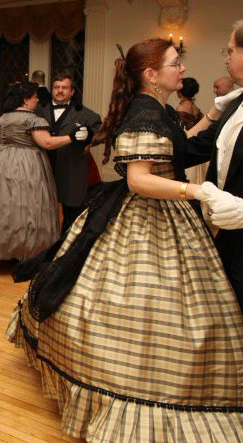 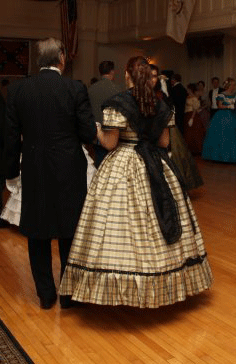 |
A yellow and black silk plaid Civil War-era gown. The ball-frinhge and pleated ruffle skirt trim is inspired by a period fashion plate. The bodice is Truly Victorian and fits better than any of my other 1860s bodices. There are sheer white undersleeves. The black silk fichu is the 1864 Eugenie Empress model; I drafted the pattern following the sketches in Godey's magazine, a challenging project when there is only one (or no) dimension given per piece! The fichu is trimmed with lace appliques and a border of wide black lace. There is another view of the dress with a sheer white bertha and no fichu to be added soon (the really good pictures of the fichu version were on the photo card that had a meltdown, wouldn't you know).
|
|
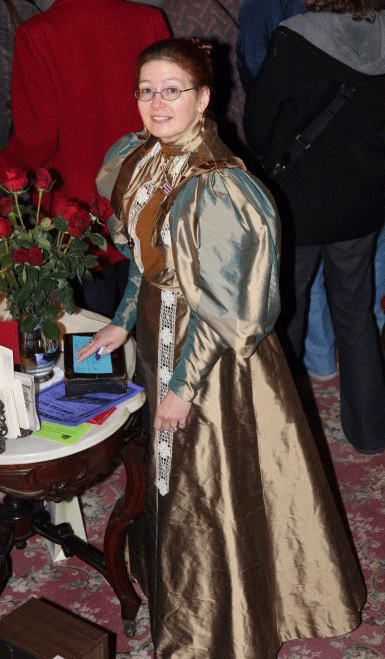 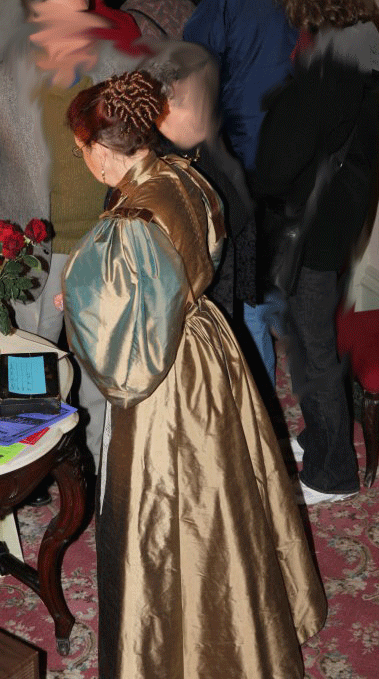 |
A mid-1890s (before the 1896 sleeve collapse) afternoon dress with huge leg-o-mutton sleeves. The gown is of changeable silk taffeta in a cafe au lait color; the sleeves are a similar color but with a wide blue stripe as well. It's a very subtle effect. The skirt (Folkwear's walking skirt, a well-drafted pattern) and bodice (the "Frankenpattern" design developed by my friend) are trimmed with antique lace over brown velvet ribbon, and the shoulders have brown velvet bows. |
   |
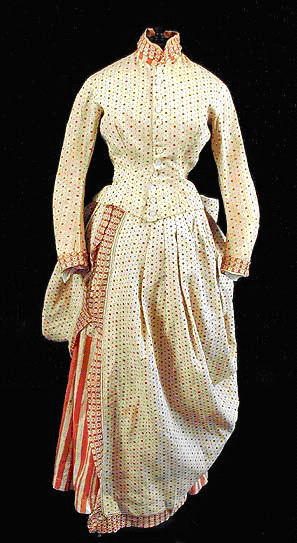 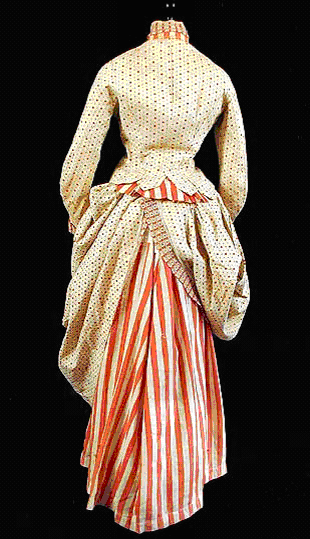 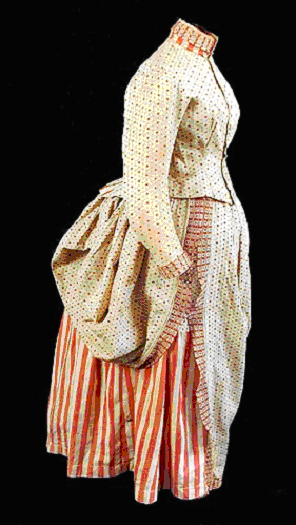 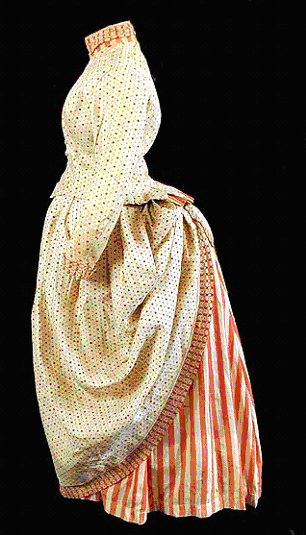 |
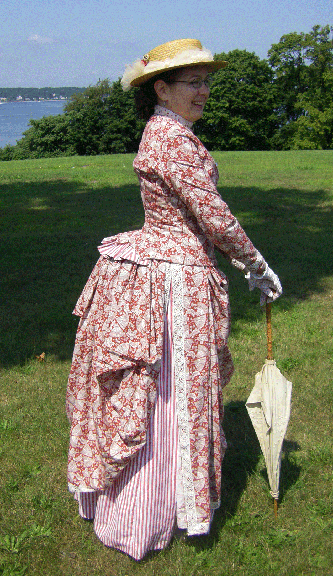
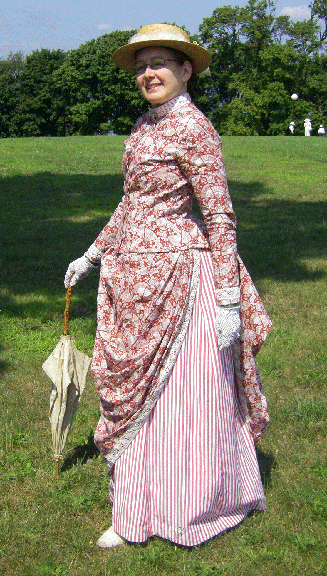
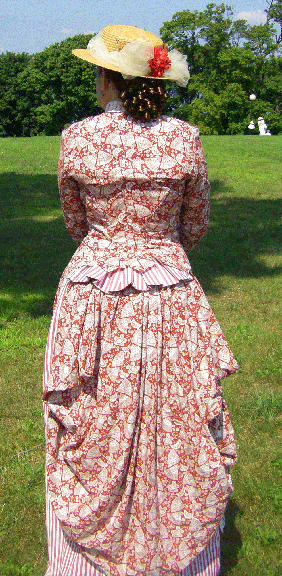
My seaside dress for the 2008 Newport Vintage Dance Week excursion, using a fan-printed cotton (I'd been holding on to it for years, since I got all of it from a Rag Shop sale bin), antique cotton lace, and striped cotton. It's based on this wonderful original (cream with red). All these are Truly Victorian patterns -- four in all. |
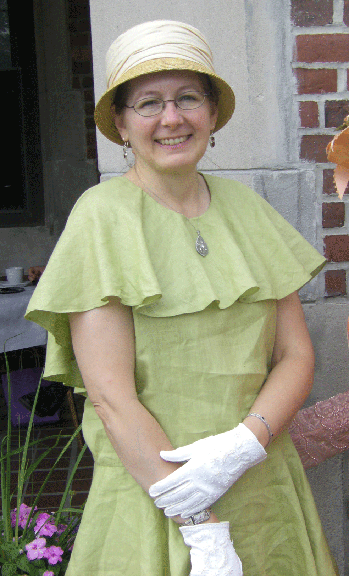 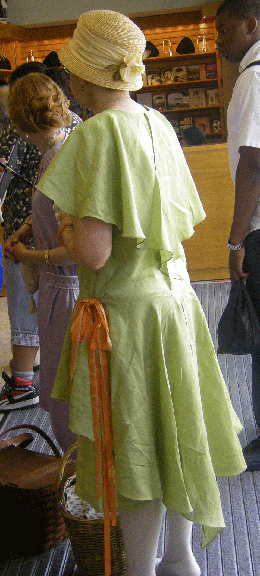 |
A green linen 1920s day dress from Past Patterns. Frumpy was the look of the '20s.
|
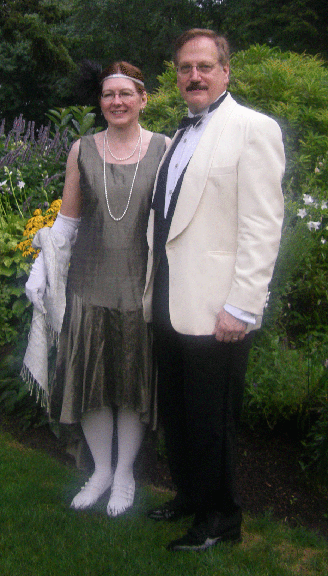 |
Past Patterns 1926 evening gown, executed in a green silk. So easy to wear and to dance in! Also, once I redrafted the pattern top (there are only four main pieces) so the straps would stay up, it goes together in just a few hours.
|
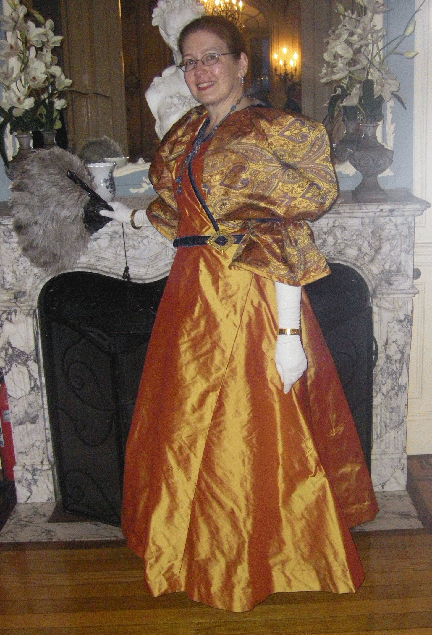 |
More Truly Victorian patterns in shot gold-red taffeta and a fabulous silk paisley -- the whole yard, 54" wide, went into these sleeves. Trim is deep blue velvet and a vintage buckle at the waist.
|
  |
A hoop dress (Phase 1) made for the 2006 Scranton Civil War Ball. The material is a fabulous crisp silk taffeta, plaid and kind of changeable, that was a present from my DH for Christmas 2004; I could tell he wanted me to finally do something with it. So although I didn't have enough time to really finish this dress properly (the sash was the quickest way I oculd think of to trim it), here it is (the left-hand photo shows its original incarnation). The skirt is three panels (the fabric's 52" wide!) pleated in the front and gauged in the back; I plan to move around most of the pleats and add trim near the bottom. The bodice is Period Impressions' ball gown bodice; it needs some additional tweaking to the fit and to be cut lower in the neckline. It will get some kind of bertha/bretelle ornamentation, too, eventually. When's that next CW ball?
Update (right-hand, very fuzzy photo): Following the advice of a knowledgeable friend, I have since made the sleeves a double flounce, added lace to the sleeve hems, and put on a bias-cut three-tier panel of trim along the skirt hem. I also re-set the waistband so the skirt hangs much better. I'm not sure why the sash has switched shoulders.
|
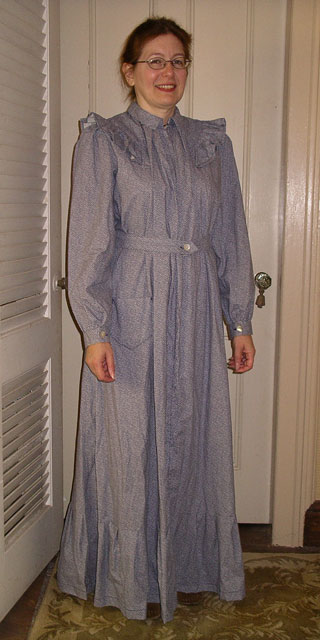 |
I'd written before that "Coming soon: An aesthetic wrapper...." Well, the wrapper -- Wisc. Historical Society's pattern, available in a pattern Size 10 only -- has proven, um, a challenge to redraft in my size. However, the Folkwear "calico day dress" wrapper turned out fine, in just a couple of stress-free days. This is in a nice period-looking blue print cotton from the WalMart $2 table, with mother of pearl buttons. The snug-fitting lining keeps you in place when you're not wearing a corset. A perfect "after-ball" outfit, |
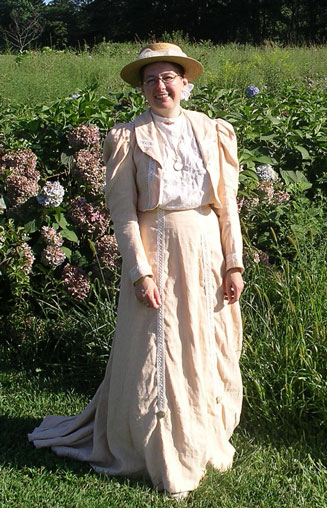 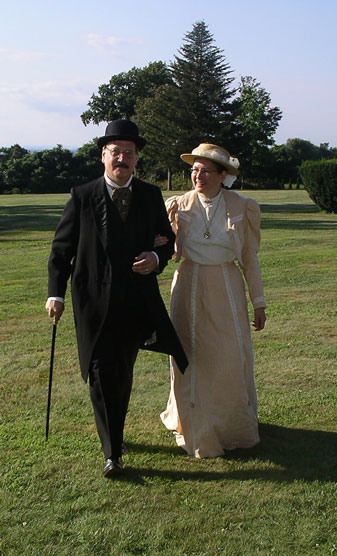 |
An original 1890s skirt pattern (from the Vintage Pattern Library) with a big semi-circular gore in the back, and the TV eton jacket with the shawl collar option, in a nice peach linen with a cream stripe. I found a woven braid in cream that was the perfect accent. . |
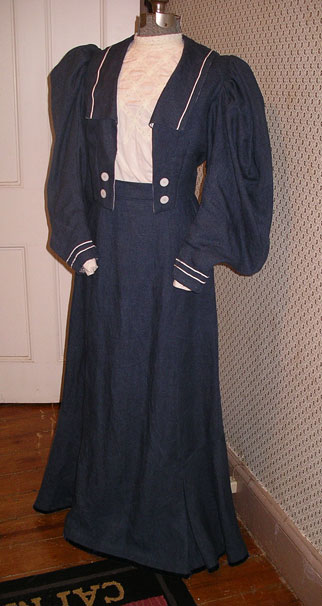 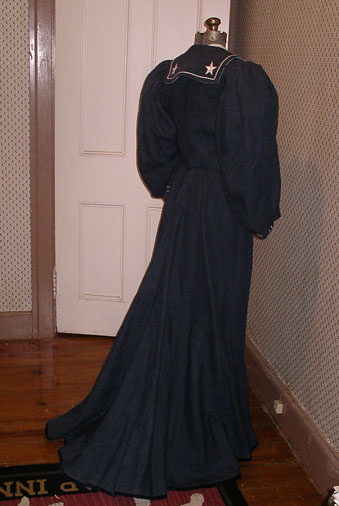 |
Another 1890s walking suit: the TV flare skirt and Eton jacket with the sailor collar and the largest leg-o-muttion sleeves from the TV '90s sleeve asssortment. It was a challenge to pleat all that fabric into the armscyes, but somehow I managed, especially since it's made of really heavy navy linen. There is soutache trim on the collar and sleeves and there are appliqued stars on the square collar. The jacket is economically lined wuth blue and white striped cotton that used to be two of my DH's shirts. The skirt has two kick pleats in the front, and it's trained slightly in the back. The hem is faced in velvet ribbon. |
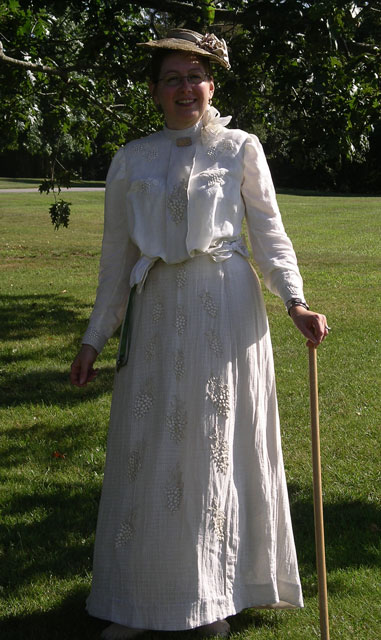 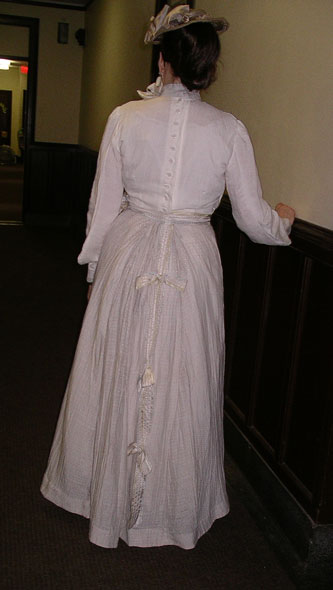 |
This 1890s day outfit has an antique skirt in a textured silk fabric ornamented with a series of original grape appliques. I removed the skirt facing (replacing it with linen) and used it to make the placket, collar, and cuffs for a new bodice worked off my friend Shen's "frankenbodice" instructions, with sleeves modeled after an original (with grapes!) I'd seen on eBay. The body of the bodice is lightwieght beige linen. The ribbon ornamentation also echies that on the eBay original. Amazingly, I was able find new appliques which are a remarkable match for the ones on the skirt. |
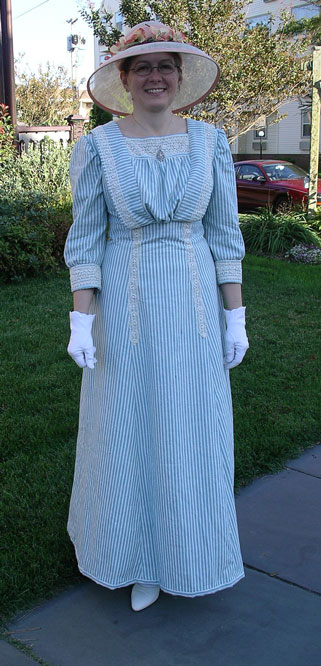 |
A ragtime dress for a teadance, made in a blue and white ticking striped cotton. It's a hybrid of the Folkwear Garden Party Dress and the Roching Horse Farms 1915 day dress -- the "famous Rocking Horse pattern." Loads of antique lace trim it. A very comfortable dress for one-stepping or strolling. |
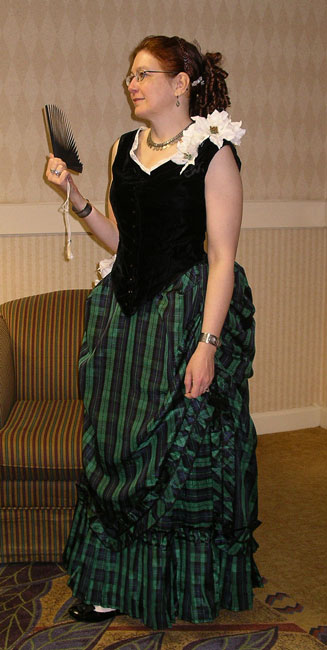 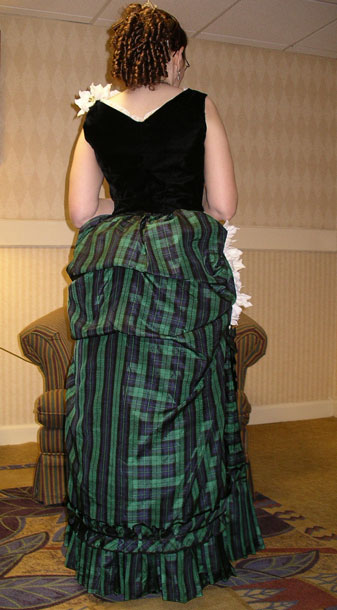 |
A ballgown originally made for a Christmas ball, with garlands of white silk pointsettias on the shoulder and skirt. They were later replaced with white roses. The bodice, the TV cuirass, is black velvet. The skirt is taffeta. I wish I'd used better fabric (this is 50-cent-a-yard polyester) because the details, especially the pleated and layered trimmings, are carefully based on a couple of originals in the Morris County Historical Society costume collection, and it came out so well it deserves to be in silk! These photos don't do this bustle gown justice, frankly. |
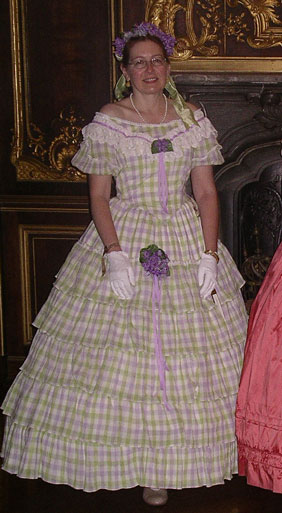 |
A summery Civil War gown, using the Period Impressions CW bodice and the PI 1850s flounced skirt. I had to make the skirt eight panels around instead of six to fit my hoop, cutting gores into the top to minimize the bunchiness at the waistline. There are about 30 yards of ruffles. Thanks heavens for my rolled hemmer! The fabric is a lavender, spring green, and white cotton gauze. The heavy lace on the bertha was crocheted by the aunt of a friend of mine. My husband and I are standing not in front of a doorway but in front of one of the openings in a double fireplace at Ochre Court in Newport, RI. |
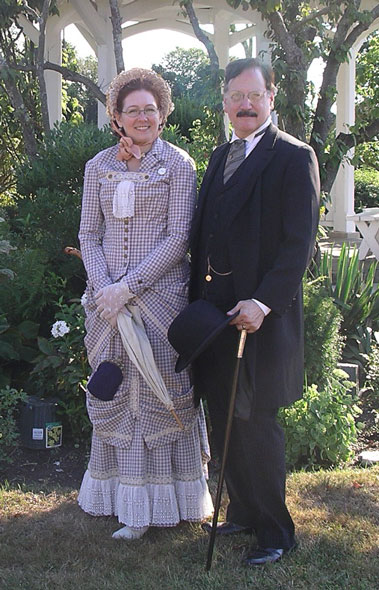 |
Perhaps my favorite outfit lately, a natural-form suit made from Truly Victorian's natural form jacket bodice, underskirt, and Hermoine overskirt. It's in a crisp lavender and yellow checked cotton, and there are yards and yards of antique laces trimming all the angles and circling the hem. The fit and the style all seem just right to me. |
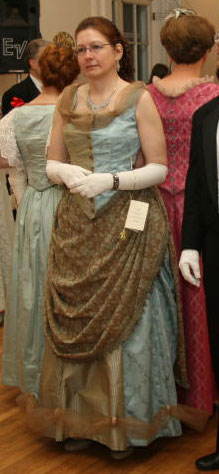 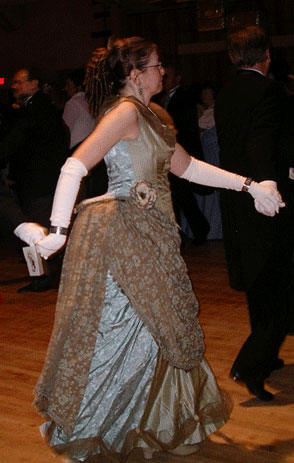 |
A bustle ballgown (TV cuirass bodice and waterfall overskirt, OWE underskirt) in watery blue damask, tan damask, and blue and tan striped silk, with gold gauze puffing on the neckline and skirt hem, asymmetrical trimming on the bodice hem, and a big silk rose in the same colors. Inspired by an 1885 Harpers Bazaar sketch. |
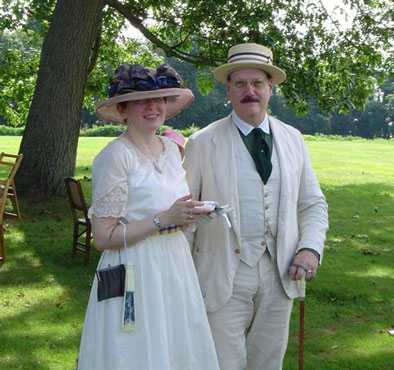 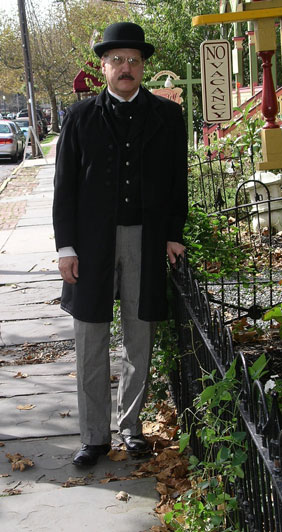 |
A couple of extra non-sewing photos -- me and my spouse in Newport; I'm in an antique early 20th-century lawn dress. Also a nice picture of my hubby in Victorian garb in Cape May. |
 |
(Space reserved for more photos!) |