
As people move to different areas where there may be better living conditions, they have to adapt to their surroundings. This results in a change in culture and every-day practices within it.
People make advancements in knowlege and technology to better their lives. This can also change a culture. Washing hands can be cited as an example. Before people were aware of germs, washing your hands was not seen as very important. Today a person who doesn't wash his hands is subject to all kinds of negative social re-inforcement.
In competing with each other, societies may change. Southern Texas is an example of this. Close proximity to the Mexican border has caused a mixing of cultures. In this case howeve, instead of struggling for dominance, a new identity has been formed. Tex-Mex cuisine came out of merging Texan and Mexican cooking styles and creating something new.
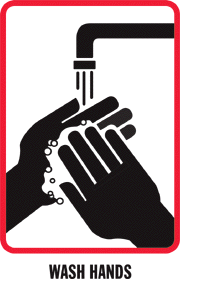
social norm, but a mandate.