 |
|
|
|
|
|
|
|
|
|
|
|
|
|
|
|
|
|
|
|
|
|
The Millennium Nature Reserve |
|
|
|
Home |
|
|
|
In 1998 the Junior Rangers came up with the idea to make an area of the park better for wildlife. The area was overgrown with rododendrons most of which were over 5m tall. Work began that very year with footpaths and a variety of improvements designed to attract animals and insects to the new Millennium Nature Reserve.
From 1998 to 2001 a variety of local community groups took part in the project. Over 400m of footpath were built, hundreds of trees planted and many new features were put in place. Most of the work was carried out by people with no previous experience in conservation work. |
|
|
|
The following is a guide to the MNR. It is set in the form of a trail which stops at ten different mushrooms. At each mushroom there is an explination about the conservation work carried out there or you will be able to discover more about the history and wildlife in the area. |
|
|
|
1. Formerly a rockery, this area was recently planted with shrubs and flowers which are attractive to butterflies, birds and bees. Bushes such as Buddleia have been placed at the back and in late summer will be an important food sorce for butterflies such as Red Admirals and Peacocks.
Garden flowers such as Primulas and Ice plant provide nectar and pollen for bees from early spring. Wildflowers like Garlic Mustard flower in the early summer and are food for the caterpillars of Orange Tip butterflies. Summer flowers such as Teasel and Heather attract bees and other flying insects as well as providing an important source of seeds in the autumn. Cononeaster bushes provide nectar in summer and berries in the autumn. |
|
|
|
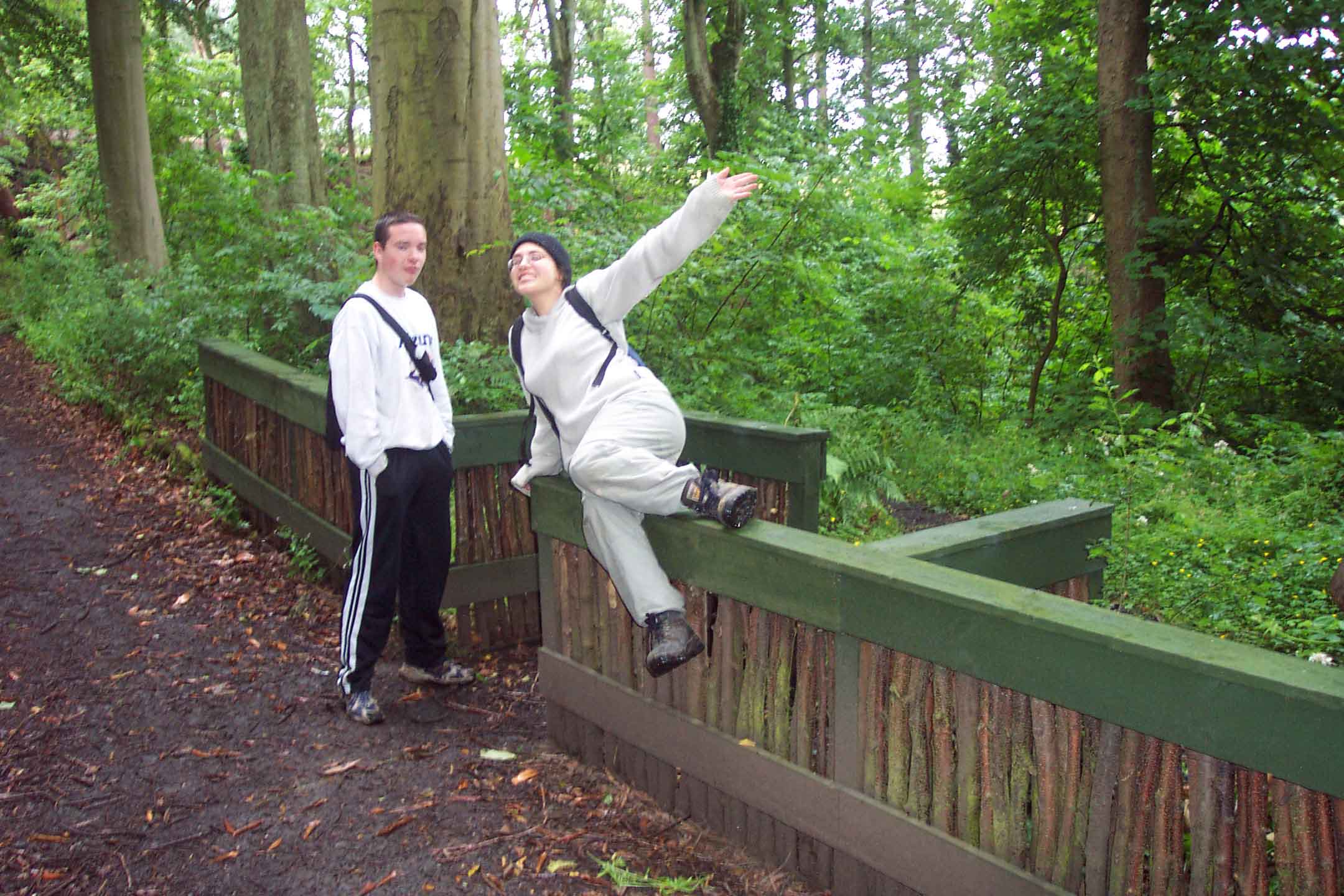
2. This gate marks the first steps towards entering this woodland. Here the Rhododendrons (Rhododendron ponticum) Were as tall as 5m and nobody has been into this area for over 50 years. Although rhododendrons have attractive purple flowers, they are not a native shrub. They are originally from SE Europe, few species of British insects eat the leaves and even fewer wildflowers grow beneth their shady canopy. When the rododendrons were romoved, native shrubs and spring wildflowers were planted here to increase the biodiversity of the area. |
|
|
|
 |
|
|
|
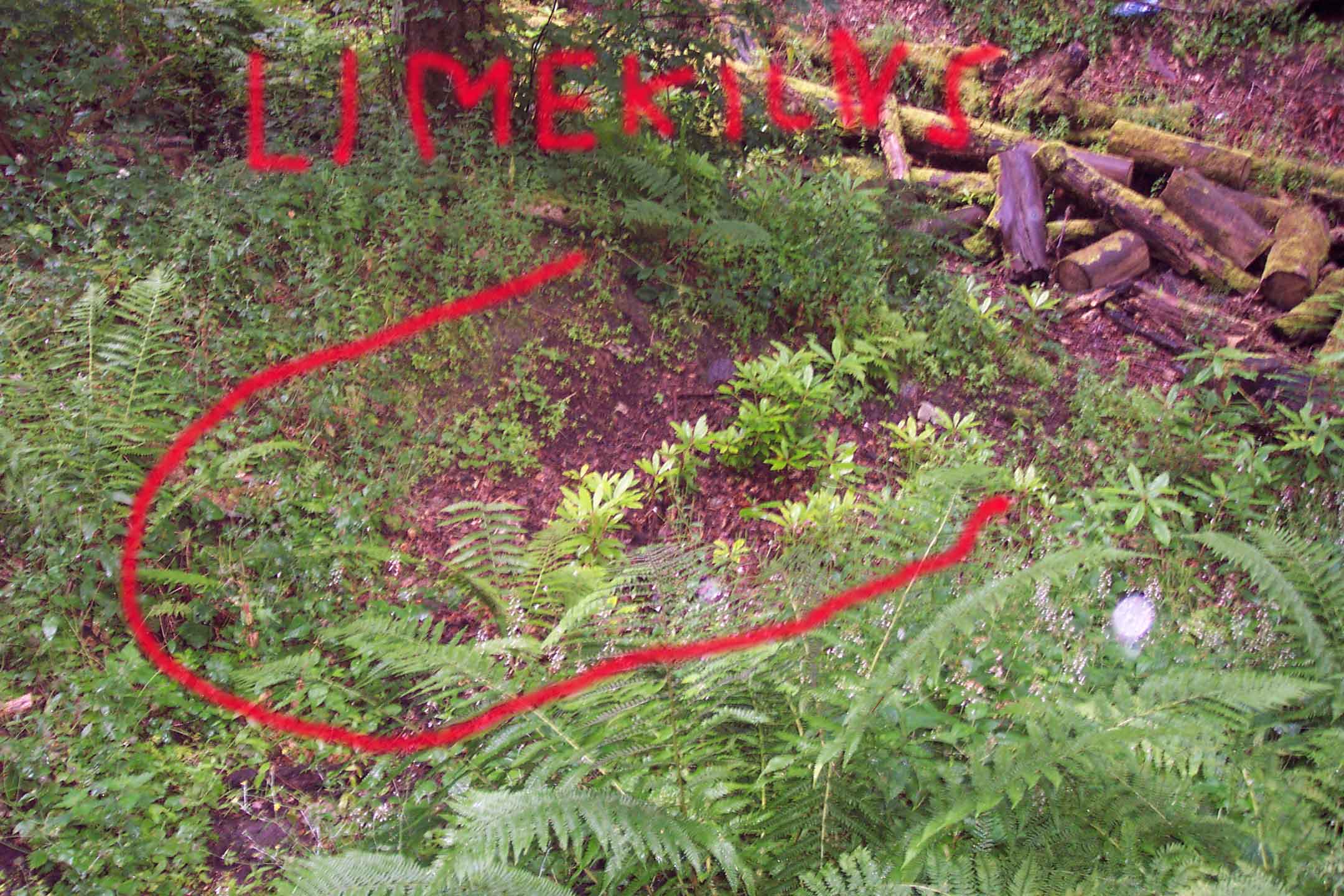
3. On either side of this footpath and staircase are six rare historical features, the only ones of their type left in Glasgow. Rediscovered by local historian Stuart Nisbet in 2000 when the rhododendrons were removed, these 18th centuary limekilns were an important part of the local economy from the 1760's untill the early 1800's.
The ground beneath the site consists of limestone rock which when burned and crushed helped to fertilise the heavy clay fields on the neighbouring farmland. The small 'glen' is in fact the quarry from which the limestone was hewn and the horse shoe-shaped structures are the clamp kilns in which the limestone was burned with coal and then removed by hand on to carts for distribution.
Even though the limestone is not visible, plants can be a good indicator of the underlying rock. Sanicle is a plant that thrives on the limestone in the area. It has shiny dark green leaves and small white flowers carried on a long stalk. |
|
|
|
 |
|
|
|
Next |
|
|
|