"Everybody told me this ‘girl on the piano’ thing was never going to work" (Rogers, Images).
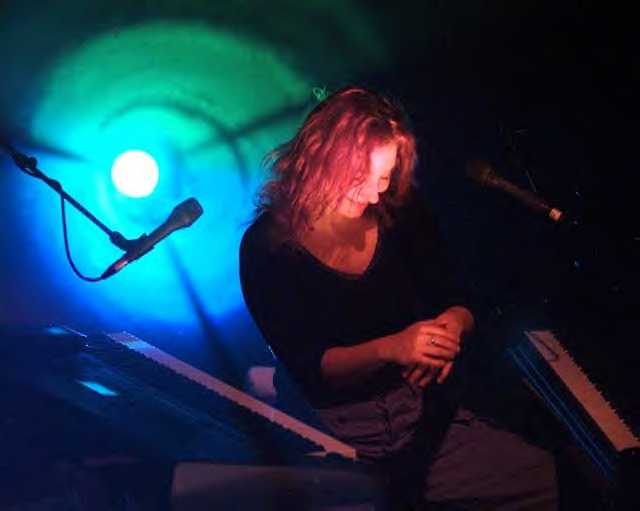
As a form of self-expression, music is inherently autobiographical. There is no way to separate the composer from the opus; music always reflects aspects of the person who composed it. Tori’s music, however, stretches the concept of autobiography to its limits. Tori’s music is, on many different levels, "an expression of who she is and who she has been" (Rogers, All These Years 71). It expresses not only her life events, in the conventional sense of "autobiography," but also her fictional selves, universal themes of womanhood, and her emotional reactions. Furthermore, Tori’s passionate performing style and use of the piano constitute yet another level of autobiography.
Most people consider autobiography to be a record of a person’s life, and Tori’s autobiography is no exception. Each of her three most recent albums has been influenced by a major event in her life. Boys for Pele was written in response to the end of a relationship with Eric Rosse, her boyfriend of six years (Smith n.p.). Rather than self-pity, the songs on the album convey self-recognition and power as they "took me to some of the hidden places in my heart as a woman" (Rogers, All These Years 105). Yet amidst the empowerment, Tori makes heartbroken pleas to her lover in "Hey Jupiter" ("nothing’s been the same / so are you gay / are you blue / thought we both could use a friend to run to") and "Putting the Damage On" ("boy you still look pretty / when you’re putting the damage on"). Her next album, from the choirgirl hotel, was inspired by her miscarriage on December 23, 1996 (Daly). According to Tori, "Choirgirl is not a victim’s record. It is very much about appreciating the life force and trying to connect with this being that I had become connected to but I can’t find anymore" (Smith). In "Spark," the lyrics "she’s convinced she could hold back a glacier / but she couldn’t keep baby alive" are a direct, cutting reference to her miscarriage. "Playboy Mommy" depicts her feelings of rejection - "don’t judge me so harsh little girl / so you got a playboy mommy" - as if her unborn child refused to choose Tori as Tori had chosen her parents (Daly). More hope is present in to venus and back, which focuses on the passion and commitment of her February 1998 marriage to Mark Hawley. "Married life is fascinating - the passion has surprised me," comments Tori (Hendrickson). This album reveals a Tori who is at peace with herself and her future, as the song "riot proof" shows: "it will all find its way in time" (Sturgis). On September 5, 2000, Tori gave birth to a baby girl named Natasha Lorien Hawley; one can only wonder how Natasha will affect Tori’s future music.
In addition to her more recent albums, Little Earthquakes and Under the Pink also incorporate events from Tori’s life, the most notable of which is her 1985 rape, portrayed in "Me and a Gun" ("it was me and a gun and a man on my back and I sang ‘holy holy’ as he buttoned down his pants"). The song was written six years later, after Tori watched a character being raped in the movie Thelma and Louise (Rogers, All These Years 47). As the movie had done for Tori, the song brought a flood of emotions from other rape victims, inspiring Tori to found RAINN, the Rape, Abuse, and Incest National Network, which provides counseling services to victims of sexual abuse (Bell n.p.). By singing "Me and a Gun" at every concert, Tori emphasizes that the healing process is ongoing and far from easy:
For many years, I shut down that place inside myself that needed to rage, cry, ask questions, and basically just express herself. I made a conscious choice when I put ‘Me and a Gun’ on the record not to stay a victim anymore...the strength that it takes to get up and sing that song every night is more than I ever imagined (Rogers, Images).
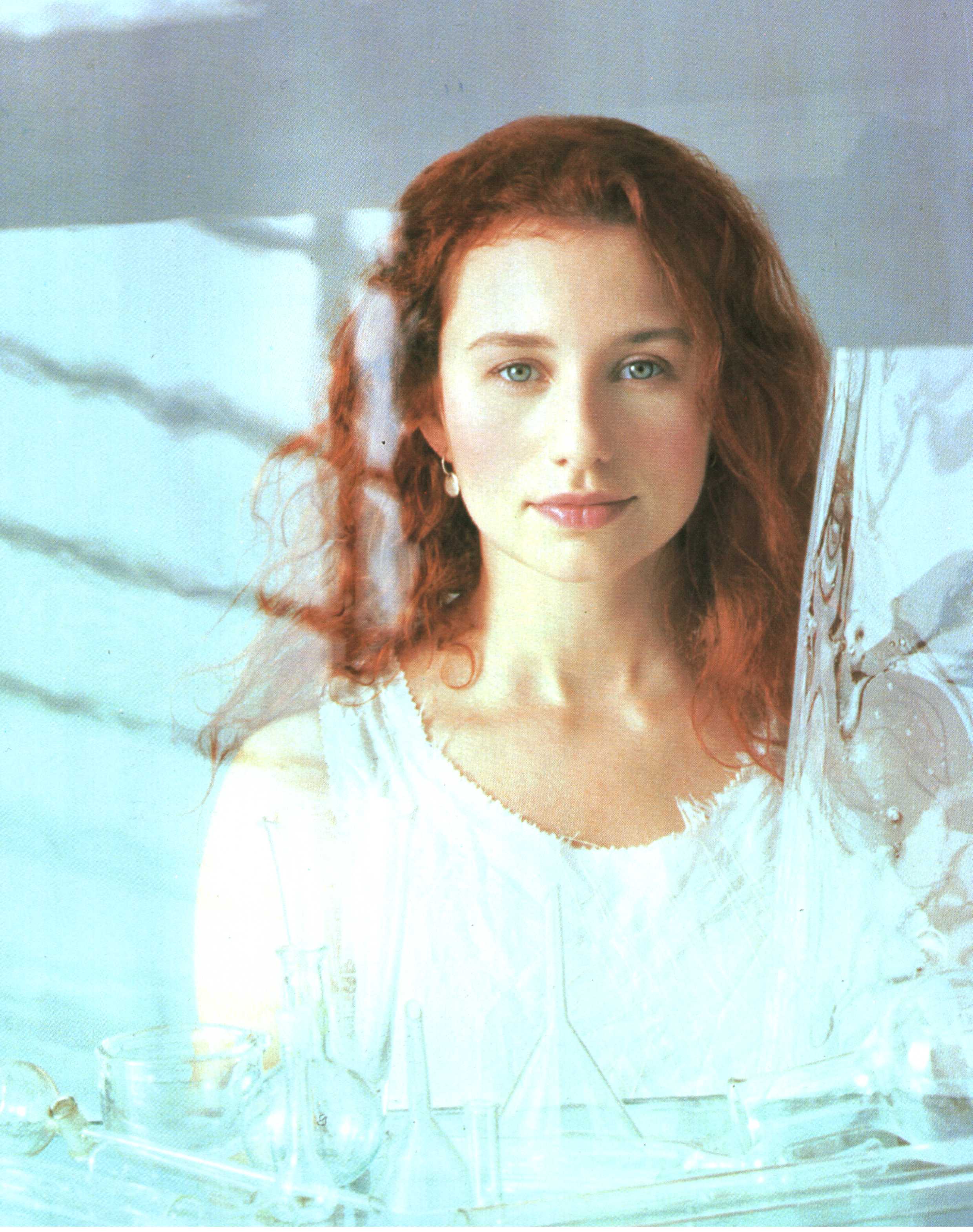
Other inspirations of Little Earthquakes include her willingness to be and do what was expected of her in "Girl" ("she’s been everybody else’s girl / maybe one day she’ll be her own"), her struggle to please others in "Crucify" ("every day I crucify myself / nothing I do is good enough for you"), her search for her own voice in "Silent All These Years" ("sometimes I hear my voice and it’s been here silent all these years") and her relationship with her father in "Winter" ("you said you wanted me to be proud / I always wanted that myself"). As a whole, Little Earthquakes celebrates finding one’s inner voice and overcoming hardships.
Under the Pink differed drastically from Little Earthquakes: it was "an impressionist painting, it wasn’t supposed to be a diary form like Little Earthquakes" (Rogers, All These Years 77). Under the Pink took a more experimental and abstract turn, as Tori tried out new sounds and delved into "what lurks beneath the concept of girl" (Rogers, All These Years 79). Tori’s autobiographical expression remains intact, though, especially in the songs "God," which criticizes organized religion, and "Cornflake Girl," which describes betrayal among women. The aftermath of her rape seeps into "Baker Baker" in the form of her emotional unavailability ("make me whole again"), and "The Waitress" as her feelings of rage (Rogers, All These Years 93).
However, Tori’s autobiography is not as straightforward as it may seem. She has stated that "my work is much richer than my life," implying that she has created fictional selves similar to Jeanette Winterson’s character in the autobiographical fiction novel Oranges Are Not the Only Fruit (Rogers, Images). For example, the song "Bliss" describes an abusive father-child relationship. Tori’s relationship with her father was far from abusive; in fact, her father supported her dreams of having a musical career. Yet Tori’s rebellion against Christianity must have created some tension between her and her father, a Christian minister. In this way, her true self and her fictional selves blur together. Further complicating the issue is Tori’s multifaceted personality, which is reflected in her music. Everyone has different sides to their personalities; Tori uses hers to create vastly different songs:
You can compartmentalize different sides of yourself - put them onto different shelves and bring them out when you need them...I started finding the people inside me...the prostitute that’s really angry because I judge her so harshly...the self-righteous virgin who knows everything about sex and has never made love (Rogers, Images).
These different sides of Tori as well as her fictional extensions of herself find their way into her music and blend into one song.
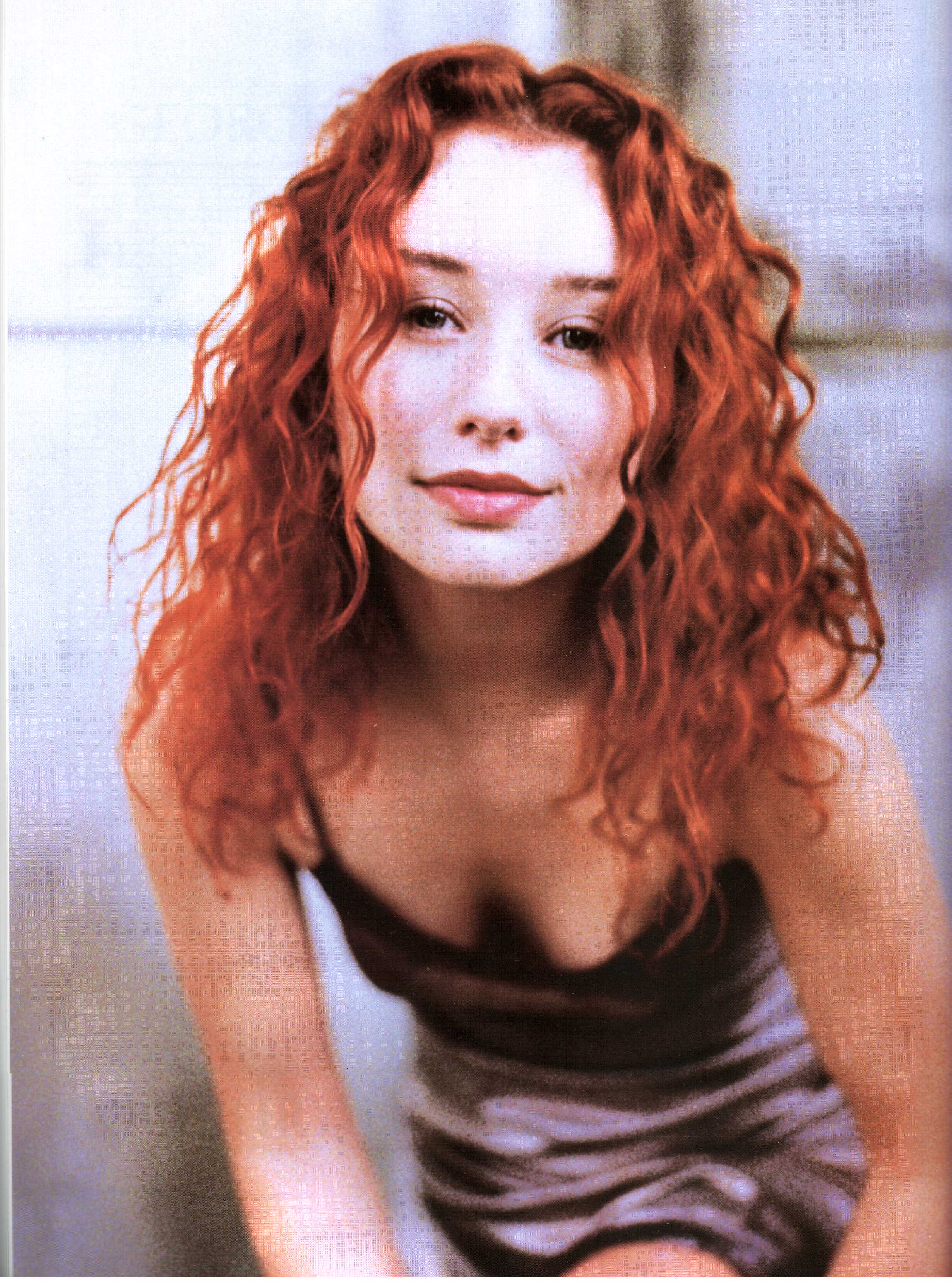
Moreover, Tori’s albums are tied together by the common, universal theme of womanhood. Love, marriage, the end of a relationship, and even overcoming such ordeals as rape or miscarriage are all related to the experience of being a woman. Through this experience, she can both create her fictional selves and express her true self. She believes that "really, I’m just translating. Once I accepted that, that this really isn’t about me, it’s just about tapping into different sides of Woman, then I can take on these parts" (Rogers, Images). It is through this universal womanhood experience that Tori’s fans can find personal meaning in her music. Tori’s songs are open to interpretation, as she explains: "because the songs are complicated and not so literal, people get lots of room to move" (Daly). Each song can hold a different meaning for each listener.
Another level of Tori’s autobiography lies in her emotional reactions to remote events and people. These events may not have directly impacted Tori’s life, yet her reactions are an important part of her autobiographical self-expression. The song "Juarez" ("just cause the desert likes / young girls’ flesh and / no angel came") - was inspired by the murder of women in the Mexican town of Juarez (Dunn n.p.). "Jackie’s Strength" describes Jacqueline Bouvier Kennedy, who "held the country together after she watched her husband get cut down right in front of her" (Daly). Tori’s emotional reactions are part of her personality, and in expressing them, she expresses herself.
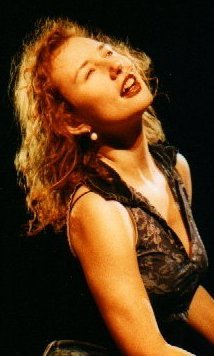
Not only are Tori’s lyrics autobiographical, but her performing style and her use of the piano also reflect herself. The piano is deeply ingrained in Tori’s identity: "playing is the only place where I’ve felt in touch with my sexuality, my spirituality, and my emotions" (Rogers, Images). Such a place provides Tori with a comfort zone to express herself without inhibition, resulting in a unique, notoriously passionate performing style. Tori’s "raw power and sensuality" during her live performances often "leaves her audiences breathless" (Sturgis). Thus, her onstage writhing, head-tossing, and heavy breathing comprise another, albeit less conventional form of autobiography.
Tori’s autobiography is multifaceted and complex, incorporating her life story, fictional extensions of herself, universal experiences of womanhood, emotional reactions, enthusiastic performing style, and the piano. Her music expresses herself, but it also has personal significance for every listener. This openness to interpretation and extension beyond herself actually strengthens rather than destroys the autobiographical nature of Tori’s music. By expanding her music beyond herself, Tori makes it universally meaningful. Autobiography is also largely an act of survival for Tori; she uses her self-expression through music to exorcise the demons inside her mind and continue a healing process. Hopefully, her music will perform the ultimate act of survival by withstanding the test of time to be admired by future generations.
Please visit the Lyrics pages for the full lyrics to the songs discussed in this section.