Early Influences and the Development of Tori’s Musical Expression
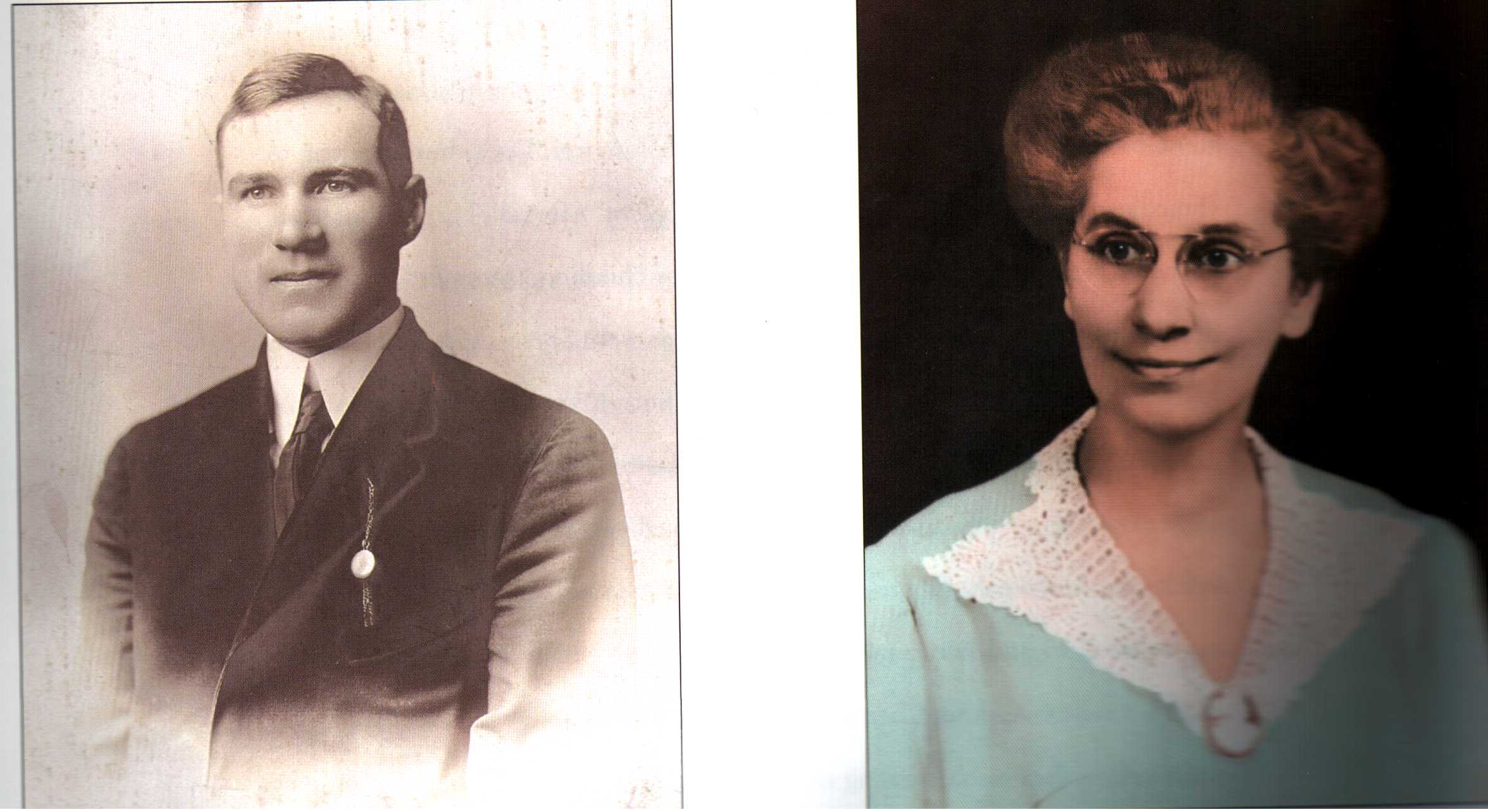
Tori Amos was born in Newton, North Carolina on August 22, 1963 to Dr. Edison and Mary Ellen Amos. Tori, a staunch believer in past lives and mystical beings, is convinced that she chose to become a member of the Amos family rather than her parents’ choosing to have a baby (Rogers, All These Years 5). Yet Tori’s family had tremendous influences on her, both positive and negative. Her father, a Methodist minister, and her paternal grandmother Addie Allen Amos brought religion into her life. Tori refers to Addie Allen as her "Victorian" grandmother in reference to Addie’s rigid morality (Rogers, All These Years 7). Later Tori would rebel against organized religion through her music, considering herself on a mission "to expose the dark side of Christianity" (Daly n.p.). Her maternal grandparents, on the other hand, instilled a completely different set of values. Tori’s grandfather was a Cherokee Indian who delighted her with his legends, beliefs, and songs (Rogers, All These Years 5).
Tori's paternal grandparents, James and Addie Allen Amos
Tori’s musical career began at the age of two, when she began to play the piano by ear after her brother and sister had finished practicing (Rogers, All These Years 7). When she was five years old, she earned a scholarship to the prestigious Peabody Conservatory in Baltimore. Tori was the youngest student ever accepted by the conservatory. Peabody broadened her experience by exposing her to a plethora of musical styles and people; however, it also stifled her creativity by forcing her to read music rather than improvise (Rogers, All These Years 10-11). Tori was required to re-audition for her scholarship every year. When she was eleven years old, she rebelliously improvised on her audition pieces and was denied her scholarship. Because her family could not afford the tuition, Peabody was no longer an option. Later, Tori’s father suggested that she re-audition in order to break an adolescent slump, but her rendition of "I’ve Been Cheated," appropriate as it was for the situation, failed to impress the judges (Rogers, All These Years 15).
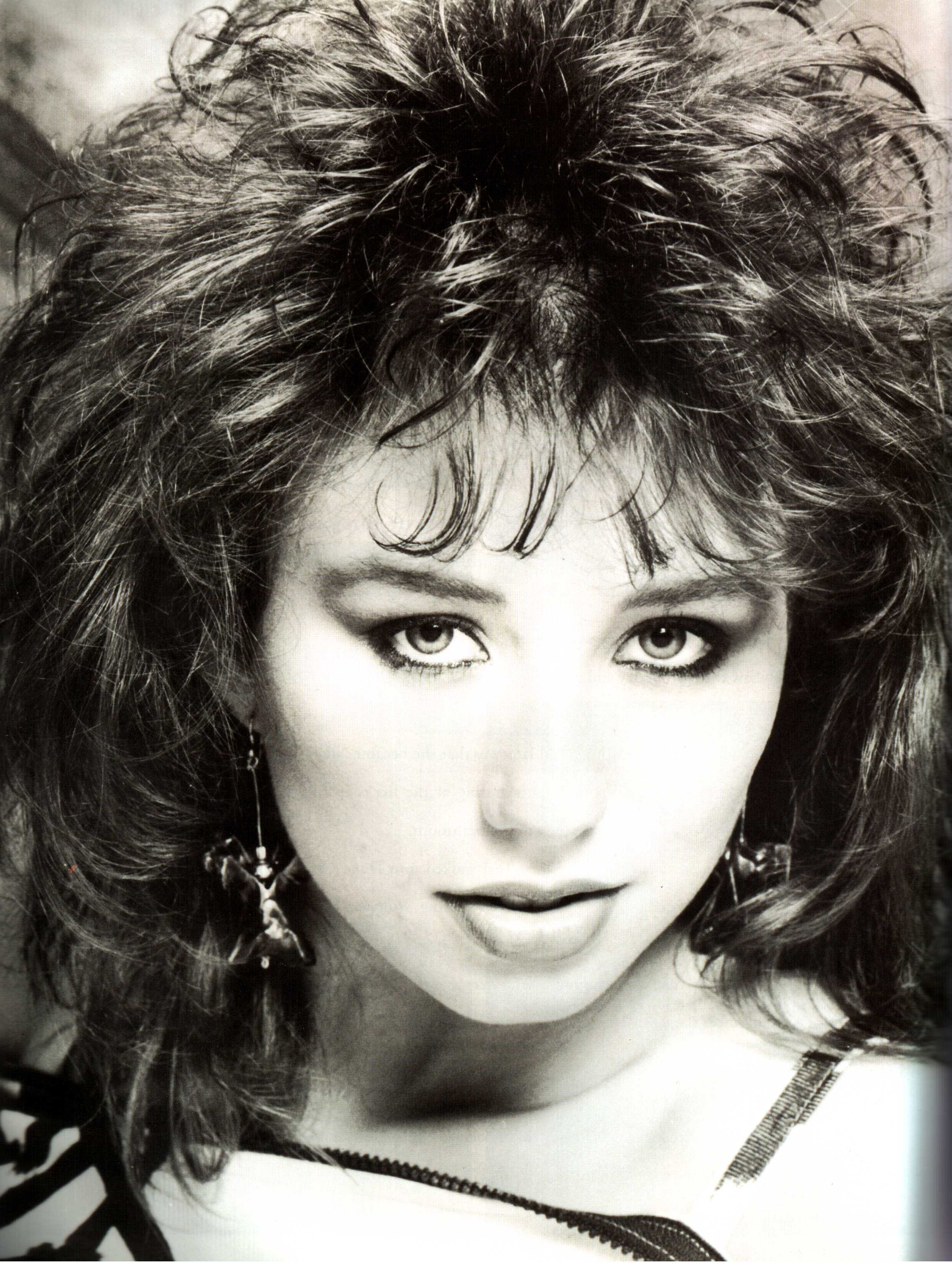
Tori continued taking private piano lessons and, believing that becoming a concert pianist was now impossible, harbored a dream of becoming a "rock star." Her father wholeheartedly supported her dream, as rock and roll was a better pastime than becoming involved with sex and drugs (Rogers, All These Years 17). With his help, Tori secured gigs in lounges and bars, becoming a regular perfomer by the age of thirteen (Sturgis n.p.). In 1980 she recorded her first single, "Baltimore," a song about the Baltimore Orioles baseball team. Tori showed an innate talent and enthusiasm for performing. She took every request and sang from midnight into the early morning. Unfortunately, she almost destroyed her vocal cords doing so; she only recovered with a doctor’s prescription of ten days of silence (Rogers 23).
On September 10, 1984, Tori moved to Los Angeles to further her musical career. She began a "rock-chick phase" of big hair, lipstick, and leather, and she made ends meet by playing in Hollywood lounges and bars. She even starred in a commercial for Kellogg’s Just Right Cereal, edging out actress Sarah Jessica Parker for the part (Rogers, All These Years 31). Finally, Tori met with success in the form of a deal with Atlantic Records. The heavy-metal/pop album she released, Y Kant Tori Read, however, failed miserably. Tori had attempted to succeed by being who she thought she needed to be - the tough, cool "rocker chick" - but her success would come only when she learned to be herself.

The failure of Y Kant Tori Read sent Tori into a deep depression. In her own words, "to go from a prodigy to a joke at twenty-four was very hard to accept" (Rogers, All These Years 37). A friend of hers named Cindy Marble convinced her to return to the piano, though. At first, Tori was reluctant and afraid of rejection, worrying that "if they cut this up, there would be nothing left of me" (Rogers, All These Years 39). Indeed, the piano was a major aspect of her identity, but that was all the more reason to express herself through it. Tori’s fears did come true: her new songs were rejected more than once by Atlantic Records, and she almost reverted to her "rocker chick" image in response (Rogers, All These Years 41). Yet she persisted, determined to "turn in what I feel is me - Tori - my music, my lyrics" (Rogers, All These Years 43). It took a move to England for Tori to finally gain acceptance. British people accepted Tori mainly because she was unlike anything they had ever heard. Atlantic Records released her debut album, Little Earthquakes, in February of 1992. People identified with her diary-like confessions on Little Earthquakes, and one of the most dedicated fan bases in the music industry had begun to form. From there, Tori’s career blossomed, spawning four subsequent albums to date: Little Earthquakes, Boys for Pele, Under the Pink, from the choirgirl hotel, and to venus and back.