
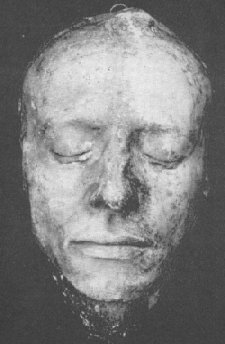

Source: The Explicator, Fall 1999 (Andrew P. Scheil) and Spring 2001 (Thomas C. Harrison).
|
|
|
|
|
|
|
|
|
|
|
|
||||||||||
| What does it all mean? | ||||||||||
|
||||||||||
| Is the end of autumn a metaphor for death in the poem? | ||||||||||
| The third stanza contains many references to death through the use of autumn coming to an end. Winter is inevitable and signifies that all must come to an eventual end. Of course we cannot read Keats' mind, but I think that the poem clearly supports this interpretation. In 1819, when "To Autumn" was written, Keats had already experienced much death in his life: his father, mother, brother Edward, and his maternal grandparents had already left him. In addition, Keats began noticing symptoms of tuberculosis in himself. It is not surprising that Keats may have been preoccupied with death. Source: The Explicator, Fall 1999 (Andrew P. Scheil) and Spring 2001 (Thomas C. Harrison). |
||||||||||
| RETURN HOME | ||||||||||