Tolkien's Six Keys to Happiness
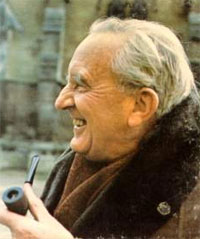
I. Delight in Simple Things
 A. How it is shown in J.R.R. Tolkien�s Works:
1. Hobbits enjoys the simple things in life, such as eating, drinking, gardening, giving and receiving gifts, and pipe smoking
2. Elves enjoy looking at stars, telling tales, and singing songs
B. Other places where this is shown:
1. Greek Epicurus simple, natural pleasures tend to be more frequent and easy to obtain, while those who seek happiness in wealth, power, or fame often come up empty handed
2. David G. Myers in The Pursuit of Happiness outlined most important factors for lasting happiness, including optimism, meaningful work, outgoingness, and healthy bodies.
C. How it relates to us
1. Many people in today�s world live stress-filled lives, which make happiness hard to achieve since we are too busy to notice reliable, simple sources for happiness
II. Make Light of Your Troubles

A. How it is shown in J.R.R. Tolkien�s Works:
1. Gandalf mentions the hobbits� �amazing power of recovery�
2. Merry comments on Pippin�s �unquenchable cheerfulness�
3. Sam remains uncomplaining throughout the entire quest, finding beauty and hope in even the direst circumstances
B. Other places where this is shown:
1. Devout Quakers follow a list of twelve rules for living, called the Quaker Dozen,� which include �make light of your troubles�
2. St. Augustine urges us to rejoice since life is short, sufferings are temporary, and heaven is our final home
3. Marcus Aurelius said, �all human strivings are insignificant�and there is no memory or pain in the oblivion of the grave�
C. How this relates to us:
1. Admire the strength and wisdom of those who can make light of their troubles, because those capable of this brighten their own lives as well the lives of those around them
III. Get Personal
A. How it is shown in J.R.R. Tolkien�s Works:
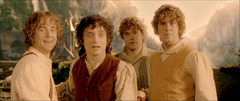
1. Hobbits are highly sociable people with spacious houses and large extended families
2. Hobbits are loyal, courteous, generous, and very peaceable people
3. Hobbits have an incredible capacity for friendship, as shown when Sam, Merry, and Pippin join the quest of Frodo regardless of the dangers
B. Other Places where this is shown:
1. Aristotle�s Nicomachean Ethics discusses the �good of friendship,� which he says is �indispensable for a happy and fulfilled human life, for it holds�communities together, stimulates noble actions�and offers
guidance to young and assistance to elderly.�
2. Aristotle views friendship as the greatest of external goods
3. Studies show that those with supportive relationships tend to be happier and healthier than those without these relationships
C. How this relates to us:
1. We should examine our current relationships and determine if they are supportive and if we are happy with them
IV. Cultivate Good Character

A. How this is shown by J.R.R. Tolkien�s works
1. Happy characters, such as Sam, Aragorn, and Faramir, come to good ends
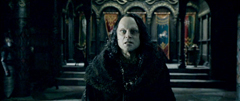
2. Unhappy characters, such as Gollum, and Saruman, come to bad ends
B. Other places where this is shown:
1. In Harold Kushner�s When Bad Things Happen to Good People, he says that Humans have an innate desire and a need to be good, and also have a powerful desire for happiness, suggesting that there is a link between goodness and happiness
C. How this relates to us:
1. Most view our world as a �nice guys finish last� type of world
2. The truth is, however, in this world some happy people are not good and some good people are not happy, yet there is some connection between goodness and happiness
3. Your chances of achieving things strongly associated with happiness (strong friendships, optimism, etc) are greatly improved by being a good, moral person
V. Cherish and Create Beauty


A. How this is shown by J.R.R. Tolkien�s works:
1. Rivendell and Lothlorien are places of great beauty and light, as well as powerful symbols of happiness and goodness
2. Mordor, Orthanc, and Minas Morgul are places of great darkness and ugliness, symbolizing evil and unhappiness
3. Beautiful characters such as Arwen, Galadriel, and Faramir tend to be happy characters, while ugly characters such as orcs and Gollum tend to be unhappy characters
4. Happy peoples such as Hobbits and Elves enjoy spending time writing beautiful songs are crafting pretty things
B. Other places where this is shown:
1. Psychologist Mihaly Csikszentmilhalyi pointed out that artists, dancers, writers and other creative people tend to have happy experiences while completely absorbed in their craft.
2. Psychologist Abraham Maslow commented that these people were �all there, totally immersed [and] fascinated� and tend to be happy as a result
C. How this relates to us:
1. Tolkien�s explanation: �we make (create) because we [ourselves] are made�in the image and likeness of a Maker�
2. We find happiness in beauty because we have our own roots in beauty and creativity through God, the Creator.
VI. Rediscover Wonder

A. How this is shown in J.R.R. Tolkien�s works:
1. Tom Bombadil, one of the happiest characters, is so happy, as Tolkien writes in a letter, because he �takes delight in things for themselves because they are �other� and wholly independent of the enquiring mind�
2. Elves by nature are fascinated with the world around them. While men would dismiss a sunset, elves see it with new wonder and enjoyment every time.
B. Other places where this is shown:
1. Poet Diane Ackerman writes that �the world we take for granted wobbles with mysteries�when we pause to sense [these mysteries] we become wonder-struck and experience a richly satisfying frame of mind�that we call joy.�
C. How this relates to us:
1. Tolkien is encouraging us to learn from the elves and take delight and wonder in what we see everyday
2. By placing magic and enchantments next to what is familiar to us, Tolkien encourages us to see our own world with as much wonder as we would a world with wizards, dragons, elves, and delightful little hobbits.
Click Here for a site containing the entire script for the Lord of the Rings Movies, including many pictures and deleted scenes.
Back to My Homepage