
10 of 10
Cinematography by Gary Graver
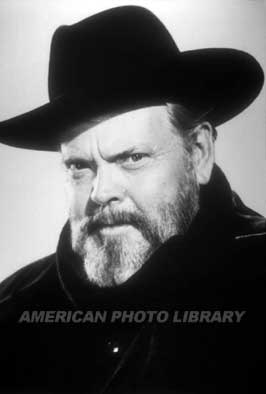
Orson Welles
Oja Kodar
Elmyr de Hory
Clifford Irving
Gradually, however, a shape begins to emerge, though the temporal manipulation and frenetic editing are always with us. And the shape which emerges through all this confusion and �fakery� is one we have seen many times before: Welles himself, in all his bewildering, confounding glory. Taking large amounts of footage shot by someone else, he still manages to create a work that is completely his own, with a keen eye for illuminating details, and a sense of humor that is at once both sardonic and reverential. A film of contradictions, which features two of the most bravura editing sequences I have ever seen, and that subtly changes its focus throughout. And the ending leaves us with no doubts; Welles definitely knows how to keep us guessing, not only about his own thoughts and actions, but about ourselves as well. No wonder the man is so mesmerizing.