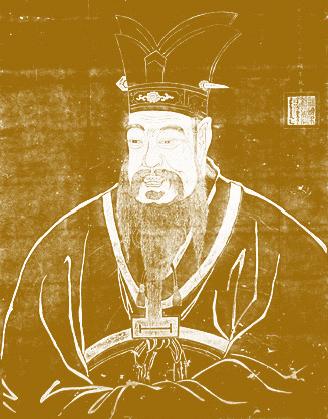
| Confucius: The Teacher of 10,000 Generations | |||||||||||||||||||
![]() |
|||||||||||||||||||
| There is hardly a country in the Far East that has not been impacted by the philosophy of Confucius. He was born in 551 B.C. in Lu, China, a time when the country was in turmoil. After years of study and learning he began to travel around the country teaching about his ideas of morality, ethics and virtuous government. He hoped to obtain a position with a local ruler in order to set his principles into practice, but this never happened. Although often associated with Daoism, Confucius himself was not a religious leader and taught almost exclusively on this world rather than the next. The virtues most stressed by Confucius were: Li, which includes ritual, propriety, etiquette etc; Hsiao, or love among family members; Yi, or righteousness; Xin, which is honesty and trustworthiness; Jen, or benevolence toward others and, finally, the ultimate virtue of Confucian thinking, Chung, which is loyalty to the emperor and the country. The |
|||||||||||||||||||
| basic premise of Confucianism is to teach a system of ethics to allow society to function better, and to use rituals throughout the life of the individual to reinforce respect for both the social hierarchy and the moral principles themselves. The Confucian "religion" has no official priesthood. Rites and ceremonies are performed by the head of the family on the local level, the head of the clan above that etc, ultimately up to the emperor who performs the rites on behalf of the entire "middle kingdom". The most religious aspect often associated with Confucianism is "ancestor worship", a name which, in my opinion, is slightly misleading. From my own observation, I would say that 'commemoration' would be a better word, and unlike the Church leaders in the time of the great missionary Mateo Ricci, I see nothing wrong with it. It seems to me to be no more than an effort to keep the memory of ones family alive in the future. |
![]() |
||||||||||||||||||
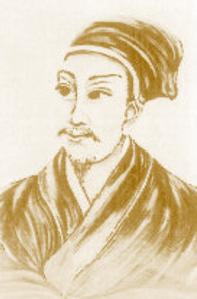
| Confucius is one of my all-time favorite historical figures, and although there are teachings of his which people would look down on today, his principles are simple, humane and brilliant in a most practical way. Leaders should be virtuous and command through example rather than force, administrators should be chosen by their education rather than wealth or family connections, children should support their parents, elders should be respected and everyone should have gratitude for the accomplishments of their forebears according to Confucius. He put great stress on morality, on education and on loyalty to the family, both in the home and in the nation, or what is known as 'filial piety'. His ideas were very "common sense". He taught the idea of the "Mandate of Heaven" which means, in a nutshell, that a virtuous emperor will rule wisely, the nation will prosper as a result and this will be proof that he holds Heaven's mandate to rule. In other words, "by their deeds ye shall know them". Confucius taught many things which Jesus Christ would later tell His disciples, such as, "do not do to others what you would not wish to be done to yourself". Honor thy father & mother, love your neighbor and render unto Caesar were all |
|||||||||||||||||||
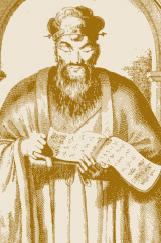
| concepts Confucius believed in as well. His dream was a Middle Kingdom built on respect, learning and grateful loyalty. Sadly, the philosophy of Confucius was often misunderstood by early European visitors to the Far East, and with the advent of Communism and the fall of the emperors Confucius has been almost forgotten in day-to-day life. However, his influence, subtle though it may be, can still be felt. |
|||||||||||||||||||
![]() |
|||||||||||||||||||
| Another Page of mine on Confucius | |||||||||||||||||||
| Confucian Monarchy in the Far East | |||||||||||||||||||