
That Special Garden
"Look"


How to get it - How to keep it
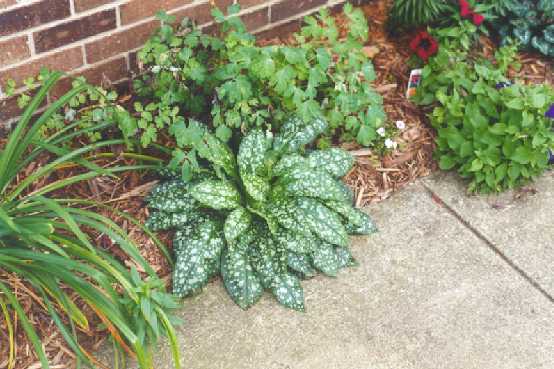
There is much of art and architecture in gardening. Words like accent, structure, height, depth, symmetry, and color come to mind. Planning a garden is a bit like building a house or painting a picture. You can't ignore the basics or the laws of nature in favor of creativity, yet without that spark, your project lacks interest. A garden is in great need of good bones-- the structure that will stand the test of seasonal change, weather, and time. You must also add your personal style that will make it uniquely your own. Together, with careful planning, these two elements will yield a garden that is truly beautiful.
Let's talk about structure. Choose plants with different leaf shapes and textures. Use spiky irises, daylilies, and spiderwort next to rounded and wavy leaf shapes such as coral bells, cyclamen, pansies, or hosta. Variations in leaf color add interest and carry the eye down the perennial border. Silver artemesia, dianthus, and lamb's ears blend well with darker hued plants such as pachysandra, blue hostas, or ajuga. Intersperse with the medium greens of violets, fern, and lilies. Flowers come and go in their season, but the foliage will remain. Make it count!
Organizing plant height will lend grace and order to your garden. Don't plant tall sunflowers in front of tiny violas, or site a low-growing rose behind a butterfly bush. Keep tall plants to the back of the border where they can provide a sturdy backdrop for your medium and short perennial and annual varieties. The foliage of some plants grows close to the ground, but the flower form is quite tall. Columbine, astilbe, and coral bells are three that come to mind. These plants can remain in the middle of the border blending in with the taller plants while not overpowering the shorter plants because their flower stalks are airy and open.
Color is the magnet that draws all the elements of gardening together. Remember bloom time if you have a certain color scheme that you want to create. Maybe you don't want red bee balm blooming alongside your pink lilies. Plan color harmonies before you plant. This is another basic of good garden design.
As a final note, include bird baths, sculpture, fencing, benches, and walkways in your garden. They will add the final touch. Enjoy your haven!
[Home] [My Garden] [Index of Roses] [Sandy Soil] [Winter Prep]
[Old Garden Roses] [Gardening Tips] [Rose Links] [Chickens and Ducks]
Copyright (C) J. Kovalcsik 1999