 |
|
|
|
|
|
|
|
|
|
|
|
|
|
|
|
|
|
|
| ARCHAEOASTRONOMY |
|
|
 |
 |
|
 |
|
|
 |
|
 |
|
|
 |
|
|
|
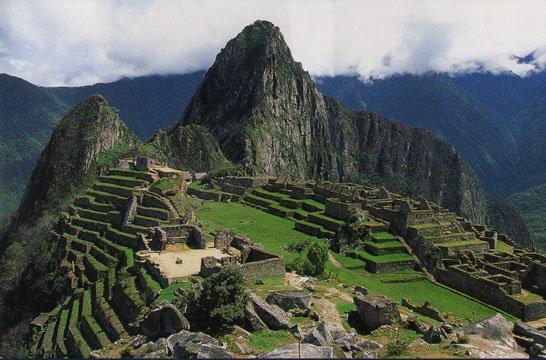
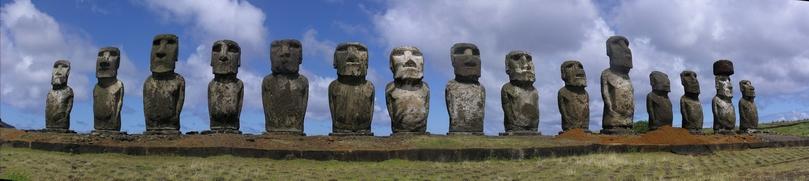
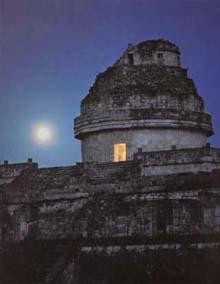
The branch of archaeology that deals with the apparent use by prehistoric civilizations of astronomical techniques to establish the seasons or the cycle of the year, esp. as evidenced in the construction of megaliths and other ritual structures. |
|
|
|
GIZA |
|
|
|
| STAR GAZING |
|
|
|
| RELIGION |
|
|
| RACES |
|
|
| DISOVERIES |
|
|
| "The Nephilim (Nodites) were on earth in those days, and when these sons of the gods went in to the daughters of men and they bore to them, their children were the `mighty men of old,' the `men of renown.'" |
|
When archaeologists dig up the clay-tablet records of the later-day Sumerian descendants of the Nodites, they discover lists of Sumerian kings running back for several thousand years; and as these records go further back, the reigns of the individual kings lengthen from around twenty-five or thirty years up to one hundred and fifty years and more. This lengthening of the reigns of these older kings signifies that some of the early Nodite rulers (immediate descendants of the Prince's staff) did live longer than their later-day successors and also indicates an effort to stretch the dynasties back to Dalamatia.
The records of such long-lived individuals are also due to the confusion of months and years as time periods. This may also be observed in the Biblical genealogy of Abraham and in the early records of the Chinese. The confusion of
the twenty-eight-day month, or season, with the later introduced year of more than three hundred and fifty days is responsible for the traditions of such long human lives. There are records of a man who lived over nine hundred "years." This period represents not quite seventy years, and such lives were regarded for ages as very long, "threescore years and ten" as such a life span was later designated.
The reckoning of time by the twenty-eight-day month persisted long after the days of Adam. But when the Egyptians undertook to reform the calendar, about seven thousand years ago, they did it with great accuracy, introducing the year of 365 days. |
|
|
| The elaborate records left by the Sumerians describe the site of a remarkable settlement which was located on the Persian Gulf near the earlier city of Dilmun. The Egyptians called this city of ancient glory Dilmat, while the later Adamized Sumerians confused both the first and second Nodite cities with Dalamatia and called all three Dilmun. And already have archaeologists found these ancient Sumerian clay tablets which tell of this earthly paradise "where the Gods first blessed mankind with the example of civilized and cultured life." And these tablets, descriptive of Dilmun, the paradise of men and God, are now silently resting on the dusty shelves of many museums. |
|
|
| 119 PROJECTS |
|
|
| GEOLOGY |
|
|
| HOME |
|