Indian transportation presented a challenge as we tried to decipher the jungle of classes available. Semi-deluxe, deluxe and super-deluxe buses are anything but luxurious and the trains have a secret code language for the seemingly dozens of different ways to travel. It was also hard to find a place to crash in between all the guesthouses and dumps using any combination of the words Hilton, Carlton, Continental, Royal, Regal, Plaza, King, and Queen to attract gullible tourists.
In the last week we could no longer look at the culinary staples of chapati (flat bread) and dahl (thick lentil soup). The bland alternative of traveler food was not that exciting either (all-day breakfast and banana pancakes). We felt we had reached new standards of living when we didn�t mind the rats running around at our feet in one restaurant. At least that dinner didn�t cost more than 40 cents per head.
Our concept of a space bubble was completely eradicated in India. There was a constant invasion of curious children pulling at our leg hairs, touts pushing rickshaw shopping tours, and semi-aggressive monkeys. However, it was this in-your-face contact that made us love India so much. We were constantly smiling and chatting, learning to nod our heads like the locals. After some time we got used to nod no to mean yes, to the point that it became second nature. Wherever we went, there was a constant play of mutual fascination and curiosity.
We enjoyed the innocence of India. Whereas the rest of the world seems more and more molded along the same lines, maybe because of globalization and the western cultural imperialism, India manages to retain its own identity, like its very own Hindu planet. We couldn�t even find an American movie playing in the theatres. They don�t need them. The Bollywood industry in Mumbai (former Bombay) produces more movies than Hollywood. The Indians know how to entertain and have fun, producing epic love stories with lots of heroic fighting. Every ten minutes, the entire cast bursts into song and dance, like a 50�s musical featuring turbans and saris.
We enjoyed being in a country where ritual plays an essential part in daily life, whether that is represented by the strong presence of religion, or the way they wash, peel and slice vegetables in carefully studied movements, giving each single gesture its own importance.
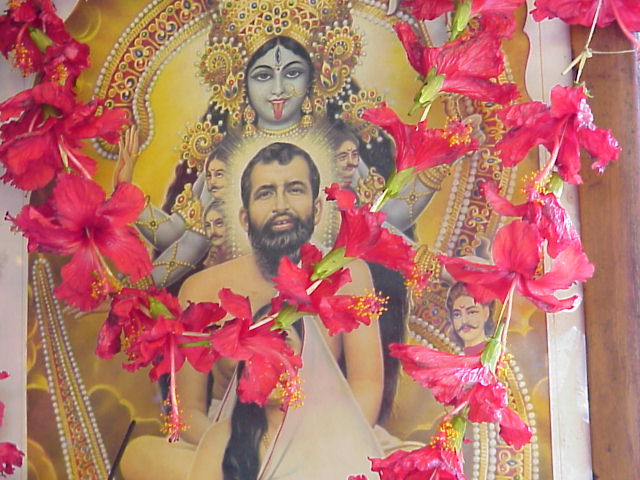
Most of all, we will never forget the rainbow of colors that so often stung our eyes. We particularly remember the glorious patterns of the five-meter long saris hanging out to dry in the sun next to a group of chocolate-colored West Bengali men, all wearing a Madras-checkered sarong in all the hues of the color blue one can imagine.
Call it sado-masochism but we will definitely go back to India. |