Dr. W. Edwards Demming.
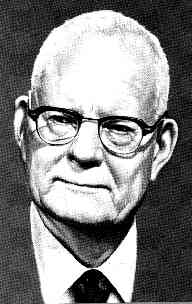
Dr. Deming's famous 14 Points, originally presented in Out of the Crisis, serve as management guidelines. The points cultivate a fertile soil in which a more efficient workplace, higher profits, and increased productivity may grow.
- Create and communicate to all employees a statement of the aims and purposes of the company.
- Adapt to the new philosophy of the day; industries and economics are always changing.
- Build quality into a product throughout production.
- End the practice of awarding business on the basis of price tag alone; instead, try a long-term relationship based on established loyalty and trust.
- Work to constantly improve quality and productivity.
- Institute on-the-job training.
- Teach and institute leadership to improve all job functions.
- Drive out fear; create trust.
- Strive to reduce intradepartmental conflicts.
- Eliminate exhortations for the work force; instead, focus on the system and morale.
- (a) Eliminate work standard quotas for production. Substitute leadership methods for
improvement.
(b) Eliminate MBO. Avoid numerical goals. Alternatively, learn the capabilities of processes, and how to improve them. - Remove barriers that rob people of pride of workmanship
- Educate with self-improvement programs.
- Include everyone in the company to accomplish the transformation.