
Snowden, Scafell Pike and Ben Nevis sea to summit
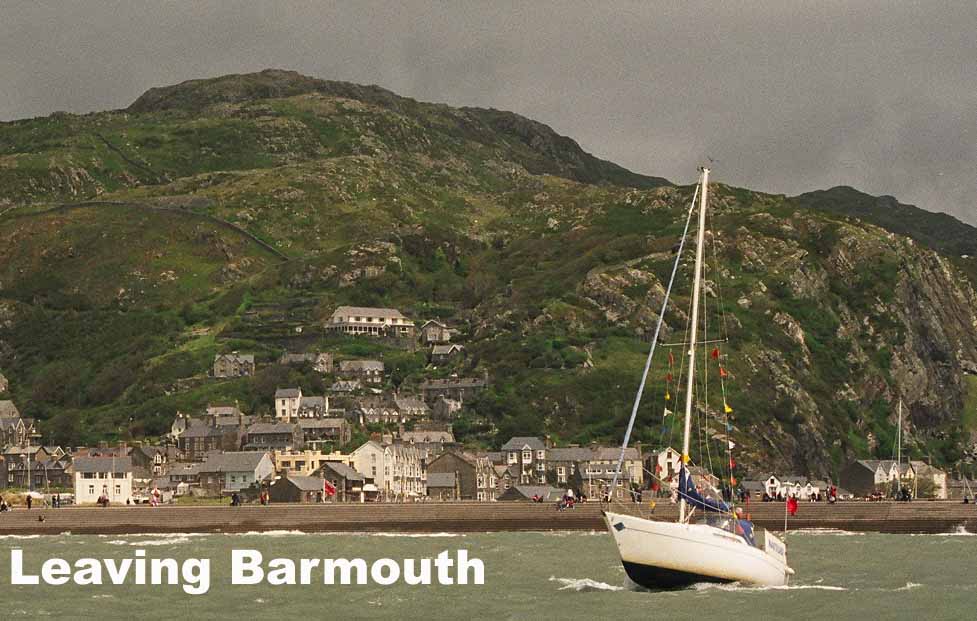
The supplies weren't my own, though. They belonged to Welsh GP Merfyn Jones and on a winter's day in 1977, he was hosting fellow Barmouth doctor Rob Haworth as they talked about their holidays.
Twenty five years on, Haworth is explaining to me the unwitting genesis of one of the world's most eccentric races as we sit in the bar of the Merioneth Yacht Club in Barmouth on a bleak and rainy Welsh day.
"It all started when Merf and I were talking about what we were going to do that summer. I said I'd like to sail a yacht up the west coast and climb the highest mountain in each country," he recalls.
"Merf said that'd make a great race. We went into his kitchen and a tonic bottle on the table became Snowdon, a gin bottle was Scafell and a scotch bottle � obviously � was Ben Nevis. The edge of the table was the west coast.
"We planned it all out. The idea that it would be a race had taken hold and we all hoped we'd get some lunatics to do it. It's the toughest race in Britain -- especially when the gin wore off."
Of course, it didn't hurt that the man they ringed in as race president in 1977 was a retired Barmouth boatie by the name of Bill Tilman, the veteran explorer and the father of the whole sea-to-summit movement.
"Bill was the first person ever to combine sailing and mountaineering, and he did it over huge distances in Patagonia and the Arctic and Antarctic. That was the inspiration and he was a great help to us," Haworth recalls.
"Of the original race committee members, only Bill was relaxed. He didn't care what happened but he thought there would be some interesting developments along the way.
"He came up to Ben Nevis to see the end of the first Three Peaks Yacht Race and present the prizes to the winner. Then he went to Lymington in Hampshire and got on board a boat to Antarctica. They got to South America, refuelled and left for Antarctica � and they were never seen again. To this day, nobody knows what happened to them."
Seven teams entered that first race and found it to be a masochistic endurance event combining athleticism and sleep deprivation in a cold, wet and generally hostile environment over an extended period.
Naturally it became a classic and five of the original seven boats came back to try again the following year. By then it had gained sponsorship from The Daily Telegraph, and within a few years, the 35 places were full as soon as entries opened, with a similar number on the waiting list.
But by the time I found myself chatting with Haworth over a pint in the Merioneth Yacht Club in Barmouth in the hubbub before the 25th Three Peaks Yacht Race, the event had entered that most British of phases � genteel decline.
My sea-to-summit project for 2002 was supposed to have been Denali in Alaska but for a variety of reasons that fell through and the three peaks race seemed like a good alternative. After all, it had also been seven years since I left Britain and I was just at the point where all my connections with the place were disappearing. The New Zealand dollar was going through one of its intermittent phases of improving from being pathetic against the pound to being, well, not quite so pathetic. And there was also the email correspondence I'd resumed with an old girlfriend from the late 1980s who was now living in London. Despite some reservations about resurrecting a relationship that had begun when stonewash jeans were the hot fashion and Pat Benatar was a pop diva, the reunion with Jill had gone swimmingly and on my return from the three peaks race, we were planning a sybaritic week on the grand randonnees of the Pyrenees.
New Zealand soon proved to be a singularly inopportune location to plan for the three peaks, especially when my cunning plan relied on finding a team that needed a not-especially-fast runner and were happy to have an unknown journalist from the far side of the world among them in close quarters for extended periods. In a country where journalists are regularly rated on a par with estate agents, Tory ministers and used car salespeople in credibility polls, this unsurprisingly produced no offers.
Plan B was to follow the race around and do each of the mountains from the sea with different teams. This was a rather more achievable plan because the captains and crews of the 17 yachts in the race were all milling around the bar with Haworth and me for the pre-race briefing. With the aid of the race programme and relying on their alcohol-impaired judgment, I'd quickly arranged different crews to follow on each peak.
Snowdon was to be with the runners from Artful Dodger, a group of mostly retired civil servants with a combined age of 269 and who were campaigning under the slogan: "Dad's Navy takes to the hills in Operation Tortoise � so don't panic!" They were clearly kindred spirits.
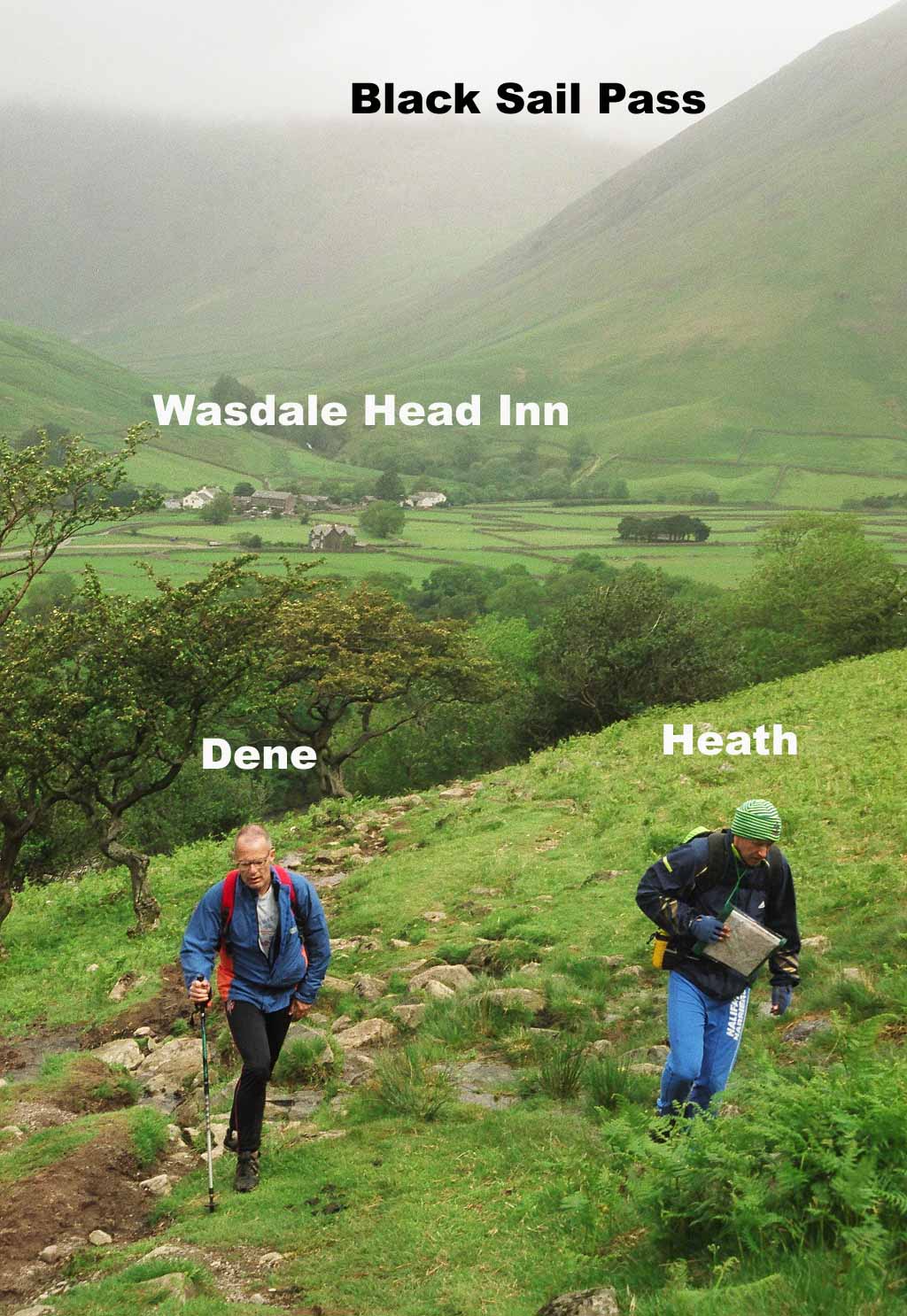
For Scafell Pike, I'd teamed up with Positive Impact, a team of visually-impaired and sighted people. Any thoughts of complacency about keeping up were swiftly quashed by their legally blind runner, Dene Townend, who had managed to get around his depth-perception problems to the extent of clocking a sub-three-hour PB for the marathon. Gulp!
And finally Ben Nevis was to be in the company of Willy Ker, a 77-year-old retired farmer and surveyor who spent his time sailing in the Antarctica, the Bering Strait, Arctic Canada, Greenland and other of the world's more inaccessible reaches. His team was a ferocious mix of top fell runners but Willy was keen to do the Ben so the team would qualify for the race-within-a-race called the Tilman Trophy.
So for the cost of a little self effacement and a few pints, everything was sorted. I watched the yachts head out across the Barmouth bar at around midday on June 15, knowing all I had to do was drive to Caernarfon in time for the arrival of Artful Dodger. I should have known things would not be that simple.
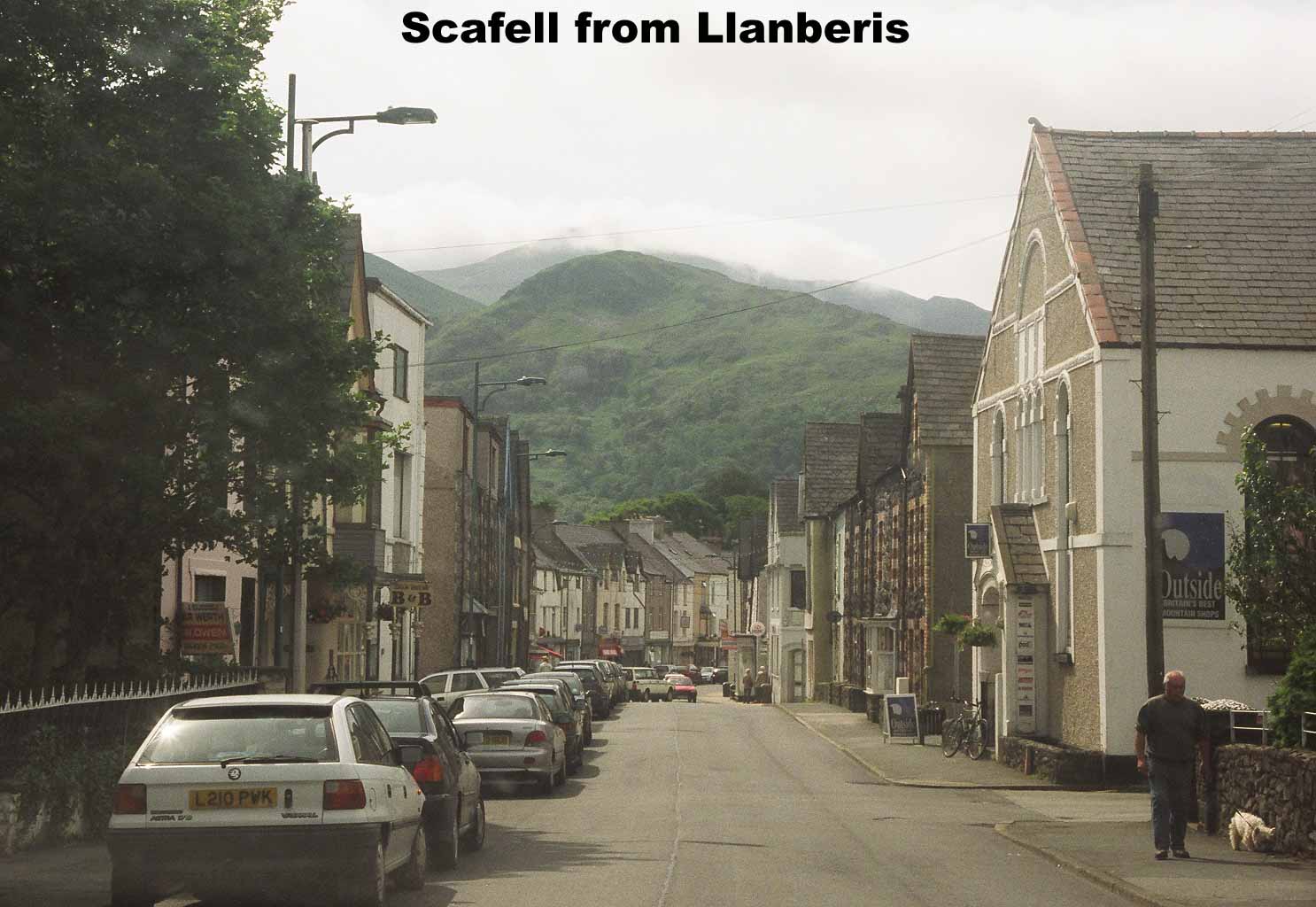
At Caernarfon, I met up with race director Colin Walker, who was a retired Lieutenant Colonel straight out of central casting and lacked only a swagger stick to look like he'd walked out of a 1950s British war drama. He was also a convivial dinner companion as we shared a meal at the pub where he was staying with other race volunteers, where we talked about such meaty topics as Caernarfon Castle's suitability as a small boy's ideal castle and village politicking in Barmouth.
As the meal wound up, we chatted about the various teams and who was likely to do well. "There's already been one withdrawal from the race," he said as an aside. "Artful Dodger." What? "Yes, they pulled into a port because one of the crew was sick. What's wrong � do you know them?"
I quickly scoffed the rest of chilli con and made my way down to the wharf, where the incoming tide meant the first yachts were beginning to arrive. Team Kaat paid the price for trying to rush it by becoming grounded on a sandbank, then having to watch everyone else pass them. The first couple of yachts to make it in had ferociously fit runners who leapt from their yachts as they neared the wharf and set off at a pace they'd keep up for the next 40km but which I'd have been struggling to keep up for the next 40 metres. This was not good.
As this progression continued, the daylight faded and a gentle rain began to fall. Then for reasons which had not fully formed in my mind, I put on my pack and started walking through the dusk on the road towards Snowdon. Part of this was just to be doing something rather than waiting around but I as I walked along, I figured that while I couldn't match it with the runners on the road, my Kiwi tramping fitness would allow me to keep up with all but the fittest teams on the hill itself. A couple more pairs of runners passed me by but mostly I was on my own, squelching through the dark in increasingly heavy rain. It was just short of midnight when the lights of the youth hostel appeared, where the Ranger Track left the road and headed up to the top of Snowdon.
My arrival was greeted by the occupants of a couple of cars, who had mistaken my headtorch for the Team Kaat runners who ought to have been turning up around that time. When Sally and Paul arrived a few minutes later, their support crew swung into action with an endearing efficiency, providing dry clothes and instant-carbo food for the climb ahead. In the midst of all this transition chaos, they were remarkably amenable to my request to follow them up the hill, although possibly the endorphins were making them excessively agreeable.
Those endorphins might have come from doing the road from Caernarfon in half the time I'd taken, which made my belief in being able to mix it with them on the hill seem a little shaky. I was still pondering this when we plunged up the start of the Ranger Track and immediately set off along the wrong route. I'd probably climbed Snowdon a dozen times during my years in Britain but this was not a route I'd done before. Paul had, though, on a training run before the race and knew this wasn't the way. The compass came out and with a bit of geomorphic navigation, we picked up the right track and disappeared into the night.
Sally and Paul turned out to be a great pair and we headed up the hill at a pace that allowed us to chat in that words-between-gasps method enshrined by all social running groups. Sally was a business development manager for a bank near Hastings in Kent � Kaat was the Kent Air Ambulance Trust, for which the race was a fundraiser � and Paul was an expatriate Australian working as an outdoor education teacher nearby. The wind and the rain were no worse than the average Southern Alps westerly so we were able to swap the usual war stories on the path but as we gained height, the elements became increasingly pronounced. Conversation went from gasps to yells and then we each retreated into our cocoons of Goretex and fleece, occasionally looking around to make sure the others' torches were still visible and conversing only when we needed to agree on the path forward.
By the time we reached the final steep pinch, the hail and wind were like being sandblasted and I was silently thankful that I'd kitted up for the real mountains rather than the lighter Pertex gear I usually wear when running. "Summer my arse," was about the deepest of my thoughts as we suddenly stumbled across the cog railway which in the morning would be taking gullible tourists to look at the cloud on the top of the highest peak in Wales. After another 10 minutes, the sound of a generator could be heard over the maniacal flapping of my jacket hood but the train station itself remained no more than a silhouette in the dark as we headed up through the rocks towards the summit. Conditions were such that it was only when the stone stairs I was on started to curve steeply to one side that I realised I was on the actual summit cairn of Snowdon. Sally and Paul joined me on top for about 10 seconds � just enough time for one quick photo, after which the camera packed a sad and refused to work � then we had the briefest of shivering stops in the lee of the train station for a snack before deciding that it was time to head down. It was around 1.15am.
The route down followed the rail line for a while but then the train line disappeared, raising the prospect that we might have unwittingly wandered off onto Crib Goch. This is a popular scrambling route to the summit and it's easy enough but was not the way for us in the early hours of the morning in a howling storm. It's a shame because the route has some amusing history, including Ed Hillary wandering up in while on a free afternoon on his post-Everest tour of Britain. Midway up, he was castigated in no uncertain terms by some priggish Alpine Club pedant for recklessly climbing on his own. Hillary spent decades after that recounting the look on the priggish one's face at dinner that night when he realised the man he'd berated had just climbed the world's highest peak. History or not, Crib Goch was not the option for us and Paul volunteered to go down the scree to hunt for the railway to confirm we were on the right path. He found it after descending about 50m and the rest of the route followed easily enough, with the storm gradually fading and then the lights of Llanberis appearing out of the mist. It was just about dawn by the time we reached the support cars in the station carpark, after which I bid adieu to Sally and Paul, who went back into running mode.
I took a more pedestrian pace, wandering through the silent town and spotting landmarks from the many days I'd spent here recovering from the elements. Such was the nature of the British weather, there was even a verb � festering � specifically coined to describe the act of outdoorsy types avoiding the elements by nursing cups of tea. Llanberis was the pinnacle of these, with a festeraunt by the name of Pete's Eats. Nearby was the pub which featured a climbing wall in a room off the main bar and the rest of the main drag through town was the usual succession of outdoor equipment shops where ritual tyre-kicking would occur as a means of extending a festering session.
Then the town ended and I pounded along the tarmac, wondering why yet another sea-to-summit trip had degenerated into a masochistic foot-bashing exercise. By the time I'd arrived back at Caernarfon, Team Kaat and most of the other yachts had disappeared. I needed to sleep before the drive to Whitehaven so I crawled into the back of my rental car and nodded off, thinking that even with my bike in the back, this was no worse than most of my alpine bivouacs over the years.
By the time I woke up around midday, I'd remembered the second part of my alpine bivy history: that most of them had been exercises in masochism that inevitably culminated in me swearing never to put myself through it again.
The two leading teams � Lightning Reflex and Hannah � were already on the mountain by the time I arrived, and the race was effectively won that afternoon when the Lightning Reflex runners arrived back and leapt onto their boat, which then paced back and forward across the inner harbour like a caged cat before getting the go-ahead to get through the tidal gate just before it shut. The Royal Marines team were apparently having trouble on the mountain, a rumour supported when I spotted their leader, Lt Col James Getgood, speaking gravely on a cellphone and then heading off into town with his crew to get some food.
I headed back into bivy mode in the rental car and managed to sleep until about 2am, when in one of those unexplainable twists of life, I woke just as Dene and Heath from Positive Impact arrived. They checked in with the marshalls but then announced they were going to wait until dawn to head up the mountain, an idea which seemed eminently sensible.
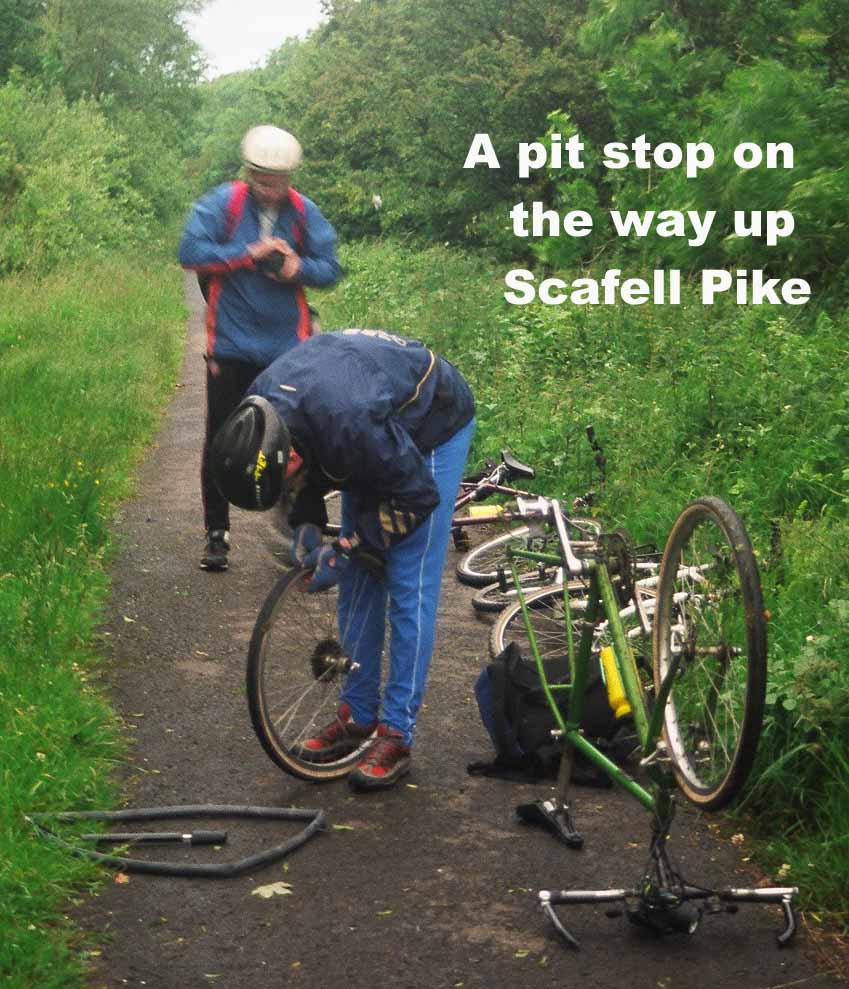
I was ready to go a couple of minutes after the knock on the car roof at 4.30am, although we mirrored my Snowdon experience by immediately heading in the wrong direction. After a sheepish 20 minutes of going around in circles, we found the correct way out of Whitehaven, along an old rail line that had been turned into a cycle path. This demonstrated both signs of urban decay, with various flamboyant sculptures amid council homes with boarded-over windows and burnt-out Cortinas outside. For all that, it was also a perfectly graded and painless route up onto the fells outside Whitehaven.
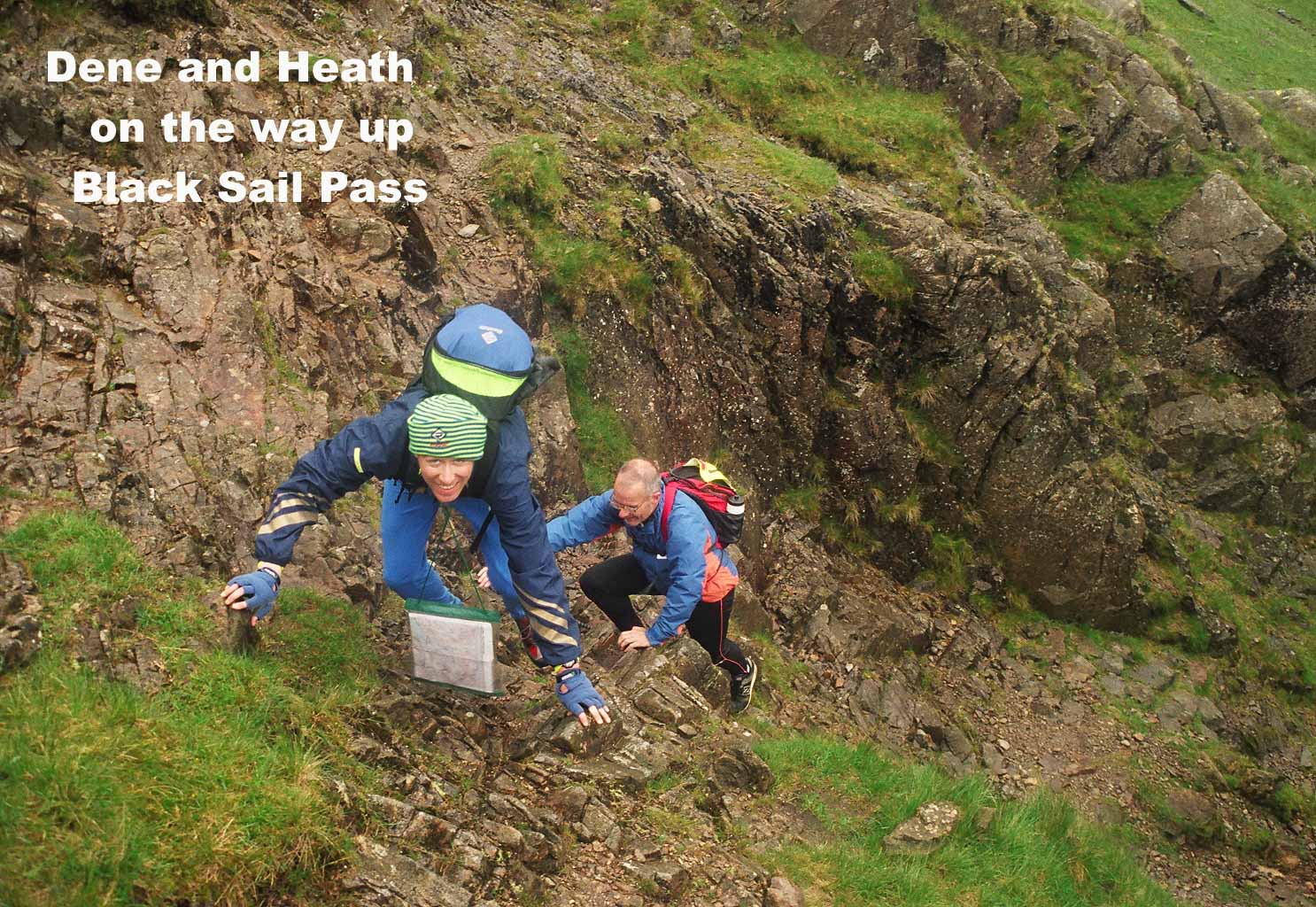
Dene and Heath were equally good value, especially since Heath was only roped into the race a few weeks before when Dene's original running partner found himself double-booked. The pace allowed us to swap the usual life histories, although it was particularly interesting to hear about their experience of life on the yacht. The sea journey had been fast and rough, with the result that sleep was impossible and the best they'd achieved was rest. I was feeling a bit strung out after my bivy nights in the Honda but gained the clear impression that their experience was a notch up on mine.
The rain came and went but the wind was our new constant companion. It was, of course, a headwind and when we finally found ourselves facing the cheery prospect of a steep downhill into Ennerdale Water, the wind began to really take the piss by blasting away with a ferocity that barely allowed us to make headway without pedalling. The forestry plantations beside the lake might have been ugly but at least they mitigated the effects of the wind and we made quick time to the Youth Hostel, where we left the bikes and headed on by foot. The marshalls here told us that there were about 10 teams still out on the mountain and they'd clearly been having a hard time, taking considerably longer than usual to get up Scafell Pike and back. The route was simple enough � up a forestry track, over Black Sail Pass to Wasdale, then up Scafell Pike itself � but the black clouds at the head of the valley made it clear why they were having trouble.
Over the next few hours, we met many of the teams as they headed back and heard tales confirming all we'd suspected. One group hadn't even got as far as Scafell, becoming lost in the dark on Black Sail Pass and ended up bivying until dawn, when they discovered they were only about 40m off the path. It provided simple proof of how much more difficult it would have been in zero visibility and at night. Sally and Paul from Team Kaat also came past � running, of course � but still looking impressively bedraggled.
The route might have been simple in daylight but the effort wasn't and we slogged our way up to the pass in silent gasps. Communication was pretty basic. "Fucking hell!," Heath exclaimed at one point. "What's wrong?" we responded, and were greeted with: "Nothing� just� fucking hell!" as he looked up at the slope still to climb. It summed up the situation remarkably well.
A short wander across the valley floor brought us to the path up Scafell Pike, which was another steady climb up a good path for the first half. Then, just as we reached the cloud level, the route deteriorated into a series of muddy alternatives with a phalanx of confusing and conflicting cairns. The map showed the path as traversing left and then ascending steeply so we followed cairns heading in that direction, only to find them end abruptly on a slope. A quick reconnoitre showed the correct path about 50m above, from which we were soon back on a path only slightly narrower than the M6 motorway. There were a couple of false summits before we arrived at the massive summit cairn, which showed the True Mark of British Summit Veracity by the cracks being stuffed full of lunch wrappers.
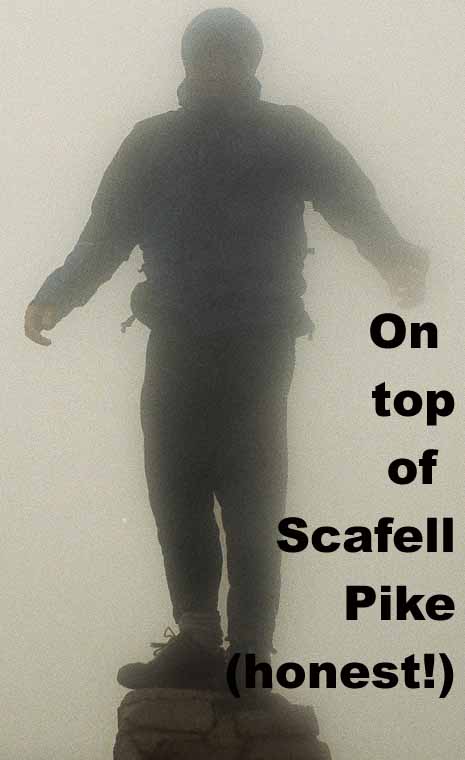
The descent showed a difference, although that was probably as much because of the clumsiness of fatigue creeping in and we were all getting a dose of that. His stumbles were hardly surprising. It was now Monday but Dene and Heath hadn't slept since the previous Friday. We each slotted into a languid pace and chatted away about life and the universe as we worked our way back around Lingmell and down to the Wasdale river flats.
As we headed across back towards the Wasdale road, we met up with Ade and Graham, the runners from Chic Nic and pretty much the only team slower than us. The good thing about our attitude to the race was that we knew we'd have plenty of time to get back to Whitehaven before dark so there was no problems stopping for chat with Ade and Graham, whose philosophy was even more relaxed than our own. They even looked like they were actually enjoying themselves and were resplendently attired in matching T-shirts bearing the team slogan, JFDI, which stood for Just Fucking Do It. We swapped tales of how hard the others would have found the hill in the dark, gave them some tips on how not to make the same navigational blunders we had, then wished each other luck.
A few minutes later, we were back in the Wasdale car park, where we stopped for something to eat and drink while being regaled Rob Haworth's accounts of the first three peaks race. We thought our 48-mile route from Whitehaven was pretty impressive but he told us the original was from Ravenglass and gear failure on his boat meant his runners had had to do it as a multi-day route from Barrow in Furness because that was where the boat's rudder was being repaired.
I also took the chance to call Jill and let her know how I was getting on. She was at work but her voice on the phone sounded oddly distracted, which was explained when she paused then asked: "Didn't you get my email?"
Uh, oh. This doesn't sound good. I said I hadn't been near a computer for a while.
"Ummm, I'm not going to the Pyrenees with you." Hey? Why? The explanation that followed came straight from left field and I was a bit too gobsmacked to respond in any meaningful manner.
By then Dene and Heath were ready to go and couldn't understand why my stated one-minute call was taking considerable longer. They made a we're-heading-on gesture through the glass of the pub's phone booth and set off back up towards Black Sail Pass. By the time I caught up, I was fairly distracted and just hung in behind them for a while. My mood was sufficiently altered that they commented on it, to which I made some throwaway remark about the perfidiousness of women. They didn't respond, either through assent or, more likely, wisely fearing they'd spark a rant on the subject if they asked anything further. Whichever way, we lapsed back into puffing our way up the hill.
There were a few more tiredness-induced slips and slides down the unformed track on the far side of the pass but then we were back on the forestry road, allowing us to walk side by side and continue our previous wide-ranging conversations. This followed the usual themes � the clash of youthful dreams against adult realities, where Heath explained how his years of wanted to be in the air force had come to a sudden stop when he failed a simple but essential test along the way. This led to his new career in a Yorkshire-based bank which had demutualised and become far more money-driven. "Thatcher's bloody Britain" would have been the cry in the old days but such was her legacy on the political landscape that it was Tony Blair perpetuating this policy of dollarcentric Americanisation. This in turn led onto the topic of the stupidly overheated property market, where the average London house cost eight times the average London salary, and just as we'd set the world to rights we arrived at the youth hostel where our bikes were stored.
The ride was impressively leisurely, particularly when we reached the hill that we'd struggled to get down in the head wind earlier that day (in the true nature of all cycling, by this time the wind had swung around and was still a headwind) and slowly walked out bikes to the top. A few more miles of rolling hills and then we hooked onto the cycle path and blasted down the gentle downhill in a slalom between the dog-walking locals back to Whitehaven.
The marshalls, crew, and various others greeted Dene with applause when they realised he was the visually-impaired runner they'd all heard about during the race. The three of us were buzzing from a long and enjoyable day out in the hills, although by now Dene and Heath were showing the effects of not having slept for several days. We swapped the usual pleasantries and vowed to meet up for the finisher's party in Fort William then they headed off for a shower and to sleep on the boat. I headed off to the supermarket to buy some food then began driving north towards Scotland.
I reached as far as beside Loch Lomond, north of Glasgow, before tiredness dictated stopping, a handy layby provided the venue, and the day's travails ensured a deep uninterrupted sleep. From there, the journey to Fort William was a familiar path from the many winter trips here for ice climbing or just fell walking from my London years. And it was raining too, just like 99 per cent of my previous trips here.
After several nights in Chez Honda, I was more than overdue for a night in a backpackers and there was one at Corpach only a few metres from where the yachts pulled in and where all the other crews were staying. The shame was that what it had in terms of location was inversely proportional to the temperament of the pair running it. When I booked in, I explained I was following the three peaks race and tried to chat with the woman about what a boon the competition must be to custom.
"Yes, but we get people who book in and then bring all their friends in to use the facilities without paying," she replied with an accusing look.
That was fair enough. Every other booking connected with the race would have involved several people, making my solitary status seem a little suspect. I explained that I was a New Zealand journalist following the race. She muttered a reply then showed me around the backpackers, which was made up a several independent apartments. I was the only one in my section and my tour ended with a comment from her about not being allowed to have anyone else in there with me unless they were paying, which merely confirming my impression that here was someone who was singularly miscast in any form of employment that involved contact with living creatures of any kind. I always wondered why so many of them ended up in the hospitality I'd already worked out that Willy Ker and the Assent team, who I'd planned to climb Ben Nevis with, were a long way back so I had a long, long shower and washed off the evidence of several days of exertion. I was kicking back, enjoying the unfamiliar comfort of a bed and reading a book an hour or so later when there was a knock on the door. It was Mrs Misanthrope, explaining that, er, an Irish backpacker thought he might have left his GPS in the backpackers. This was a paper thin excuse to look under every bed and behind every door looking for the coterie of freeloaders I was clearly hoarding. She looked like she'd been hoodwinked when it became obvious nobody else was there. I immersed myself back into the book but was disrupted in another hour when Mrs Misanthrope returned, with Mr Misanthrope in tow this time, to resume the search. "What does the GPS look like," I asked, "just so I'll know if I find it." She gave a vague description which was broad enough to cover everything from a Cornflakes packet to a box of matches and then retreated, clearly convinced that I was Up To Something.
To spare myself these hourly inspections, I left Misanthrope Manor and headed into tartanised tourist monstrosity of Fort William. At an internet caf�, I read Jill's email and spent the next hour composing a reply that I hoped would get her to change her mind. This ought to have been cathartic but proved merely to be unsettling, and I wandered back towards the car via the familiar festering haunt of the Nevisport Bar. This was a place where someone had had the truly inspired idea of combining a pub and an outdoor gear shop, with predictable success, and I'd spent a lot of time in here over the years. Besides the obvious activity of quaffing pints and embellishing the day's climbing exploits, another traditional pastime was a semi-competitive race to recognise the faces in the various 1970s and 1980s climbing photographs adorning the walls. This was like a roll call of A-list climbers � Joe Tasker, Pete Boardman, Doug Scott, Nick Estcourt � leading to a sub-ccompetition of working out which ones were still alive. It wasn't many.
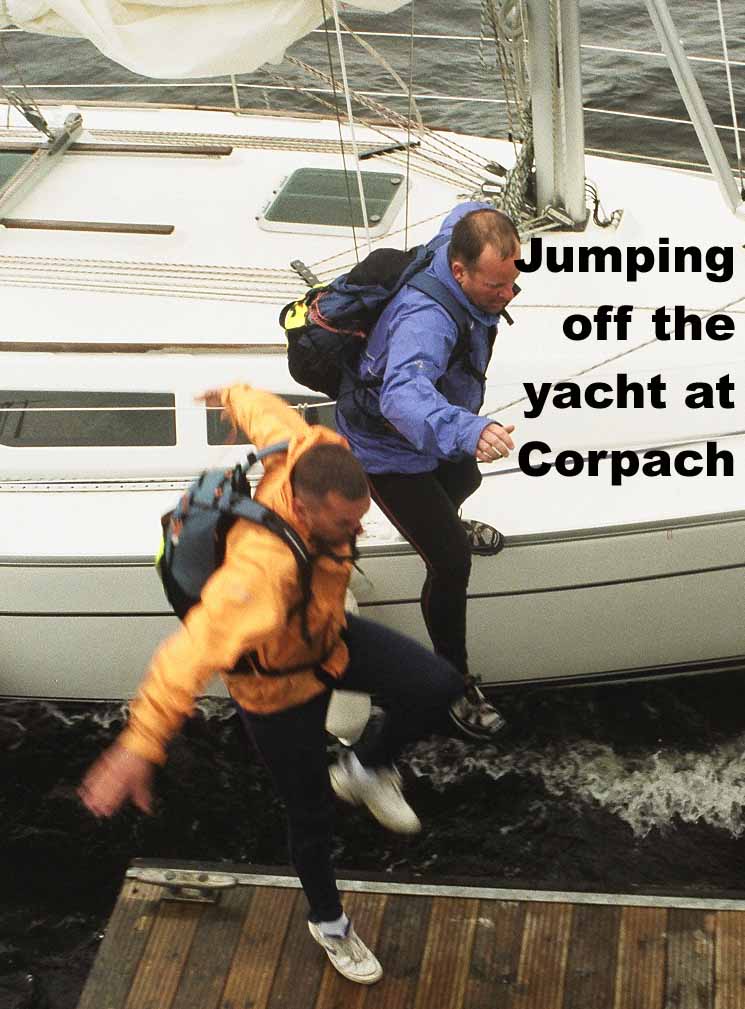
Or at least, that was the plan but like everything else on this trip, fate conspired to add an unexpected twist. By the I woke up the next morning, I found that Assent had arrived in the early hours and they'd set off up the hill. Not just that, but they'd turned back less than an hour from the summit because Willy had become hypothermic and his running mate � Tom, a Skipton GP as well as a KIMM winner � called a halt. (Tom explained to me later that he'd taken a precautionary approach after spending much of the ascent silently phrasing his explanation to a coroner's court why he kept heading up a Britain's highest mountain with a septugenarian in the middle of the night while it sleeted and rained!)
So, they'd ambled back and then woken up one of the other runners asleep on Assent, who had a matter of minutes to get ready and head up the mountain in Willy's place. Oscar Wilde wrote about it being unfortunate to lose one parent but smacking of carelessness to lose two. I'm not sure what it said that I'd not only missed the Assent team heading up the mountain but had managed to do so twice.
They arrived back in good time sometime in mid morning, by which time I'd been happy to move out of Luftstalag Corpach and was ensconced in the Honda on the waterfront, scanning Loch Linnhe for spinnakers and scanning my mind for options on who to head up the mountain with. Dene and Heath on Positive Impact seemed the next best option, although it narrowed the story to only two teams.
There was no movement from either side by lunchtime, so I wandered up through the rain to the phone box outside the Corpach shops and phoned Jill in London. We had a fairly businesslike conversation in which I arranged to remove my stuff from her flat while she was at work on Friday and then to drop the key back. A few minutes later, I was back at my waterside vigil in the Honda when one of the race organisers, Meic Ellis, came by to say that because the weather had transpired to make it such a fast race and people who'd hired yachts wanted to save their hire fees, the end-of-race party was going to be that night.
By 2pm, my mood was about as grey as the weather and there wasn't a spinnaker to be seen on the loch so I packed up and headed off along the tow path towards Ben Nevis. Once again, this was with only a vague idea of what I was planning to do. The main benefit was that at least I was doing something and could retreat in the familiar terrain of physical exertion, as contrasted with the capricious set of rules governing the human heart.
Walking provided, as ever, time for contemplation. For instance, the Ben Nevis run didn't always start from Corpach. It was a bit like the marathon � ever wondered why the marathon is such a precise distance? It was going to be a stock 25 miles at the London Olympics early last century (roughly the distance from Marathon to Athens) until various British royals kept getting the race extended so they could get a better view of it at the start and finish points. So it was here. The start of the summit track in Fort William is so close to the sea that it would only take about 20 minutes of walking to make the normal ascent a sea-to-summit one. But there's not much anchorage there and a film crew who accompanied one of the early races convinced the organisers to start at Corpach because it provided a picturesque view up Ben Nevis in the shot of the runners heading from the boats.
Corpach had featured in The Guardian that day as one of the dingiest bits of the British Isles. (Being the Grauniad, it had only raised that because it was running a story on the remarkable art gallery a teacher had set up at the school. If it had been the Daily Mail, the story would have featured a screaming headline about Corpach being the breeding ground for Britain's worst hooligans/refugees/dole cheats according to the prejudice du jour.) I didn't see the art gallery but I did see Corpach and it was best described as being the housing equivalent of an endlessly replicating computer virus.
It was eventually left behind and a series of Zen direction choices brought me to the Glen Nevis road, another familiar sight over the years. The Youth Hostel is a couple of miles up the road and has been the scene of various minor epics as youths who have dined not wisely but too well on Tartan Special struggle to make it back before curfew. For me, the road was fine and the scenery impressive, especially when walking pace allowed it to be taken in at leisure.
There was a new interpretation centre at the start of the path up the Ben � in my day, there was only a muddy stile � and a couple of teenagers chatting amiably as they stood up to their thighs in the distinctly chilly river. "Ice recovery," they explained as I walked past and I thought that the closest I'd ever get to ice recovery is a cold pint of Speights.
From there, the path is a steady grind up the side of the hill. It was originally a pony track but the pace and style is best described by the fact that they used to drive a car up here when they used to have the permanently staffed weather station on the summit. Don Whillans even rode his motorbike up here once for a bet. I slotted into uphill mode easily enough and was soon back into the familiar balance of pushing along at the limits of respiration and lactic acid. All the landmarks gradually wound by � the slope I'd telemarked off with my brother one particularly snowy New Years Eve in 1990, the turnoff to the lochan that gave access to the North Face routes I'd done through the mid-1990s and then the zigzags that began along the flanks towards the top.
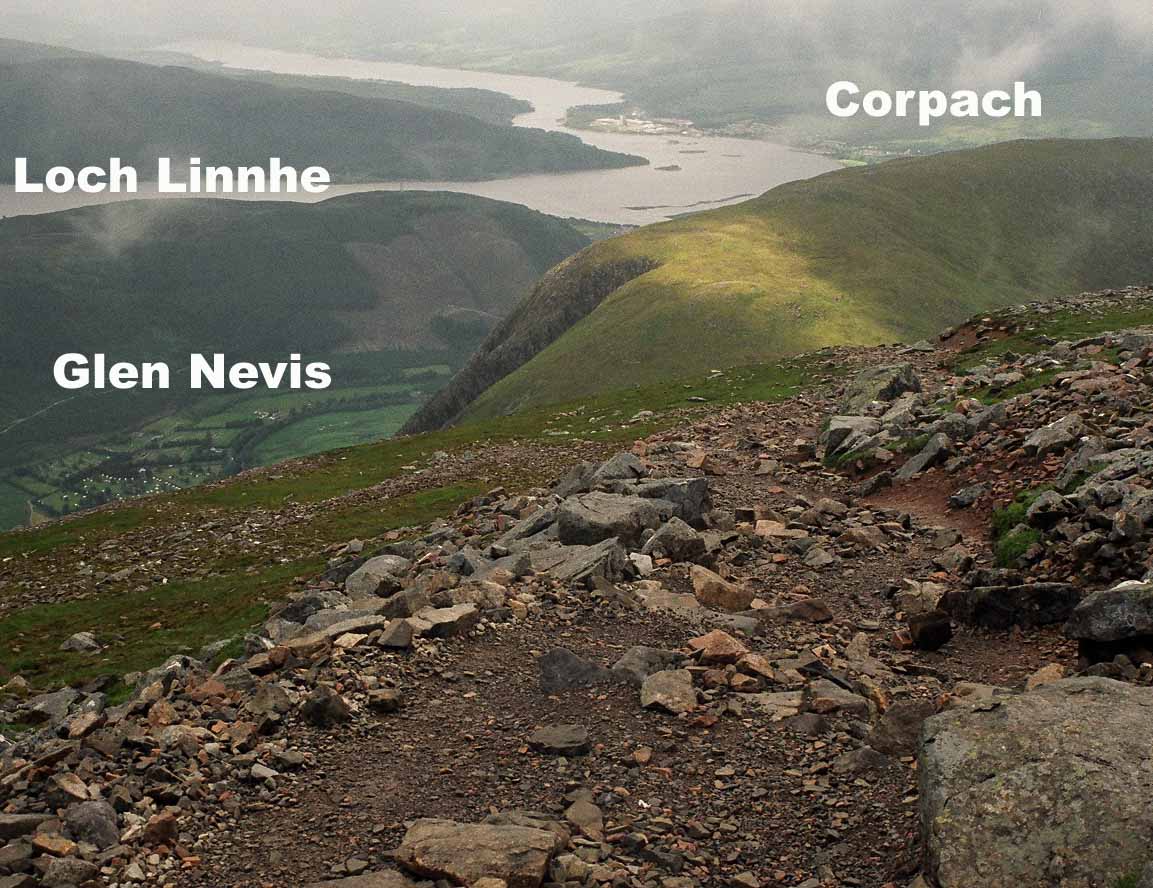
A quick geography lesson: the summit massif of the Ben looks a bit like a Christmas pudding attacked by a ninja, with the result that if you're climbing the north face routes, you're on front points and two tools one moment and then the next you're suddenly standing on the vast flat expanse of the summit plateau. The experience isn't as dramatic when you come up on the walking path, as I was doing for the first time of the many ascents of the Ben I'd made, but it was still bit odd. Besides the ruins of the weather station, the two high points were the massive summit cairn and a matching bivouac shelter on a stone plinth.
Even if there wasn't a summit cairn, you'd know you were at the top by the vast collection of memorial plaques that began to appear, glued or bolted to any pebble big enough to support them. Some were for hillwalkers who'd died in five finger gully, an easy mistake to make on the way down in the mist. Others were for climbers who'd died on north face routes. Others were simply people who'd climbed it in the past and others were up here seemingly only because it was the highest point in Britain. There were a few other people kicking about but I climbed the cairn, patted the top and then headed down.
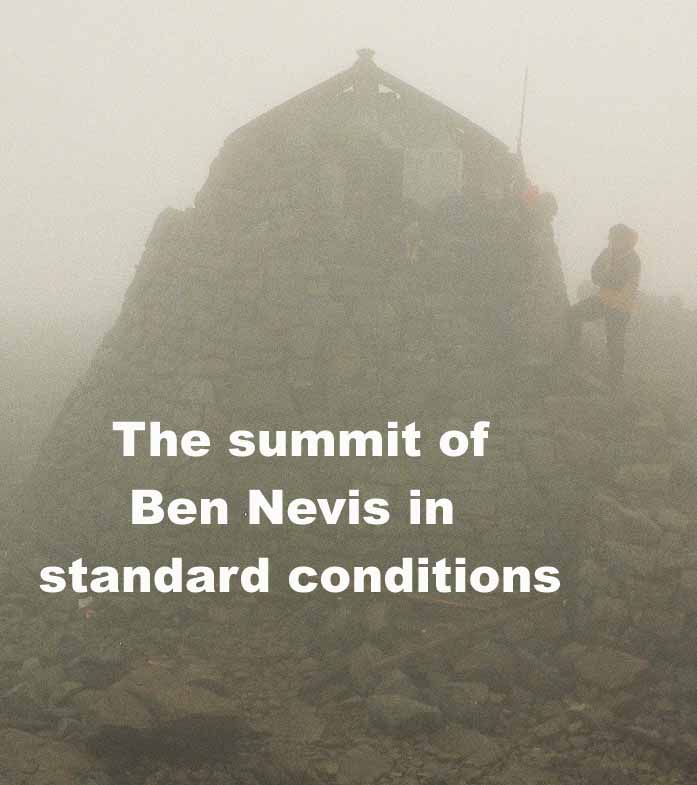
The rest of the walk flew past and I followed the route that headed through the back of a grotty industrial estate and then to Corpach, which managed the impressive task of seeming like a step down from the industrial estate. Then it was onto the tow path and a gentle walk back to the flotilla of three peaks yachts. It was about 7.30pm � my womble up the Ben had taken about five and a half hours � and I headed straight to the finishing party at another industrial site which proved to be even grottier than Corpach.
Everything improved when I arrived inside. Almost all the teams were there (an unspoken race rule was that the party took precedence over ascending the Ben) and in varying states from looking semi-conscious to merely disheveled. A couple of pints later, I'd done the rounds of people I knew to catch up on their race.
Sally and Paul were there from Team Kaat, although I initially didn't recognise them when they appeared dressed in normal clothes rather looking like drowned rats cloaked in Goretex.
They explained that our Snowdon experience had proved to be typical. They did Scafell in the dark, leaving the summit just as it got light, and then arrived at Corpach at 8pm, ensuring they also did the highest bits of Ben Nevis in the short night of a Scottish midsummer.
And not just the dark, as Paul explained: " It took 7h15m from there up to the peak and back. We missed a track and it took 45 minutes to find it again as we went back and forward. It was pouring � it was diabolical and it was hitting us in the face with force 10 to 12 winds. Absolutely diabolical � the higher we got, the worse it got. We couldn't do much. We wanted to get off the mountain and get back down."
Combine that with a total of 15 hours sleep since the start of the race and the yacht race was considerably harder than what I was doing.
Dene and Heath appeared soon after, looking like they'd barely stopped sweating after the Ben Nevis run. They were both beaming, though, and I asked about them doing the race again.
Dene looked at me as if I'd suggested he have sex with a warthog. "The answer is no, not ever. But if you ask me in a couple of days� there'd have to be some training and I'd investigate the future�" And I knew he was hooked, just as those who took part in the first race back in 1977 had bee. Like a game a chess, that's how Rob Haworth described it. There's always something you can do to improve your performance.
The night was subdued and short because everyone was so knackered but by the time it had ended, I'd spoken to most people and arranged to give Tom, the runner from Assent, a lift down to Cumbria. We left at 5am and Tom proved to be an amiable companion as we swapped the usual tales of life but he probably wished he hadn't projected his GP's professional empathy because I unburdened myself after the romantic ructions of the past week. He might have been wishing to be anywhere else than in the confines of the car as I spouted forth on the well-traversed topics of female vacillation but if he did, he hid it admirably behind a professional veneer. Well, that or was facing the prospect of jumping out of the car at 80mph. I'm sure he contemplated it.
The rest of the drive was no problem � or as little a problem as the perennial motorway works allows and I arrived back at Jill's Bloomsbury flat at about 3pm. It didn't take long to collect the stuff I'd left there then rang her at work to say I'd drop the key off there.
She sounded distracted again but that was understandable in the circumstances. Then she said: "Didn't you get my email?"
Uh-oh, this was sounding a little too familiar. I said I hadn't.
"I've changed my mind. I want to go to the Pyrenees with you." And she then explained the source of the previous few days vacillations.
So we went walking in the Pyrenees. And had a great time.