The way some historians talk about the
early days of the automobile you would think that there were no other choices then
gasoline at the very beginning. It may surprise you that the most popular cars at the beginning of
the previous century were electric
vehicles, and that not
until the 1920s did internal combustion engines become
dominant in personal transportation.
Steam powered vehicles were very sophisticated machines by 1906 and
electric vehicles were the most
practical vehicle on the road; being quiet, not requiring cranking or
warm up, not overheating or
requiring water, not
smelling bad and much more. Internal
combustion engines vehicles were noisy, vibrated terribly, produced
noxious fumes and smoky exhaust, they could brake your arm with the
hand crank, they overheated and broke down so often that they required
a mechanic to ride along if you wanted to get anywhere. Internal
combustion
engines did not win in the market place because it was superior technology, because it was not. So why did gasoline win out?
Historically,
the ICE was a difficult technology, not ready for prime
time as steam and electricity were. True
improvements did not arrive until 1904.
Even those improvements still
made ICE cars just passable as a most basic personal mode of transportation. In this study I explore the
real reasons for dominance of the internal combustion engine over its seemingly superior electric
competition.
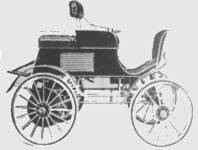 Electric
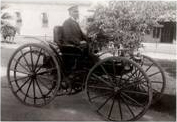 Steam
Steam
 Gasoline