BARTENDER'S NOTEBOOK
|
| BARTENDER'S NOTEBOOK |
HOME | TAVERN NEWS | TAVERN GALLERY | OTHER BARS | TAVERN'S LAYOUT | PRIVATE BAR | BARTENDER'S NOTEBOOK |

|

|
The War beneath the War |
As the world expected,The United States of America unleased its war against Iraq, despite the objections the UN Security Council and without the approval of the United Nations. The USA once more defy the global authority on its unilateral against a fellow nation under the pretense that it is a threat to global peace and order. Once more, the USA is acting like the global cop, policing the world, weilding its monstrous military machinery and brandishing its arsenal. This time, US President George "Dubya" Bush is restarting the conflict his father originated. However, this time around, the US is hell bent on toppling El Saddam of the streets of Baghdad. The reason for this conflict is complicated and goes as far as the US-Iraq relation. Nevertheless, the effects and repercussions of this war is devastating and long-term and nature. It is important for us to know that beyond the carnage of men and women, and the destruction of properties, this war will take its toll on Mother Nature.
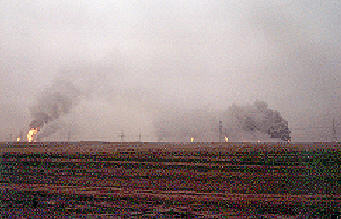
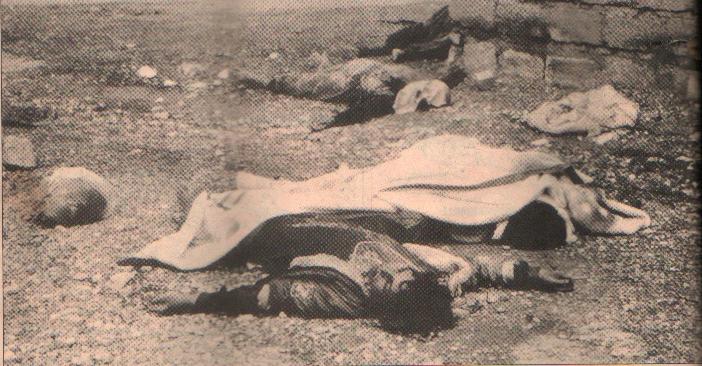
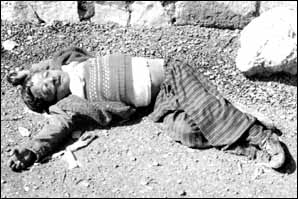
During the last Gulf war, thousands of oil fields were blown up with millions of barrels of oil spilling into the desert biome. These oil killed various flora and fauna thriving in the desert environment. Iraqi troops blew up oil fields in Kuwait and in the process unleashed millions of gases such as CO, CO2, methane and many noxious chemicals in the atmosphere. It took 7 months for firemen and other personnel to clean up the fields and stop the fire but the damage it brought will take as long as decades, perhaps centuries before it becomes normal again. This war will prove to be another environmental tragedy in a making. It is important to assess both players i.e. Iraq and the USA, records during conflicts. The Iraqis: Poor Man's Solution During its war on attrition against neighbor Iran, the Iraqis gassed Iranian troops to stop its human wave attacks and give time for the Iraqi retreat. It is no secret that Iraq possessed a variety of chemical and biological weapon such as anthrax, VX and the dreaded mustard gas. These weapons were Iraq's last resort during that war. Allegedly, these chemicals were developed with the help of American technology as aid for its campaign against Iran. In the late 80's, Iraq once more used chemical weapons in its apparent attempt to quell a rebellion in its norther region. The northern part of Iraq is home to millions of Kurds and in 1989, Iraq gassed numbers of Kurds civilians in an effort to stop the uprising.
Using this weapons are against humanitarian laws and the Geneva Convention . The Iraqis see this as apparent mere tools in subduing people without discerning its devastating impact against life, flora and fauna, and the environment. Chemical attacks linger and stay in the air. Its effects are long-term and can also affect wildlife. Iraqi raids against the Kurds wrecked havoc in the fertile nortern region of Iraq. God knows what happened to the few precious creatures during those attacks. The United States of America: Ain't a Saint Either The USA has a long history of destructive wars. This is due to their habit of bombing nations into the stone age. The USA possess the most massive bombs and missile in its armory. Who can forget the massive nuclear mushroom cloud that wiped out Hiroshima? Although already unnecessary (The Japanese forces then were already spent), the US used the explosion to show its dominance and its victory. The massive nuclear assault destroyed the whole city of Hiroshima, including wildlife and plant life. Nuclear radiation lingered for decades.
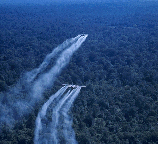
In its war against North Vietnam, the US armed forces used "daisy cutters" to carve out landing points in the deep jungle. "Daisy cutters" wiped out various trees and animals in the jungles of Annam. American warplanes also used napalm bombs that burned Vietnam's forests to the ground. The US military used the toxic defoliant Agent O range to stop the growth of rice, Vietnam's staple food. These actions brought hunger and sickness among the Vietnamese people and virtually wiped the life from Mother Nature During the first Gulf War, US forces used depleted uranium sabots in its arsenal to stop Iraqi armory. THe radiation from this armament brought untold sickness in the Iraqi frontline and caused long-term radiation in the desert. There's always Hope It is gloomy in the horizon. So far, the Iraqis blew up 7 oil fields and damage has been minimal. However, experts agree that the real fighting hasn't yet begun. Nevertheless, it is important to believe that there is always hope. Although the USA defied the world in its apparent quest to relieve itself of its fear and insecurity, there is hope that this war will quench the tension in the gulf once Se�or Saddam is off the Baghdad throne. Many people expect that the US will win the war. Let's hope that it's not in the expense of blood |
HOME |
|
COPYRIGHT 2002 |