 |
|
|
|
|
|
|
|
|
|
|
|
|
|
|
|
|
|
|
|
|
|
|
|
|
|
|
|
| How are Tornadoes Formed? |
|
|
|
 |
|
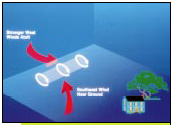
| Beginning phase: |
|
|
|
|
Changing winds create a horizontal wind tunnel before an actual thunderstorm forms. |
|
|
|
|
|
|
|
|
 |
|
|
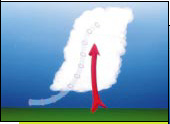
Phase two: |
|
|
|
|
|
Wind from the thunderstorm causes the horizontal wind tunnel to turn vertical. |
|
|
|
|
|
|
|
|
 |
|
|
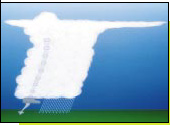
Phase three: |
|
|
|
|
|
Increasing winds from within the vertical wind tunnel creates even more powerful cycles which thrust it towards land. |
|
|
|
|
|
|
|
|
 |
|
|
|
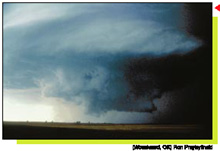
The wall clouds of a thunderstorm hide the tornado until it has reached enough speed to reach land usually without rainfall. |
|
|
Phase four: |
|
|
|
|
|
|
|
|
|
|
 |
|
|
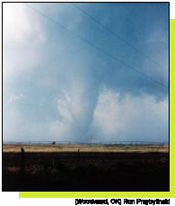
Full Tornado: |
|
|
|
|
|
Along with large hail, rain and strong straight-line air gusts, the tornado has reached enough speed to start it's path of destruction. |
|
|
|
|
|
|