
|
Cancer occurs when cells continue to grow and divide and do not die when they should. Cancer cells can damage or destroy nearby tissues and can metastasize (spread) to distant parts of the body through the bloodstream or lymphatic system. - 13% of deaths are caused by cancer. - 45% of men have a chance at getting cancer in a lifetime. - 41% of women have a chance at getting cancer in a lifetime. - 500,000 deaths a year are caused by cancer. - It is the second leading cause of deaths in America. - About 50% of people who get cancer die. [x] Cancer: Question and Answers [x]Cancer Fact Sheet [x] Cancer - Wikipedia [x] Uterine and Cervical Cancer [x] Uterine Cancer [x] MedicineNet.com [x] Medem:Medical Library: Endometrial Hyperplasia [x] PAXcam Digital Microscope Camera - Uterine Cancer [x] Live Surgery by Marc Possover M.D. [x] Endometrial Cancer Homepage [x] MedlinePlus Medical Encyclopedia: Endometrial Cancer [x] Uterine Cancer [x] Endometrial Adenocarcinoma |
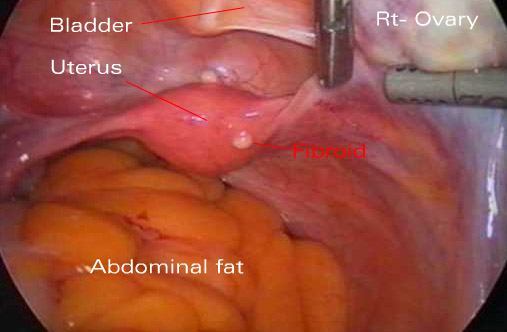
Uterine (YOO-te-rin) and cervical (SER-vi-kal) cancers are two cancers that occur in the reproductive tract of women. The womb or uterus is the hollow, pear-shaped organ where a baby grows during a woman's pregnancy. Though uterine cancer's cause is unknown, there are many factors that will put a woman at risk, including: over age 50, endometrial hyperplasia, using hormone replacement therapy, obesity, using tamoxifen, being Caucasian, having colorectal cancer. Symptoms of cancer of the uterus (endometrial cancer) include abnormal vaginal bleeding, painful urination, painful intercourse, and pelvic pain. Treatment depends on staging and may include radiation therapy or hormone therapy. The term uterine cancer may refer to one of several different types of cancer which occur in the uterus. These include: Endometrial cancers Endometrial carcinomas originate from cells in the glands of the endometrium (uterine lining). These include the common and readily treatable well-differentiated endometrioid adenocarcinoma, as well as the more aggressive uterine papillary serous carcinoma and uterine clear-cell carcinoma. Endometrial stromal sarcomas originate from the connective tissues of the endometrium, and are far less common than endometrial carcinomas Malignant mixed m�llerian tumors are rare endometrial tumors which show both glandular (carcinomatous) and stromal (sarcomatous) differentiation - their true cell of origin is unknown. Cervical cancer arises from the transitional zone of the cervix, the lower portion of the uterus which lies at the upper aspect of the vagina Sarcomas of the myometrium, or muscular layer of the uterus, are most commonly leiomyosarcomas. Uterine fibroids are non-cancerous smooth muscle tumors which are vastly more common than sarcomas. - Pelvic Exam - Pap Test - Transvaginal Ultrasound - Biopsy |
-Age women over 50 are at a high risk. -Endometrial hyperplasia the risk of uterine cancer is higher if a woman has endometrial hyperplasia (a condition that occurs when the lining of the uterus (endometrium) grows too much. It is a benign (not cancer) condition). -Hormone replacement therapy a therapy used to treat women with osteoperosis, control menopause symptoms and reduce the risk of heart disease or stroke. -Obesity women with higher fat content can hold higher amounts of estrogen and high amounts of estrogen can cause uterine cancer. -Tamoxifan women taking this drug also have a higher risk. -Race white women have a higher chance than african-american women. -Colorectal cancer women who have inherited Colorectal cancer also have a high risk. Stage IA tumor is limited to the endometrium. Stage IB invasion of less than half the myometrium. Stage IC invasion of more than half the myometrium. Stage IIA endocervical glandular involvement only. Stage IIB cervical stromal invasion. Stage IIIA tumor invades serosa or adnexa, or malignant peritoneal cytology. Stage IIIB vaginal metastasis. Stage IIIC metastasis to pelvic or para-aortic lymph nodes. Stage IVA invasion of the bladder or bowel. Stage IVB distant metastasis, including intraabdominal or inguinal lymph nodes. |

 |
        |
  |