Here are some pictures that I have collected over the years that might interest you. Some are of accidents that should never have happened and some are just cool flying machines. The pictures also follow my career in aviation to some extent. I will rotate these images from time to time in the interest of preventing boredom. Many thanks to Landings.Com and the Webmaster at AvAnimations.avsupport.com for the links, animations and pictures.
ALL VISITORS PLEASE NOTE!! The following graphics are Please do not use for commercial purposes and do not charge for them. Ownership remains with the respective copyright holder.
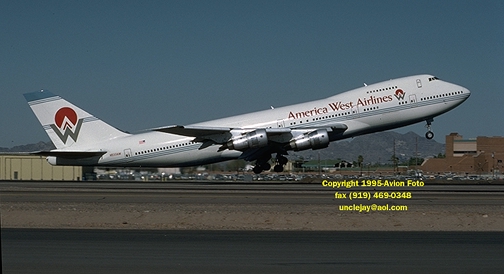
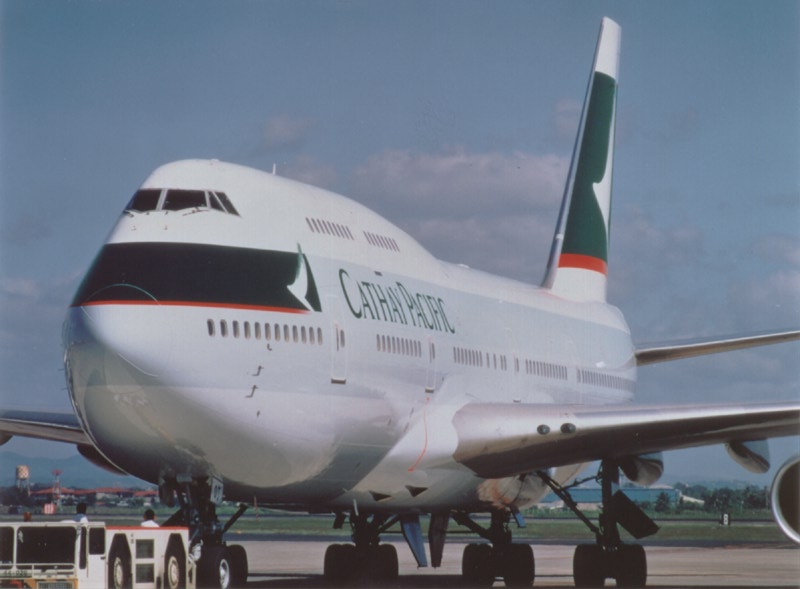
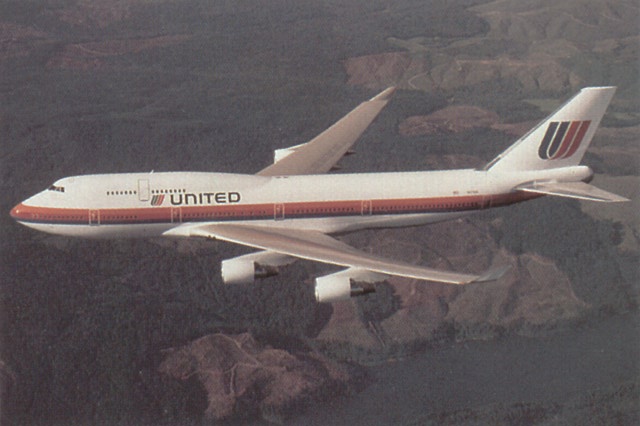
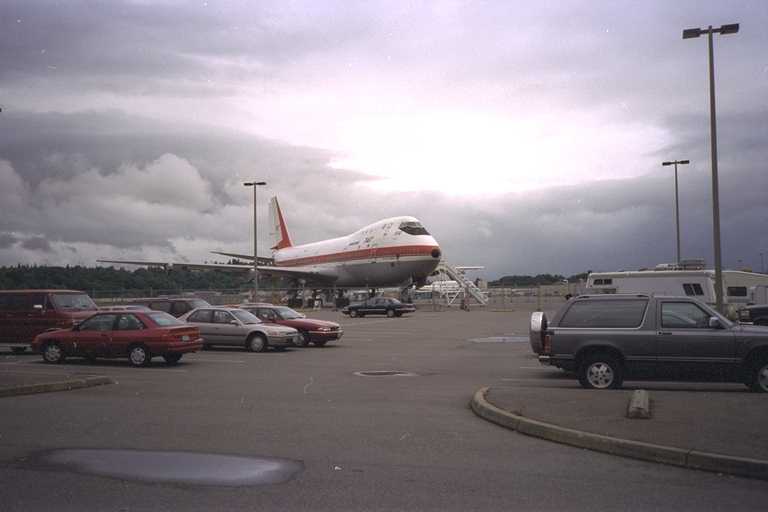

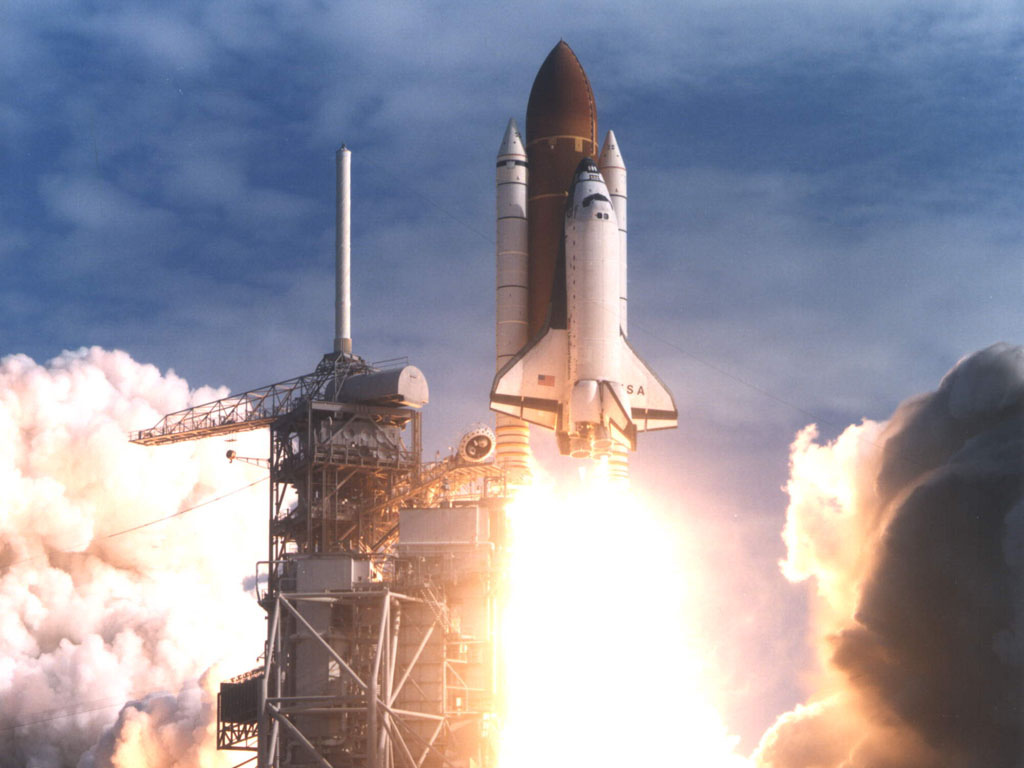
From 1990 to 1993 I was a Senior Technical Writer with MACDAC in Long beach on the MD-11 program. A group of us, who were contractors at the time, whipped out the first MD-11 Maintenance Manual (Don't laugh-we paid dearly for it later). My first written ATA Chapter was Equipment and Furnishings where I wrote Removal/Install procedures for the Flight Compartment seats (Yeah, it's all my fault). About 95% of the procedures were taken from the DC-10 AMM. When I later became what is called a "hard badge" (actual MACDAC employee), I wrote the chapters for the Water/Waste, Doors and Nacelles/Pylons. I was specifically involved in the MD-11 Combi (Alitalia's). If any of you currently work on MD-11's all I can say is: We were on a VERY tight schedule, okay! When MCDonnell-Douglas dropped the MD-12 program, a whole load of people were laid off, myself included. Oh well, that's show biz. Unfortunately, we all realized that the writing was on the wall and TQMS would turn out to mean "Time To Quit and Move to Seattle".
The MD-11 is not "a big DC-10" as many have claimed it is. It flies much different than the 10, owing to it's different wing and smaller horizontal stabilizer. If you get behind the power curve on this aircraft, you will get into trouble REAL fast. Overall, I feel it is one of the best aircraft in service today, in spite of it's early range and performance problems, especially if you fly cargo long distances. It has some of the cleanest lines of any aircraft ever made, in fact, almost sensuous.
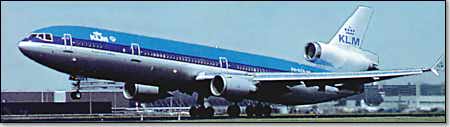
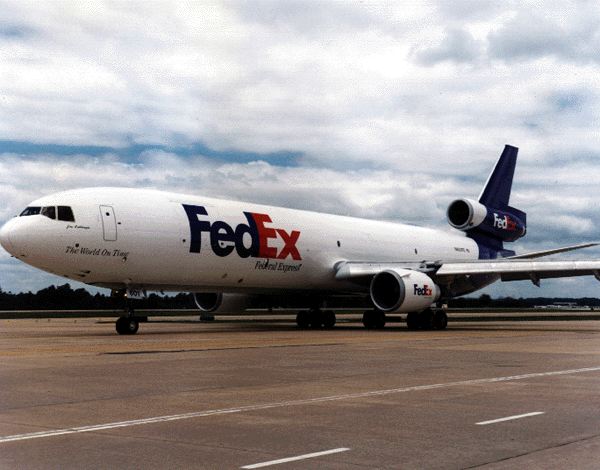
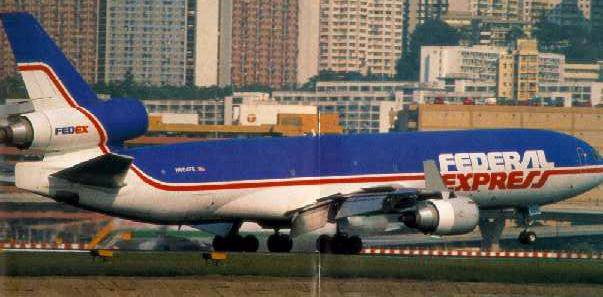 <
<
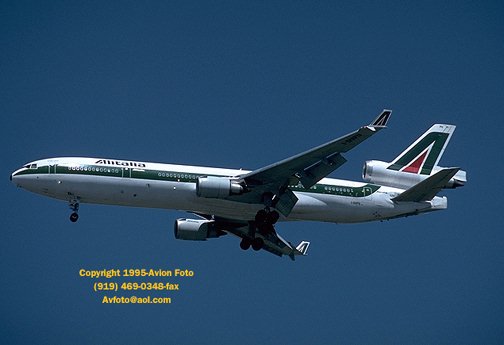
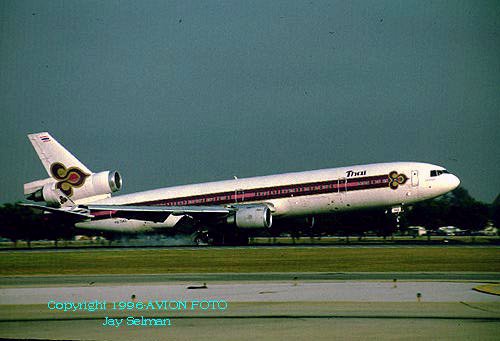
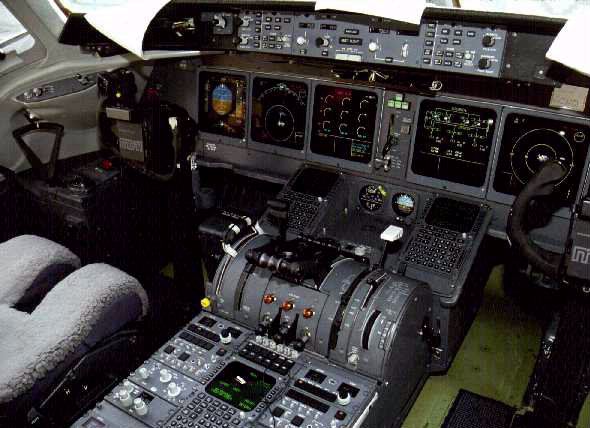
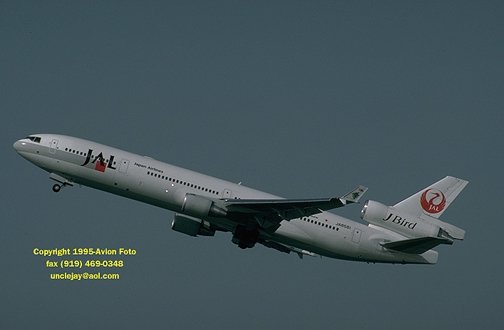
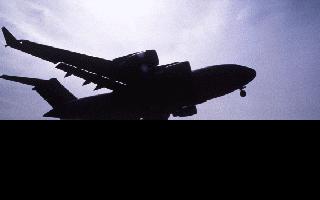
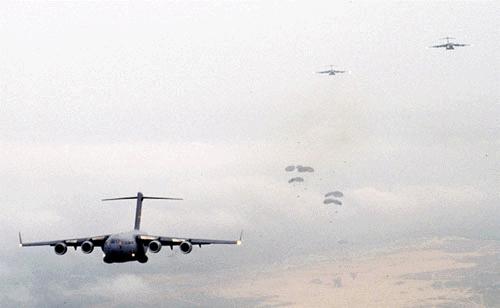
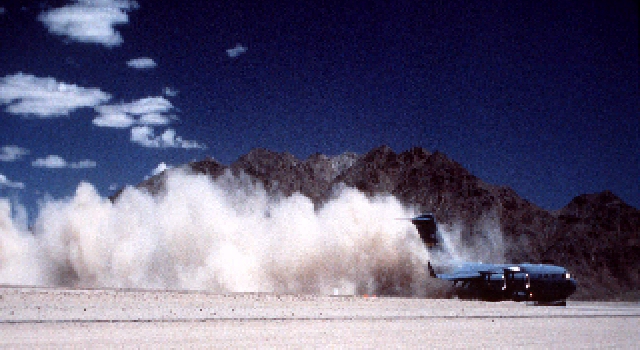
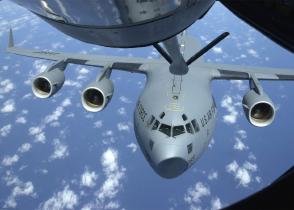
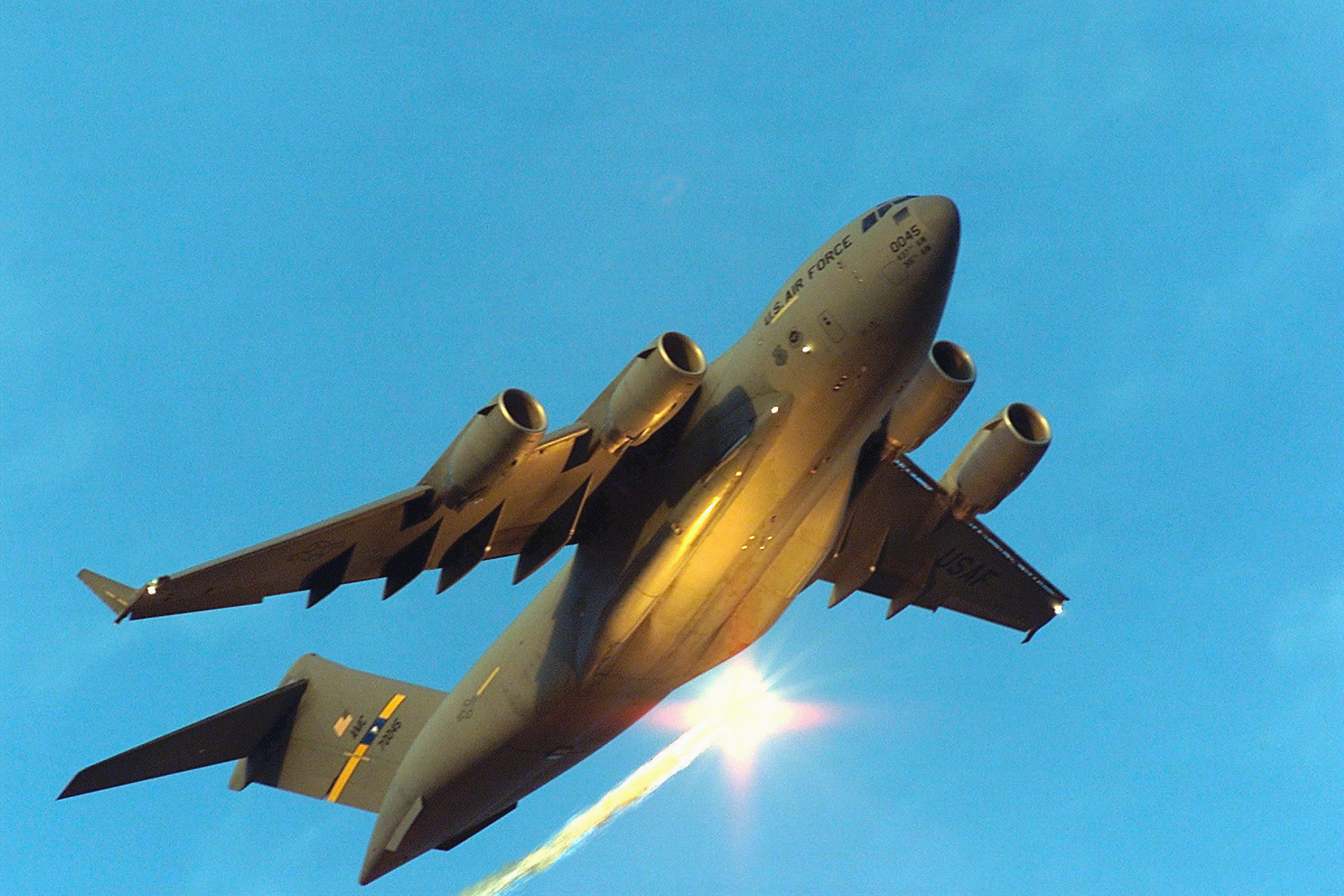
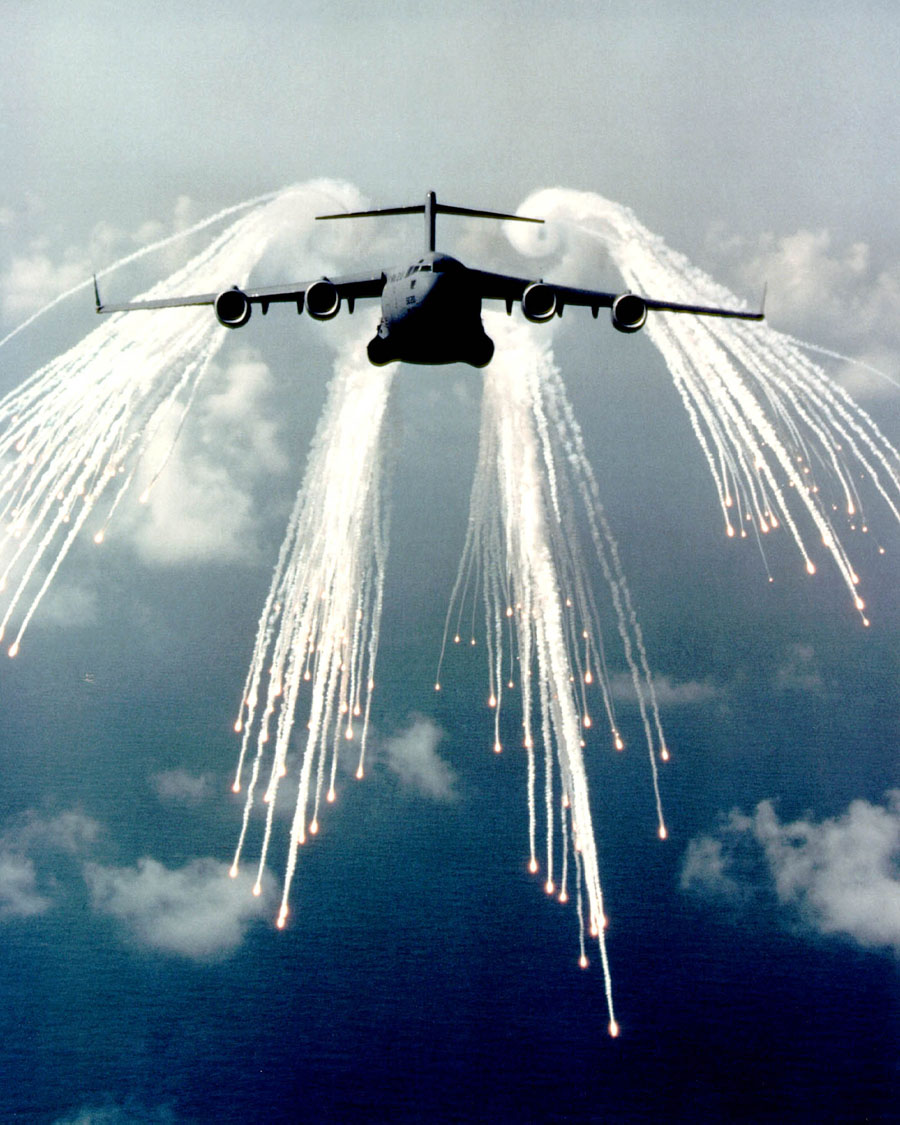
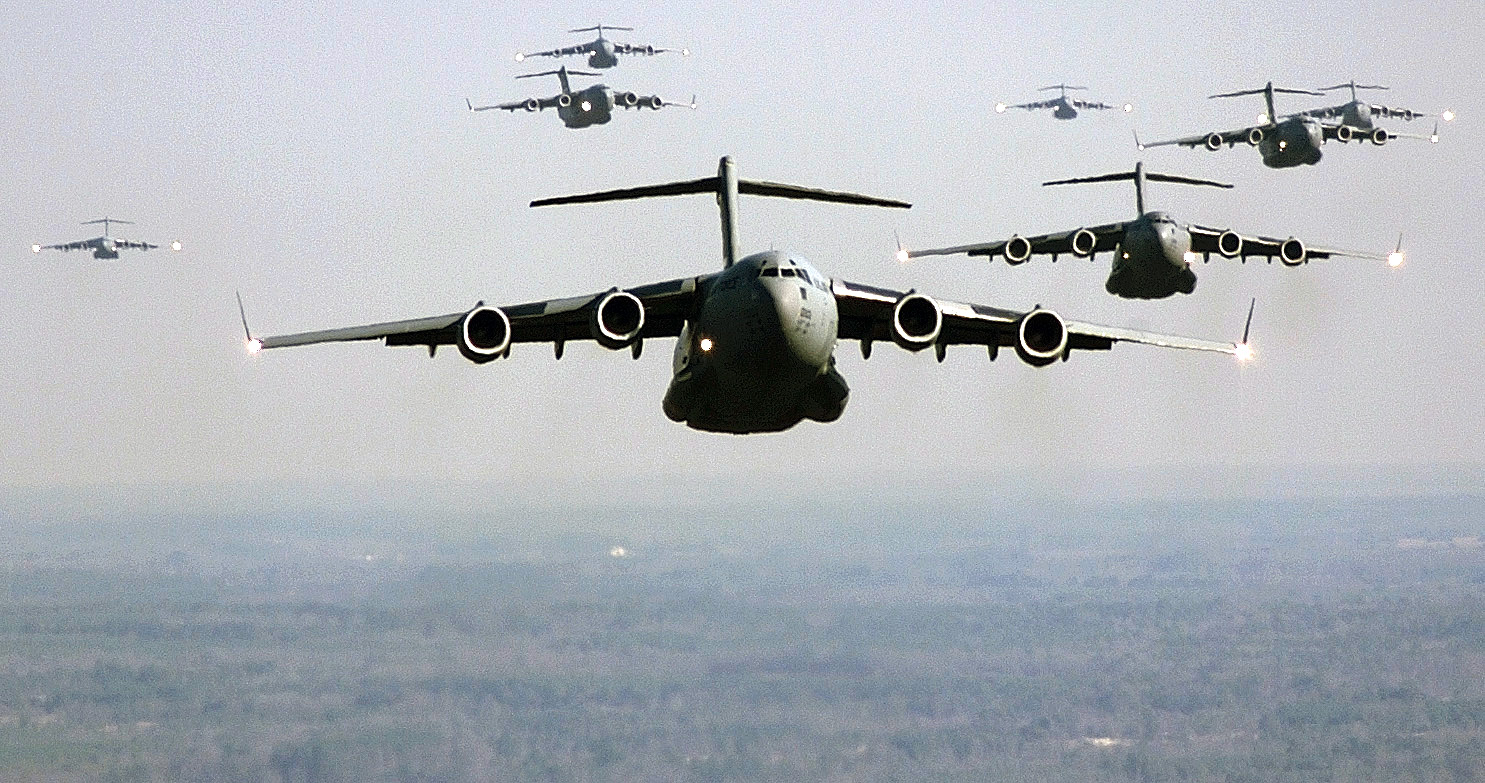
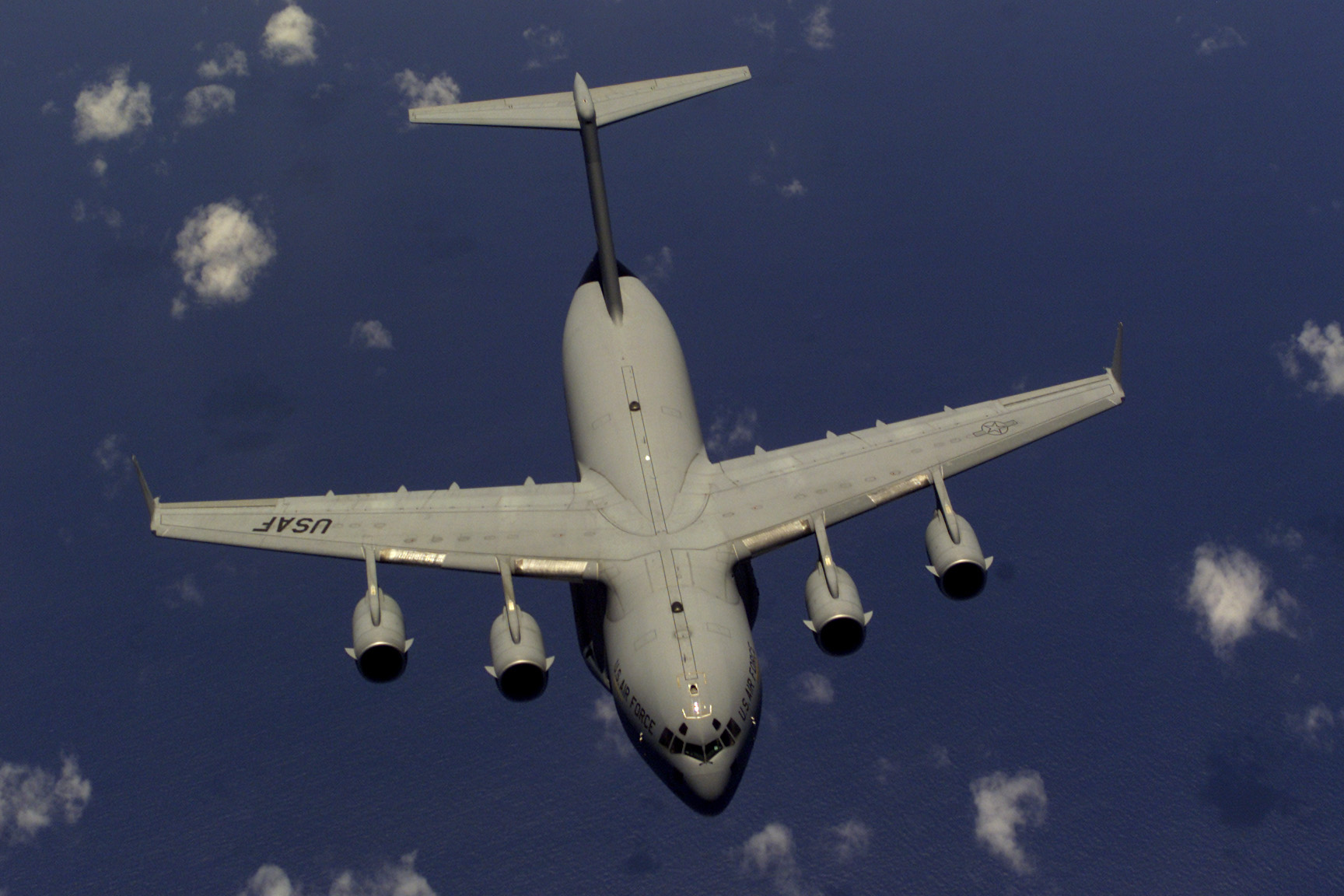
While I was at McDonnell-Douglas in the early 90's, I had an opportunity to witness aviation history in the making. MACDAC Technical Publications (Tech Pubs) was, at the time housed in Building 84. Bldg 84 was also the home of the C-17 GlobemasterIII. I saw the first several aircraft take shape right before my eyes. Putting together an aircraft is a phenomenon in itself but the C-17 construction was amazing. I can tell you firsthand that this plane is built like a brick Sh**house with wings. During lunch, I would walk around the final assembly hangar with my mouth open, facinated by what I saw before me. The wings were manufactured on the South side of Building 84, then put on a huge transporter and carried next door in the north bay. There, all of the components were put together. I was there for the first engine runs (same engines that power the B-757) and taxi tests. I was also there the day the test jig wing broke at only 96% of it's design load. You could hear it snap all the way across the field. This caused a major upset in the production, test and design team. It was shortly thereafter that what wings were left in the jigs were modified accordingly. I was also there the day the aircraft first flew in September, 1992. I don't even think it used up 2,000 ft of runway. This aircraft has done some pretty amazing things since that first flight and I rank it as one my favorites. Poetry in flight-with a vengence.(Some photos courtesy of USAF)
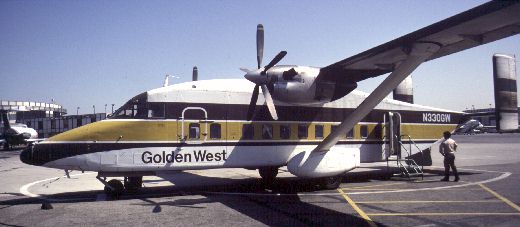
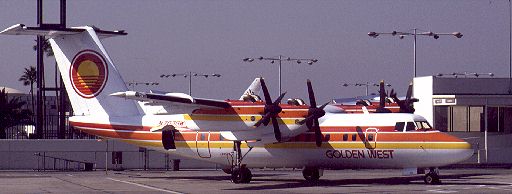
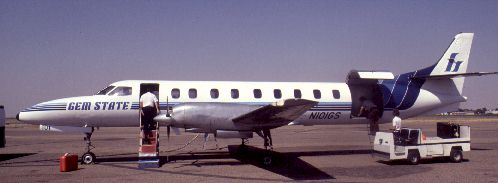
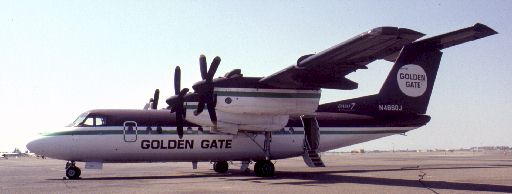
I worked for Golden West Airlines as a Maintenance Supervisor at LAX from 1979 to 1981 and later for Golden Gate Airlines in Monterey, California. GG folded right out from under all of us on August 21, 1981. Management blamed it on the PATCO strike. We blamed it on bad management. Golden West collapsed in 1983 but later came back as a charter carrier and is doing quite well I hear. Being in charge of 30+ union mechanics at Golden West wore me out. I was inexperienced but eager to please. The whole mess drove me to drink. I learned a lesson from both situations: Never work for any airline named "Golden" anything. Here are some pictures.

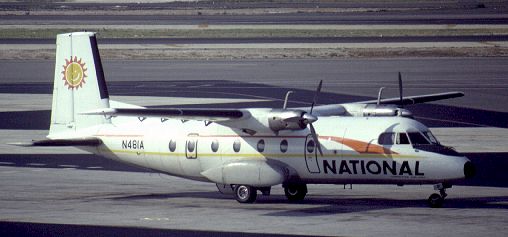
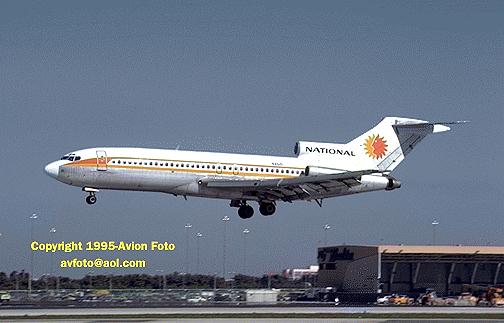
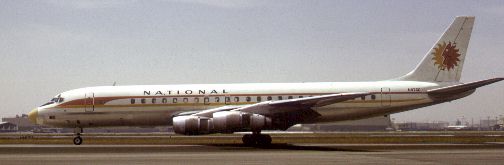
I have a soft spot in my heart for National Airlines. It was a brand new National 727-100 that landed at Pensacola's Hagler field in 1968 that turned me on to aviation maintenance. I snuck out onto the ramp and checked it out up close. A few years later, I worked for National's ramp contractor service (ASI) at LAX as a ramp agent and fueler. It was my first job on the ramp of a busy airport. During that job, I met a man named Ray Carter, a National mechanic who later became my mentor. It was Ray that encouraged me to enter A&P school and follow through with the proper training. In fact, he gave me my first job as a mechanic in 1974 at Whiteman Airpark in California, in the San Fernando Valley. Ray later died in a plane crash near Saugus, California in 1977. Pan American bought National in the late 70's and screwed everything up. Thus ended one of the oldest airlines in the United States. I proudly present this collection of National's aircraft.
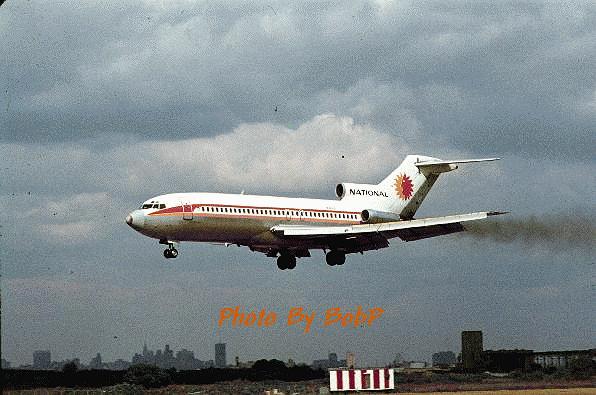
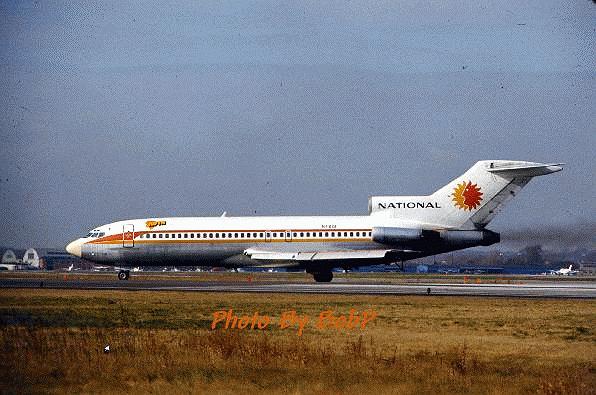
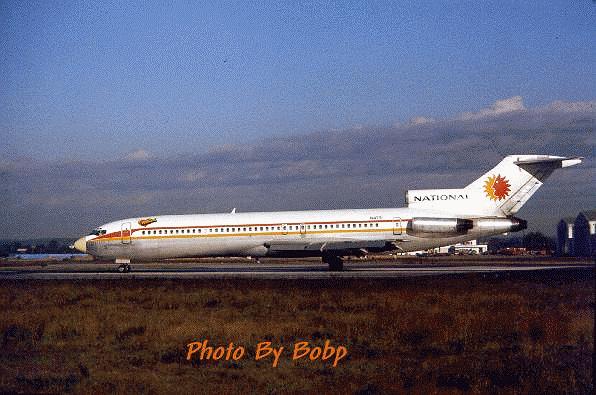
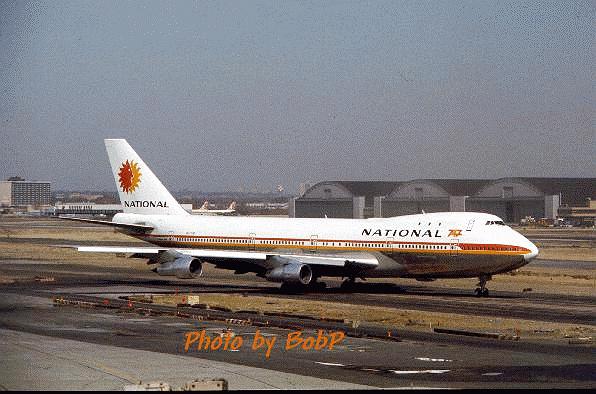
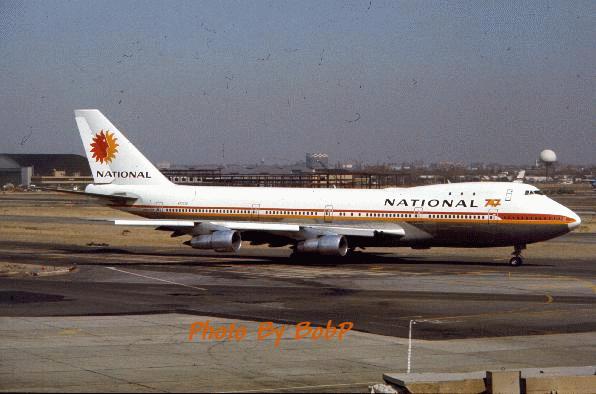
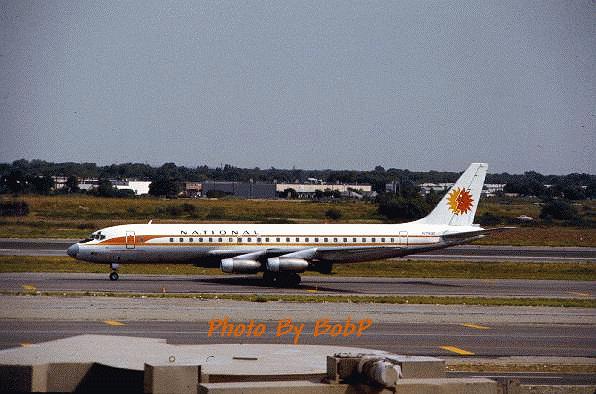
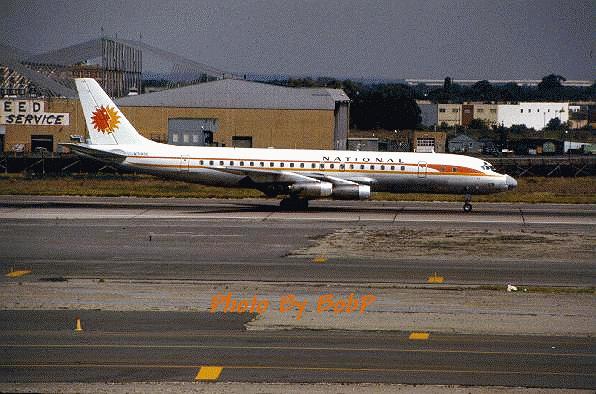
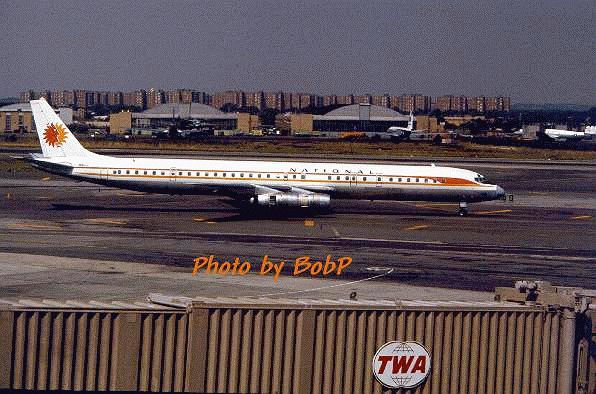
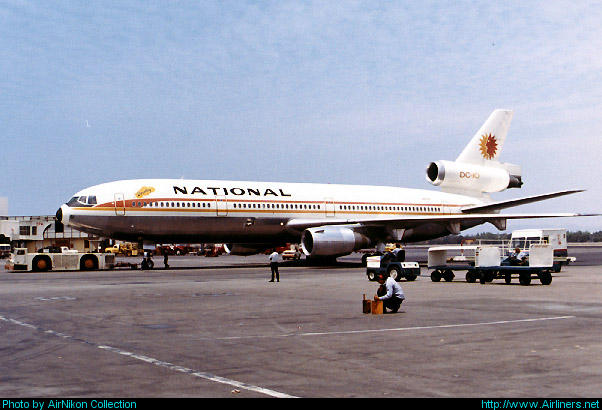
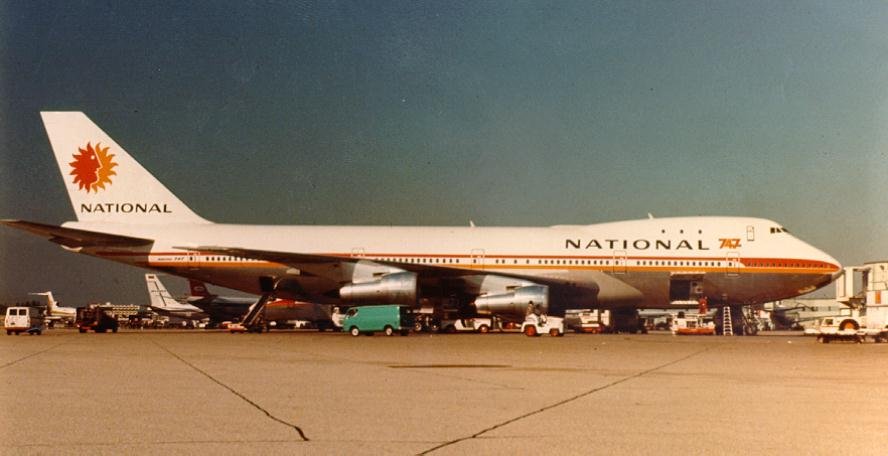
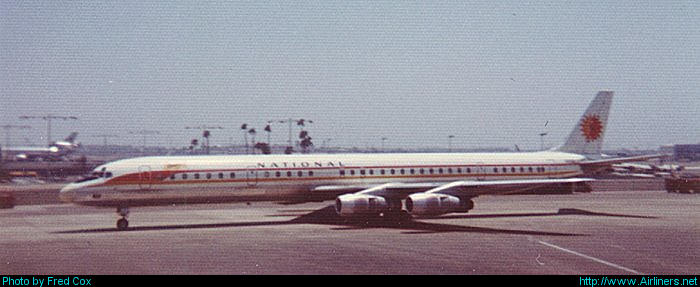
I've also always had a soft spot for National's Flight Attendants. The thought of them running around in PanAm's stuffy blue uniforms with the funny hat always bugged me after the merger. It was a stark contrast to National's earth tones and sunny colors. To me, they were National Airlines (Hi....I'm Carol...Fly Me). A few National Flight Attendants have a great web site. Just click on the banner below.

The "official" National Airlines website is Here