The Origins
One can trace back the origins of the church of Jesus of Nazareth to
the second half of the nineteenth century when three Valletta born brothers,
who were priests, spent their summer vacations at a residence on the Strand in
Sliema. Rev Horatio, Rev Andrew and Rev Peter Paul Borg said Mass and
received Confessions in a ground-floor room of the house numbered 14 in Marina
Tigne’ Street; which room they had converted into a private chapel. The
three pious gentlemen, noticing that the congregation was ever increasing, not
only wished to fulfil better their duties but also endeavoured to provide more
space to the faithful. With the intent to build a larger church in the
neighbourhood, in St Anne Square to be precise, they sought the required
permission from the Military Engineer as the surroundings had been declared a
"Military Clearance Area"; yet permission was refused.
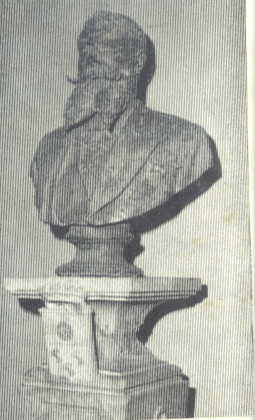
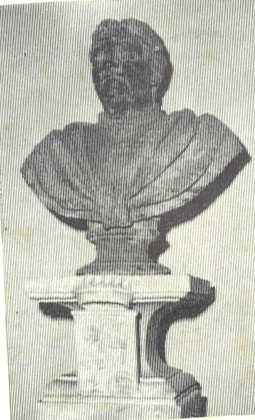
The brothers were inherited by their niece Victoria Borg, born in
Valletta and living in Sliema. Victoria was married to the noble Carlo
Ermolao Zimmermann Barbaro of the Marquis of St George, son of Gustav, born in
Tarxien and living at Rabat. The noble couple, aware of the sacred wish
of the three priests, held on to the custom of having Masses said in the same
private chapel, and even obtained permission from Rome for the faithful to
fulfil their obligations on Sundays and Holydays by having Masses celebrated on
such festas. The nobles also endeavoured to satisfy the other desire of
the brothers. They resolved to build a church demolishing two
houses on their own landed property.
The inscription on the foundation stone of the church reveals the noble
Carlo Ermolao Zimmermann Barbaro of the Marquis of St George, Cavalier of the
Order of Jerusalem, and his wife Victoria Borg founding a temple dedicated to
Jesus of Nazareth at the time and in memory of the fiftieth anniversary
of the episcopate of Pope Leo XIII . The writing goes on to state that
Archbishop Peter Pace, Bishop of these Islands, blessed and laid the foundation
stone on 5 April 1893 assisted by Canons John Buhagiar and Aloysius Farrugia in
the presence of the architect Francis Wettinger, the stone mason Charles
Dingli, the clerics, and the people.