| |

|
The
Dolphins Page
(There are a lot of pictures so this page may take while to load,
but the animated pictures are worth it)
The Dolphin Research Institute does some really cool things for dolphins.
I sponsor a Dolphin from the DRI.
See if you can support Dolphins as well as just loving them by clicking on the DRI Logo.

|

|



|
 |
The
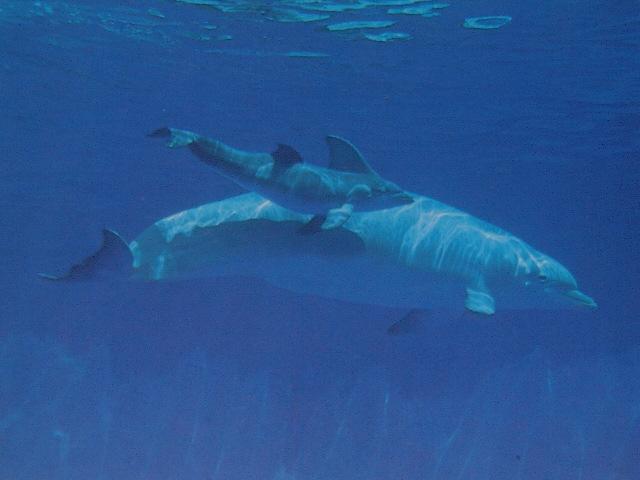
young bottlenose dolphin will stay with its mother for at least a year,
feeding on milk at first, and then gradually learning about different
types of food by tasting scraps she leaves behind. Once mature it will
stay in the same school. |
 |
Common
dolphins in the sea of Cortez, Mexico, have sought out the warmer waters
of the southern winter, which takes place between July and November. |
 |
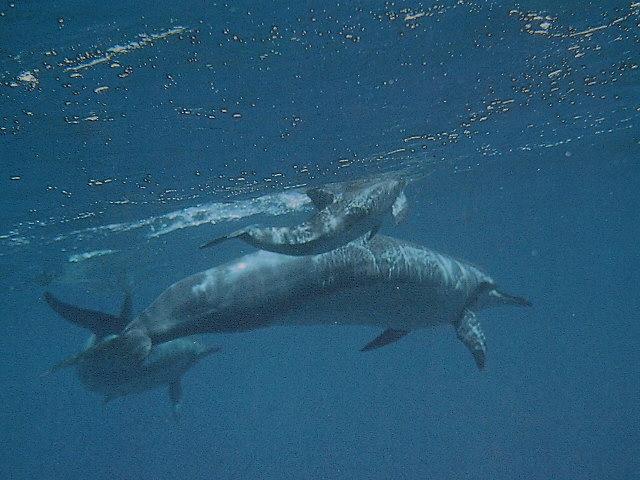
Female
spinner dolphins give birth to a calf every second or third year after a
long gestation period, and they suckle their young for at least seven
months. Adult spinner dolphins feed at night on fish and squid that rise
to the surface when darkness falls. |
 |
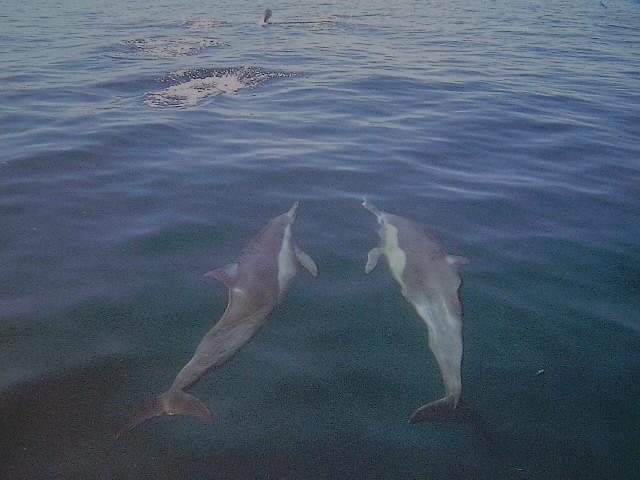
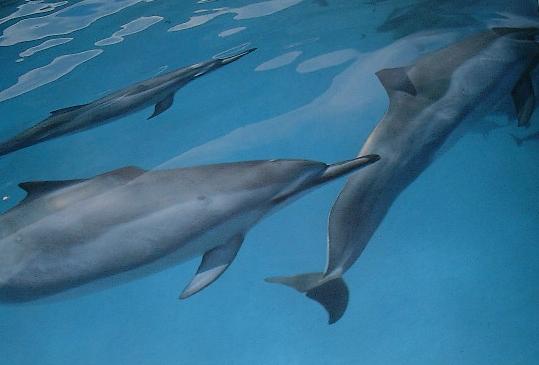
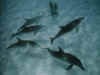
Photographed
underwater, a pair of common dolphins swim together off the coast of
Mexico. They are no doubt part of a larger group that feeds
cooperatively. |
 |
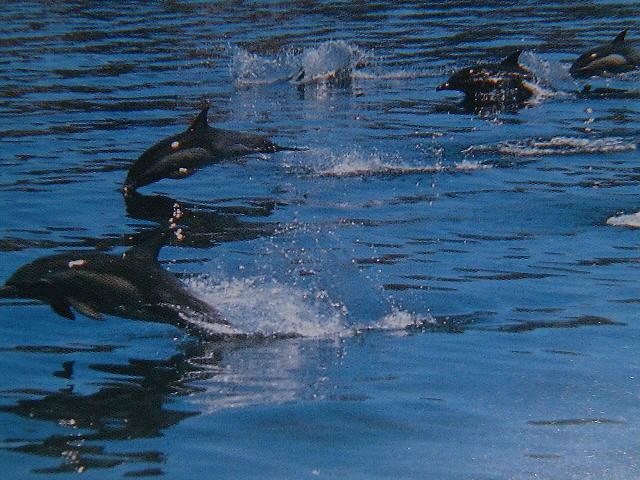
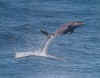
Common
dolphins are very fast swimmers and when they decide to race a vessel only
the fastest boat can keep up with them, and they can easily out-manoeuvre
a boat with quick twists and turns. They often leap clear of the water
showing off the colourful marking on their flanks. |
 |
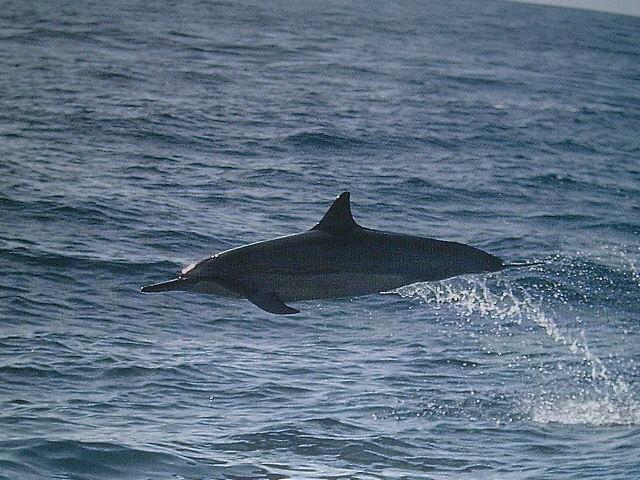
The
striking silhouette of the long-beaked spinner dolphin, with its long
snout and triangular dorsal fin, makes it easy to recognise when seen from
a ship. This playful creature may repeat the leaps and spins over and over
again and be joined by hundreds of others as well. |
 |
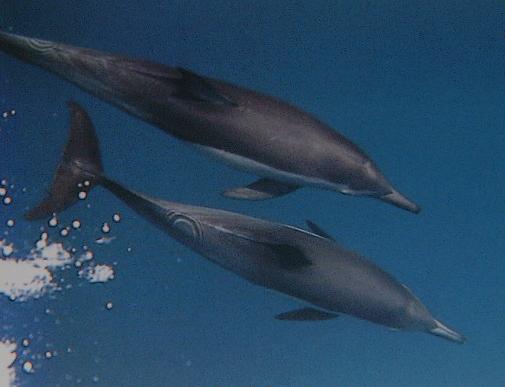
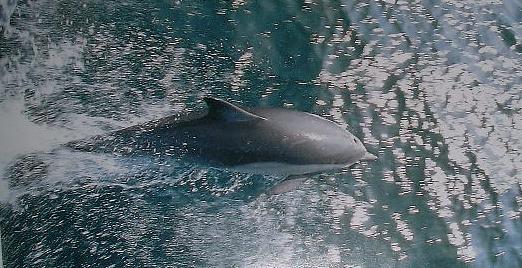
Remarkably
agile, common dolphins appear to race each other through Pacific waters. |
 |
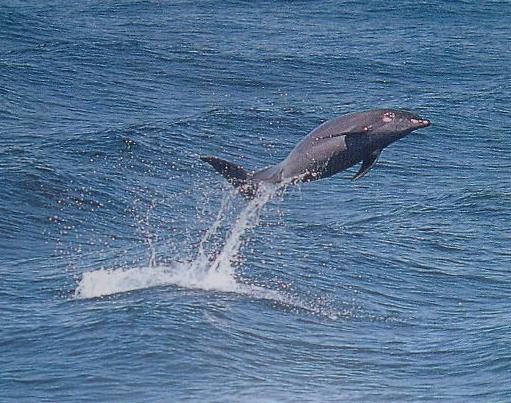
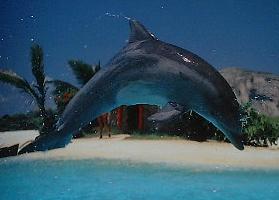
Bottlenose
dolphins are very playful creatures and will often leap clear of the
water. If trained in a dolphinarium, they will do this in response to a
signal, or perhaps in return for a reward of food, but in the open sea
they do this at will, possibly just for fun. |
 |
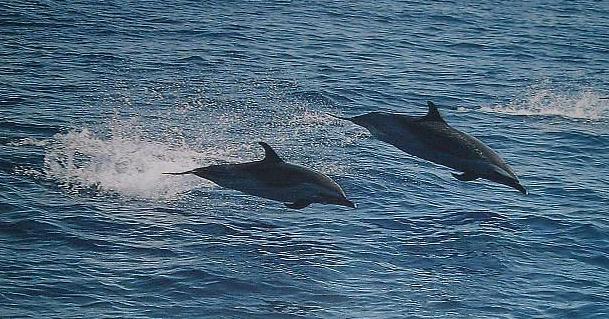
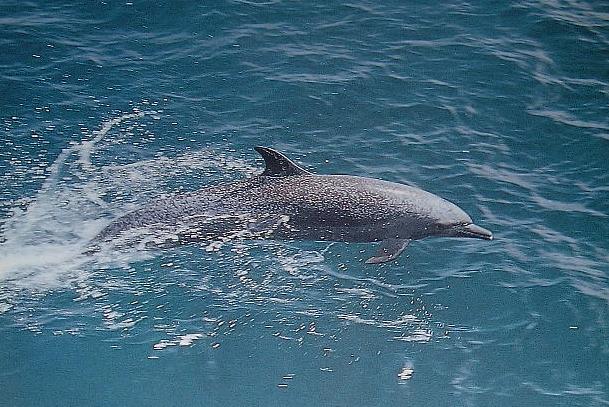
Spotted
dolphins are very acrobatic, often leaping completely clear of the water.
They may do this for play or in escape from predators like large sharks or
killer whales. |
 |
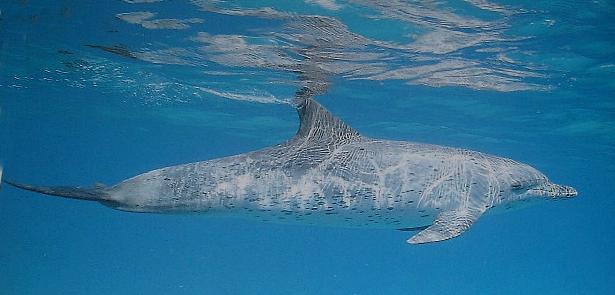
The
streamlined body of the spotted dolphin indicates that it is a powerful
and fast swimmer, chasing fast-moving prey in the open sea. Its spotted
markings vary in different parts of its range and with the age of the
dolphin. |
 |
Engaged
in vocalising a series of sounds that are part of the complex system of
dolphin communication, this animal appears to be laughing. |
 |
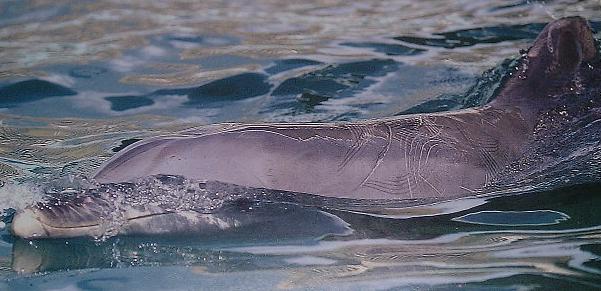
The
bodies of whales and dolphins, like this bottle-nosed dolphin, are often
covered with scars and scratches. These may be the result of
encounters with predators like sharks or killer whales, or the results of
fights between rivals of the same species. |
 |
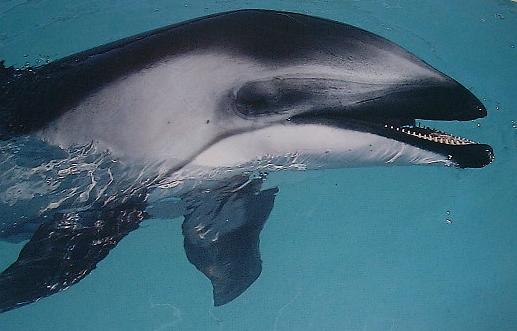
The
Pacific whitesided dolphin has up to 28 small pointed teeth, typical of
all the dolphins, in each jaw which it uses to help it feed on squid,
anchovies, and hake. |
 |
The
long-beaked spinner dolphin is found in the warmer parts of the eastern
Pacific Ocean, where it sometimes occurs in schools of over one thousand
and can provide one of the most exciting spectacles for travellers at sea. |
 |
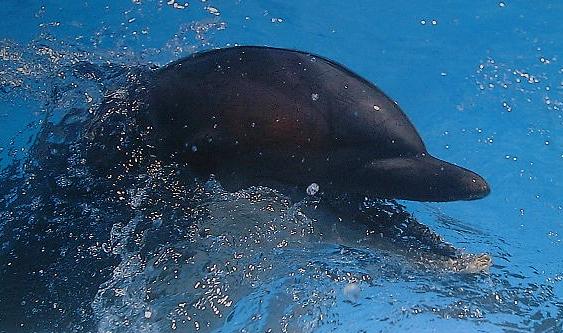
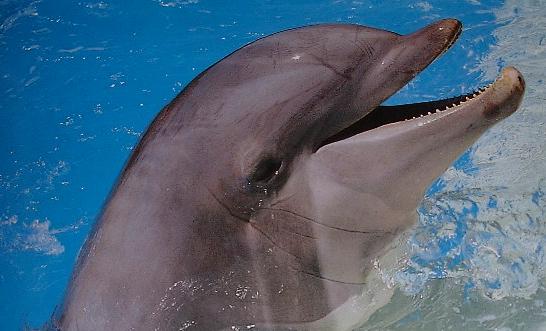
The
bottle-nosed dolphin has a pronounced snout and a set of pointed teeth,
ideal for capturing the fish and squid it may find by echo-location. |
 |
Common
dolphins sometimes come to a boat to bow-ride, and this gives a clear view
of the streamlined shape. Seen from above they look all dark, but if
they roll to one side the stripes on their flanks show more clearly.
This grey colouring maybe a form of camouflage, useful in the open sea. |
 |
Spotted
dolphins have a varied diet, feeding on several species of fish and
squid. They usually hunt in groups, causing their prey to bunch
together by attacking from all sides. |
 |
The
bottle-nosed dolphin is among the unfortunate species that can become
accidentally entangled in fisherman's nets. |
 |
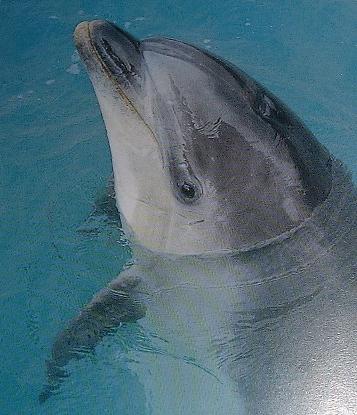
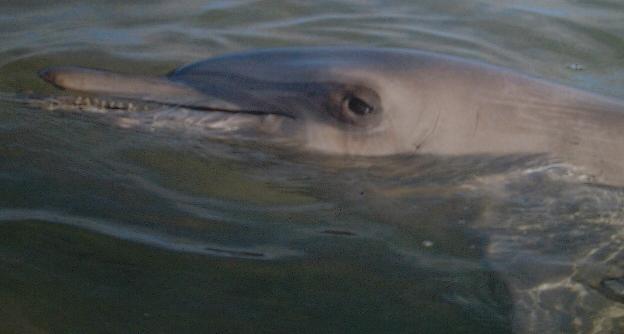
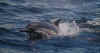
This
bottlenose dolphin is checking out the view above the water. |
 |
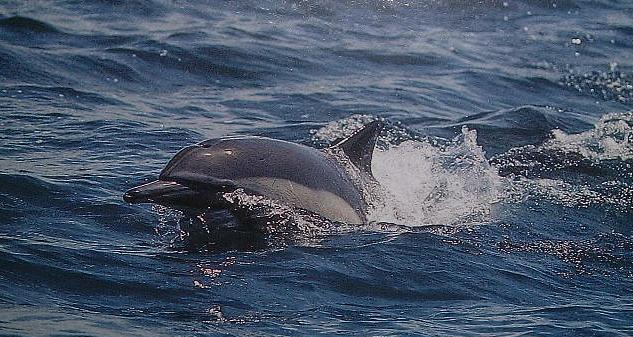
When
it breaks the surface, the pointed snout and the stripes flanks of the
common dolphin are clearly visible. The blowhole opens for it to
breathe, but, unlike the large whales, there is not visible vapour from
the blow. |
 |
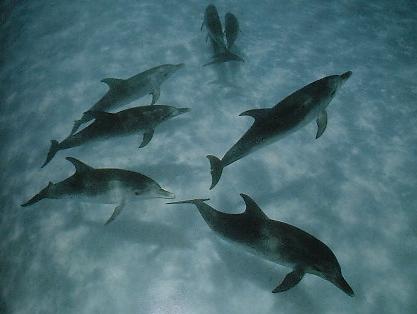
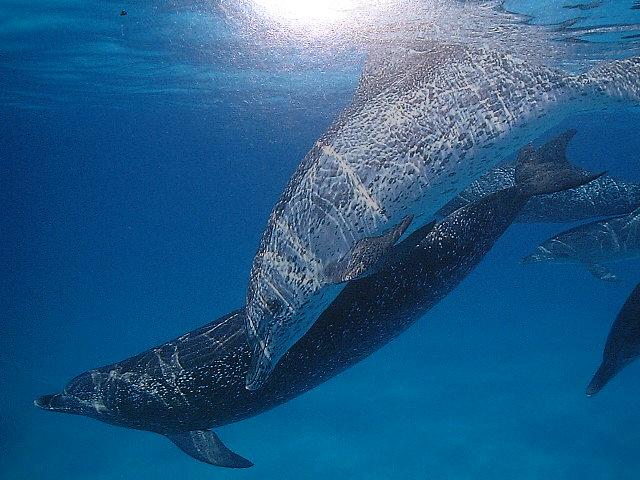
A
small group of spotted dolphins in the waters off the Bahamas seeks out
fish. If the water is clear like this, they can easily see their
prey, but at night or in cloudy water, they find it by echo-location. |
 |
Dolphins
always seem ready to interact with humans, and their complex language and
apparent intelligence have long been the subject of study. |