One paragraph summary of the key idea summarizing the major idea of the section:
This section of the course dealt with the human condition. The human condition is the unavoidable situation that all humans necessarily are in. It encompasses several issues such as the problem of evil and eschatology. We approached the human condition by examining several different views from famous thinkers such as Pascal, Fromm, Marcus Aurelius, and Plotinus.
List and explain three of the most important ideas you want to remember from this week:
A)The Problem of Evil - The problem of evil asks the question that if God is both omnibenevolent (all good) and omnipotent (all powerful), how can evil possibly exist? This question leads to many further philosophical and theological ideas that have been studied since philosophy began.
B)The Human Condition in Golding's Lord of the Flies - Although the story of the boys on the island is relatively small compared with some other topics covered in this section, it is important because it is an important model for human nature. Golding's views on human nature were that humans corrupt society, not the other way around. The children in the story are a small, contained example of society in whole. basic human nature takes them from level-headed, civilized children to fearful anarchists.
C)Original Sin - Original sin is the idea that Man was in a state of perfect harmony with God until, to use the reading books metaphor, sin was drived like a wedge between them. This initial crack in the bond grew and evil was allowed into the world.
One or two good images of that remind you of key ideas:
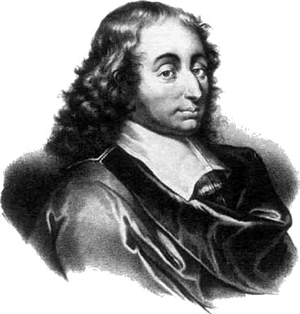
Blaise Pascal (www.thocp.net)
One good question you should keep with your to ponder:
Am I doing what I can to analyze my own life and apply it to the human condition?
What should you do to make yourself a better person, a more faithful person, from this study?
I should consider the human condition and the problem of evil as they are present in my own life and learn from the theologians and philosophers we studied.