| Green Interiors |
|
|
Smaller is better: Optimize use of interior space through careful design so that the overall building size-and resource use in constructing and operating it-are kept to a minimum. Design an energy-efficient building: Use high levels of insulation, high-performance windows, and tight construction. In southern climates, choose glazing with low solar heat gain. Design buildings to use renewable energy: Passive solar heating, day lighting and natural cooling can be incorporated cost-effectively into most buildings. Also consider solar water heating and photovoltaic-or design buildings for future panel installation. If wood heating is an option, specify a low-emission wood stove or pellet stove. Optimize material use: Minimize waste by designing for standard sizes. Avoid waste from structural over-design (use optimum-value engineering/advanced framing). Design water-efficient, low-maintenance landscaping: Conventional lawns have a high impact because of water use, pesticide use and pollution generated from mowing. Landscape with drought-resistant native plants and perennial ground covers. Make it easy for occupants to recycle waste: Make provisions for storage and processing of recyclables, recycling bins near the kitchen, under sink door-mounted bucket with lid for compostable food waste, etc. Look into the feasibility of gray water and roof-top water catchment systems: Water that has been used for bathing, dish washing or clothes washing can be recycled for flushing toilets or irrigation. If current codes prevent gray water recycling, consider designing the plumbing for easy future adaptation. Roof top water catchment for outdoor watering should be considered in many regions. Design for future reuse: Make the structure adaptable to other uses and choose materials and components that can be reused or recycled. Avoid potential health hazards: radon, EMF, pesticides: Follow recommended practices to minimize radon entry into the building and provide for future mitigation if necessary. Plan electrical wiring and placement of electrical equipment to minimize electromagnetic field exposure. Design insect-resistant detailing that will require minimal use of pesticides. Renovate older buildings: Conscientiously renovating existing buildings is the most sustainable construction. Evaluate site resources: Early in the sitting process carry a careful site evaluation: solar access, soils, vegetation, important natural areas, etc. Locate buildings to minimize environmental impact: Cluster buildings or build attached units to preserve open space and wildlife habitats, avoid especially sensitive areas including wetlands and keep roads and service lines short. Leave the most pristine areas untouched, and look for areas that have been previously damaged to build on. Pay attention to solar orientation: Reduce energy use by orienting buildings to make optimal use of passive solar heating, day lighting and natural cooling. Situate buildings to benefit from existing vegetation: Trees on the east and west sides of a building can dramatically reduce cooling loads. Hedgerows and shrubbery can block cold winter winds or help channel cool summer breezes into the building. Minimize transportation requirements: Locate buildings to provide access to public transportation, bicycle paths and walking access to basic services. Working at home can also reduce commuting. Consider home office needs with layout and wiring. Avoid ozone-depleting chemicals in mechanical equipment and insulation: CFC's have largely been phased out, but their primary replacements CFC's also damage the ozone layer and should be avoided where possible. Reclaim CFC's when servicing or disposing of equipment (required by law) and if possible, take CFC-based foam insulation to a recycler who can capture CFC's. Use durable products and materials: Because manufacturing is very energy-intensive, a product that lasts longer or requires less maintenance usually saves energy. Durable products also contribute less to our solid waste problems. Choose building materials with low embodied energy: One estimate of the relative energy intensity of various materials (by weight) is as follows: Lumber = 1 Brick = 2 Cement = 2 Glass = 3 Fiberglass = 7 Steel = 8 Plastic = 30 Aluminum = 80. Source: Building and Environment Vol. 17 No. 1 Buy locally produced building materials: Transportation is costly in both energy use and pollution generation. Look for locally produced materials (local softwoods or hardwoods, for example) to replace products imported to your area. Use building products made from recycled materials: Building products made from recycled materials reduce solid waste problems, cut energy consumption in manufacturing and save on natural resource use. A few examples of materials with recycled content are cellulose insulation, Homasote, Thermo-ply, and recycled plastic lumber. Use salvaged building materials when possible. Minimize use of old-growth timber: Avoid lumber products produced from old-growth timber when acceptable alternatives exist. You may not need clear narrow-grained cedar or redwood siding, for example, when using an opaque stain or paint as long as proper detailing is used to avoid rot. Laminated wood timbers can be substituted for old-growth Douglas fir. Don't buy tropical hardwoods unless the seller can document that the wood comes from well-managed forests. Avoid materials that will off gas pollutants: Solvent-based finishes, adhesives, carpeting, particleboard, and many other building products release formaldehyde and volatile organic compounds (VOC's) into the air. These chemicals can affect workers' and occupants' health as well as contribute to smog and ground-level ozone pollution outside. Minimize use of pressure-treated lumber: Use detailing that will prevent soil contact and rot. Where possible, use alternatives such a recycled plastic lumber. Take measures to protect workers when cutting and handling pressure-treated wood, and never burn scraps. Minimize packaging waste: Avoid excessive packaging, such as plastic-wrapped plumbing fixtures or fasteners that aren't avoidable in bulk. Tell your supplier why you are avoiding over-packaged products. Keep in mind, however, that some products must be carefully packaged to prevent damage and resulting waste. Install high-efficiency heating and cooling equipment: Well-designed high-efficient furnaces, boilers and air conditioners (and distribution systems) not only save the building occupants money, but also produce less pollution during operation. Install equipment with minimal risk of combustion gas spillage, such as sealed-combustion appliances. Install high-efficiency lights and appliances: Fluorescent lighting has improved dramatically in recent years and is now suitable for homes. High-efficiency appliances offer both economic and environmental advantages over their conventional counterparts. Install water-efficient equipment: Water-conserving toilets, showerheads, and faucet aerators not only reduce water use, they also reduce demand on septic systems or sewage treatment plants. Reducing hot water use also saves energy. Install mechanical ventilation equipment: Mechanical ventilation is usually required to ensure safe, healthy indoor air. Heat recovery ventilators are preferred in cold climates because of energy savings, but simpler, less expensive exhaust-only ventilation systems are also adequate. Protect trees and topsoil during site work: Protect trees from damage during construction by fencing off the drip line around them and avoiding major changes to surface grade. Avoid use of pesticides and other chemicals that may leach into the ground water: Look into less toxic termite treatments and keep exposed frost walls free from obstructions to discourage insects. When backfilling a foundation or grading around a house, do not bury any construction debris. Minimize job-site waste: Centralize cutting operations to reduce waste and simplify sorting. Set up clearly marked bins or trash cans for different types of useable waste (wood scraps for kindling, sawdust for compost, etc.). Find out where different materials can be taken for recycling and educate your crew about recycling procedures. (Checklist From: Environmental Building News) |
Interior
Designers are very influential in the buying decisions of many people and
companies. They supply quantities of material goods from residential
to commercial buildings and from instiutional and goverment projects. These
goods ofter include fixtures, furnishings, and fabrics. This puts
interior designers everywhere in the position of making people aware of
green design. Interior designers can effectively do this by offering
products that have been manufactured to be "green". Sustainable floors include cork, rubber, and vinyl.



cork flooring
rubber flooring
vinyl flooring
Paints can also be made so that it makes the enviroment safer. These types of paints can be water-based or low emitting VOC. VOC stands for volatile orgainc compounds. These are said to contribute to depletion in the ozone and are to be toxic and carcinogenic. Water based paints can be made of linseed oil. This makes for a strong and durable paint which can be used for multiple purposes. Paint from linseed oil can be colored by useing earth and mineral pigments. Another water based finish is balsamic turpentine. It is made from the sap of trees. Paint made from linseed oil and balsamic turpentine are fully renewable resouces.
Sustainable Paint Links
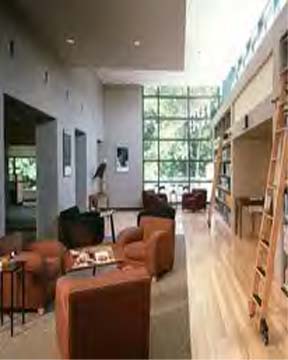
National Wildlife Federation Headquarters, Reston, Virginia AIA Committee on the Enviroment Top 10 Green Projects-hok 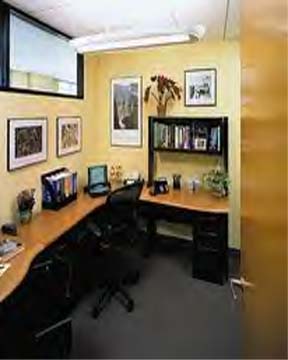
World Resources Institute Offices Washington, DC, USA 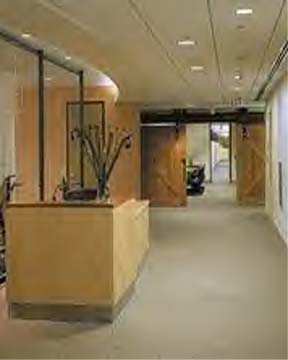
World Resources Institute Offices
Washington, DC, USA The design creates a “showcase” demonstrating both
the WRI’s commitment to the environment and the sustainable design features
that can be included within conventional leased office space with a standard
project budget. -hok
Accessible, Affordable "Green" Housing
• Making "green" building accessible by making it affordable and encouraging resource-efficient design, construction and maintenance to become standard practice rather than an extraneous consideration. • Fostering community environmental stewardship and addressing environmental justice issues by nurturing and empowering residents. • Creating sustainable local jobs and nurture impoverished communities by creating demand for local, resource-efficient products, services and delivery mechanisms. • Lowering the cost of and increase access to shelter (i.e., allow more families to qualify for home ownership) by reducing finance, construction and maintenance costs. • Increasing the priority of creating healthier homes and communities by building awareness of these issues among policy makers and affordable housing developers. "As designers, we have to work harder to make sustainable design a priority. We need to expand our knowledge base and revise our design process to be more rigorous, more inclusive, and more collaborative." Sandra Mendler, CUH2A |