 |
|
|
|
|
|
|
|
|
|
|
|
|
|
|
|
|
|
|
|
165 Hours - Fabuglas Bahama Restoration |
|
|
|
 |
|
 |
|
|
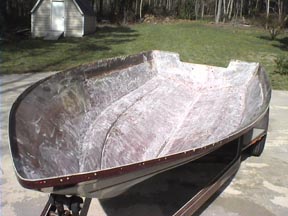
The hull was required to be roughed up prior to applying the fiberglass. Each scratch on the surface, in theory, provides surface for which the epoxy can seep in, with the end result being a better mechanical bond when the epoxy is cured. I don't know if it really helps or not, the only thing I learned is that I'm not a big fan of glass dust floating in the air. This has easily been the most miserable task of the restoration so far. |
|
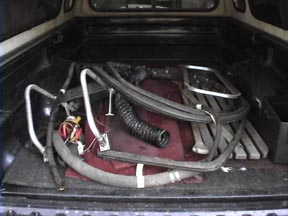
This is all of the guts and glory of the boat. Everything from the carpet and ski locker cover to the rub rail and boarding ladder is in there. |
|
|
|
|
|
 |
|
 |
|
|
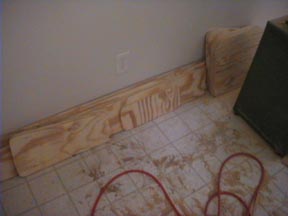
The backings for all of the vinyl parts of the boat are finished. They really didn't take long at all, but having all the right tools helps a bunch. |
|
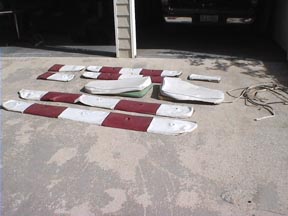
This is where most of the last 15 hours were spent. All bits and pieces of the rusted staples were removed, and all vinyl pieces were scrubbed with a toothbrush using an ammonia cleaner. They're not perfect with a few stains here and there, but it's got to be better than spending more money on sheets of vinyl fabric and making an attempt at (gulp) sewing them together!!! |
|
|
|
|
|
 |
|
 |
|
|
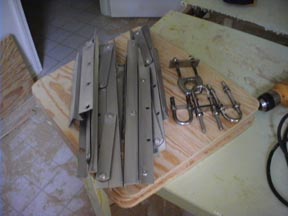
Here is another time consumer. The folding seat hardware was removed from one set of seats and worked with a wire brush until they shine. They are aluminum, so corrosion was not very much of an issue. They were just loaded with years of nasty, sticky, disgusting gunk. That's the best description I can think of because I never did figure out exactly what it was. |
|
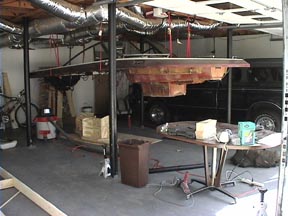
The top half of the boat is still just hanging around. There's not a lot going on with that part, but I can't wait until I can get the two halves back together. |
|
|
|
|
|
Continue to 180 Hours - Fabuglas Bahama Restoration |
|