Introduction
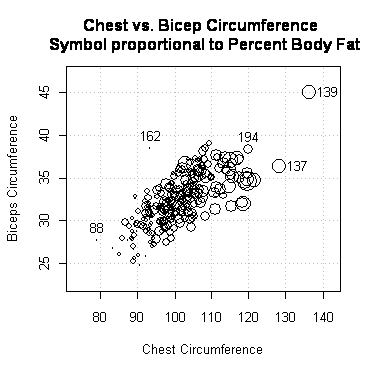
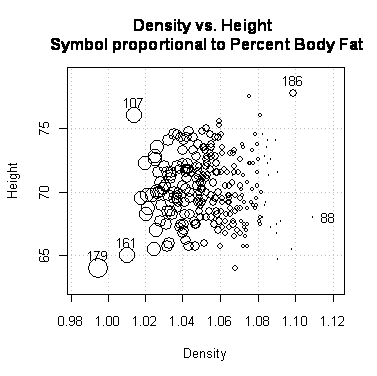
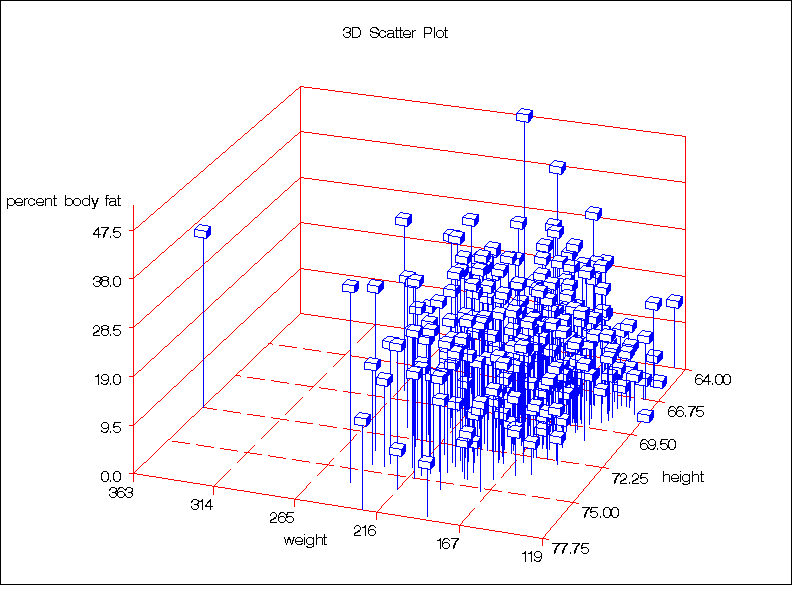
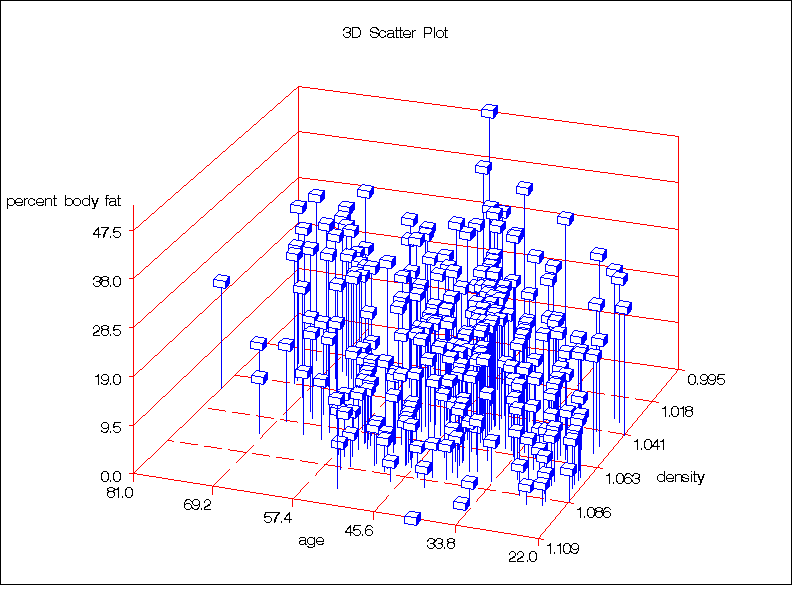
For this project, we are investigating the relationship between the percent body fat of males and density, weight, height, and age. We also investigated the relationship between the percent body fat of males and upper body variables such as chest, neck, bicep, forearm, and wrist circumference.
We had 252 male observations that we used in determining which variables had the biggest influence on percent body fat.
The data set can be found at percentbodyfat.html
********************************************************************** Back to Homepage homepage.html
Bubble Plots
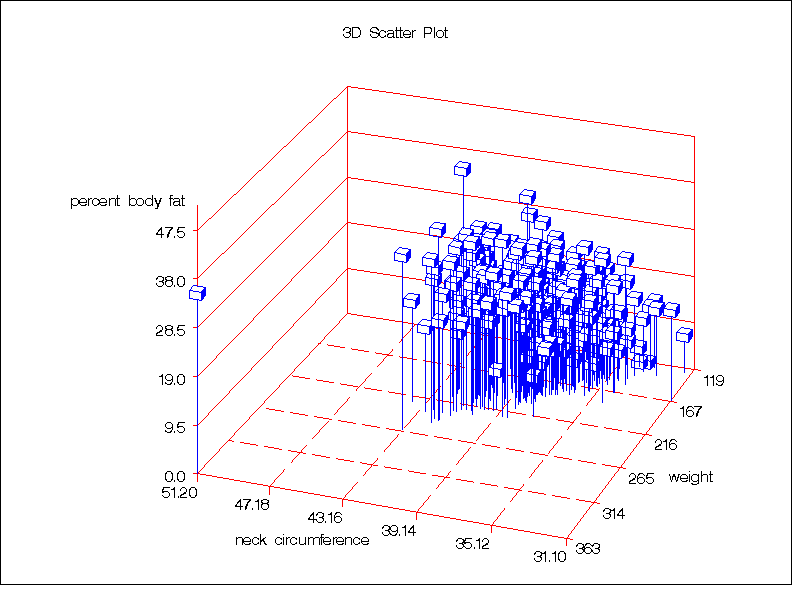
3D Scatter Plots
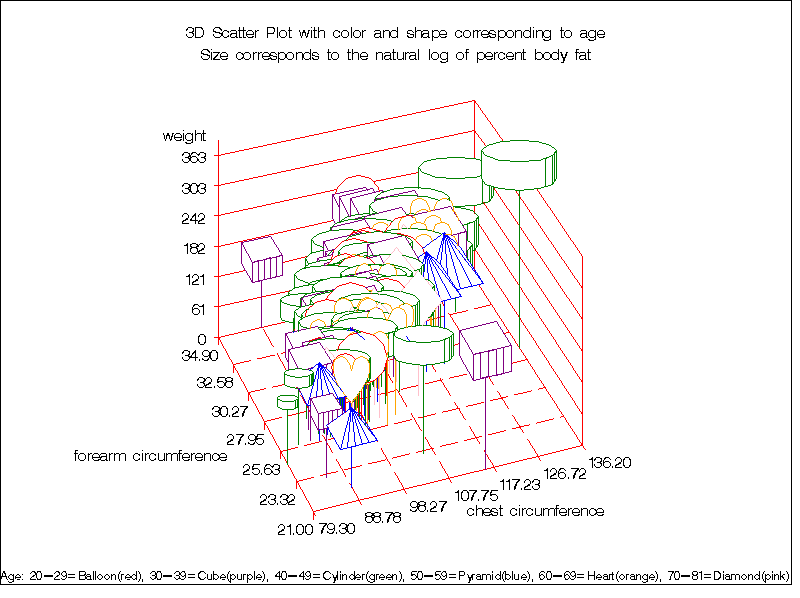
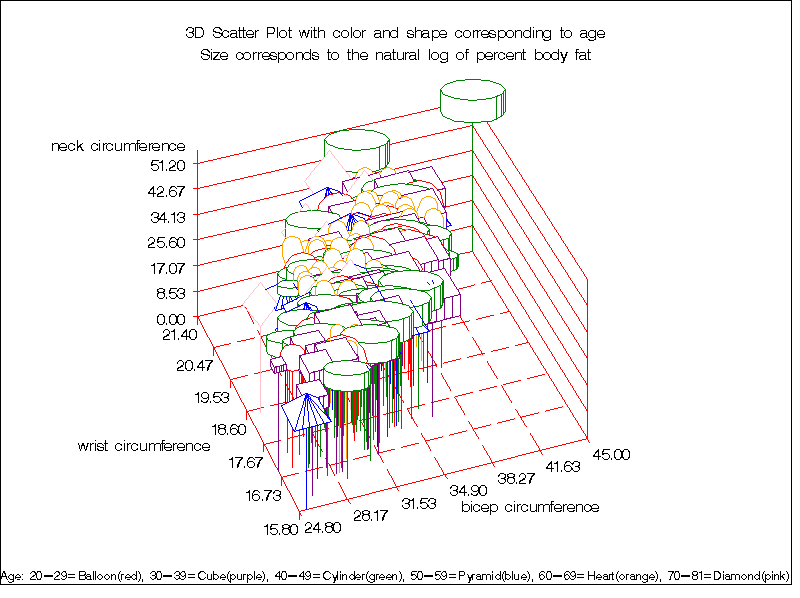
3D Bubble Plots
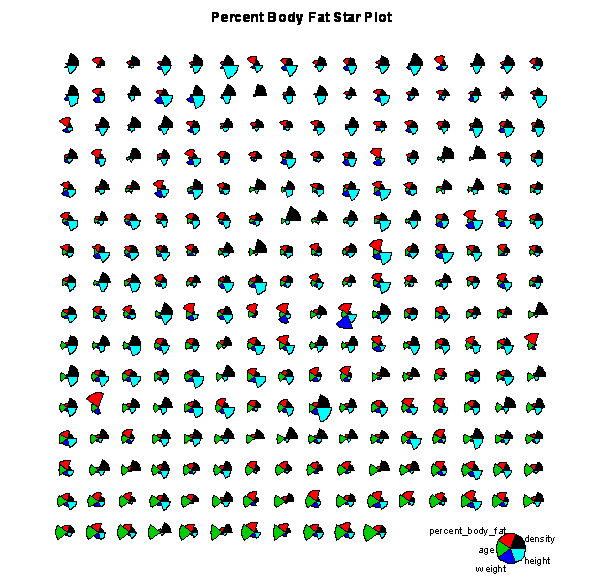
Star Plots
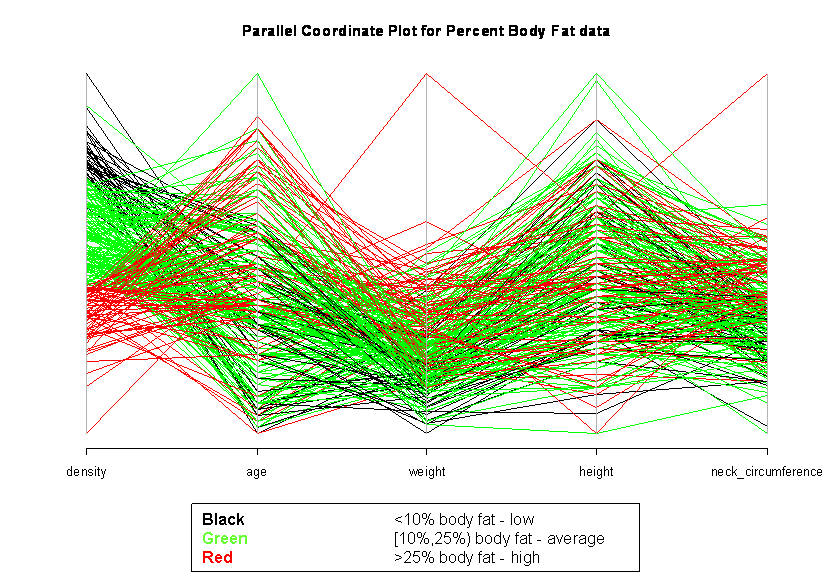
Parallel Coordinate Plots
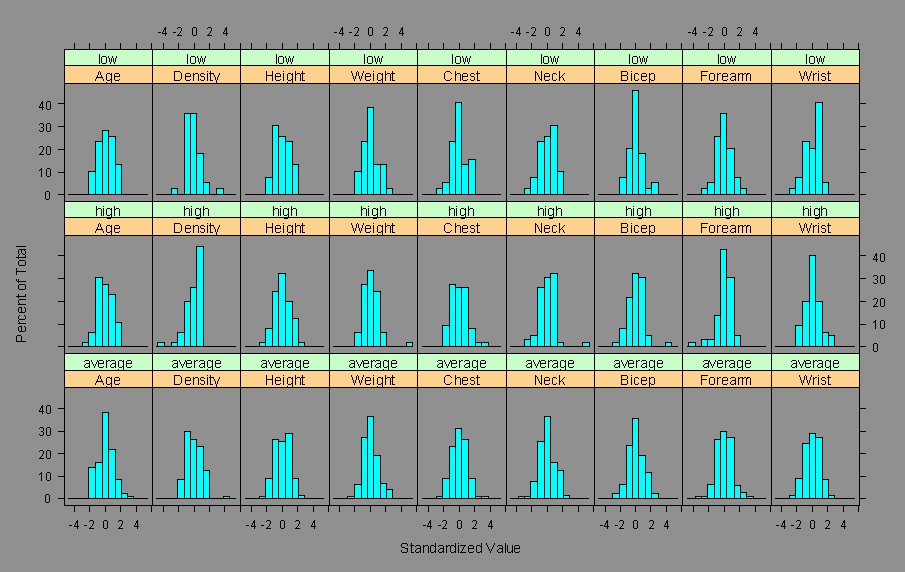
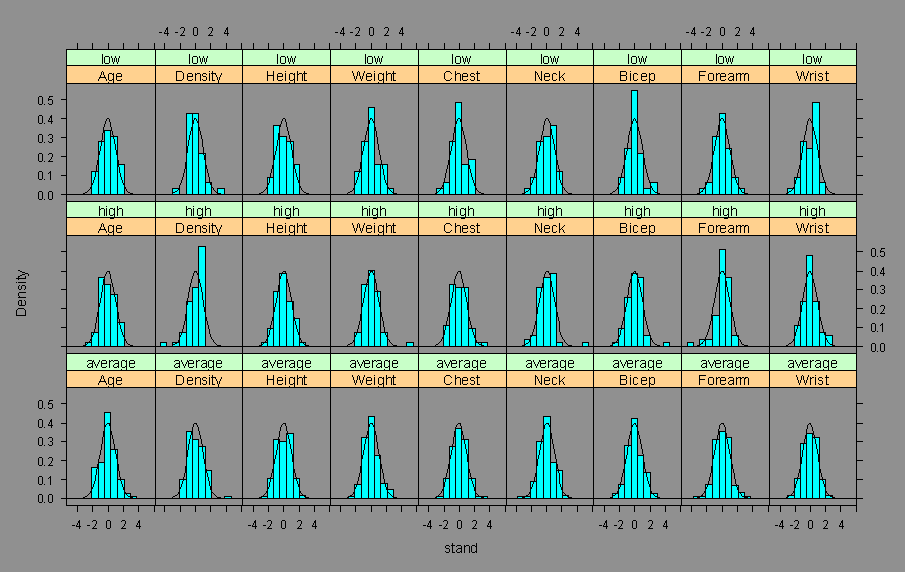
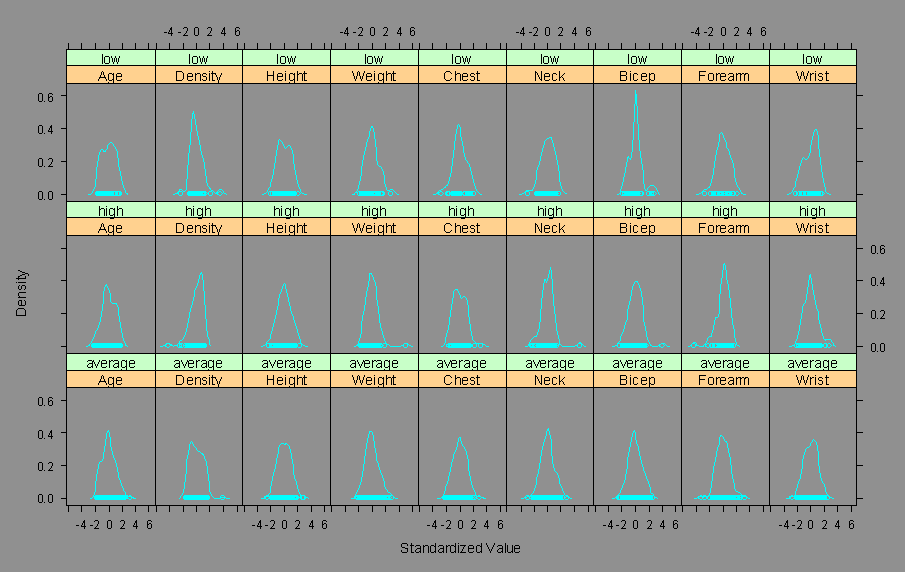
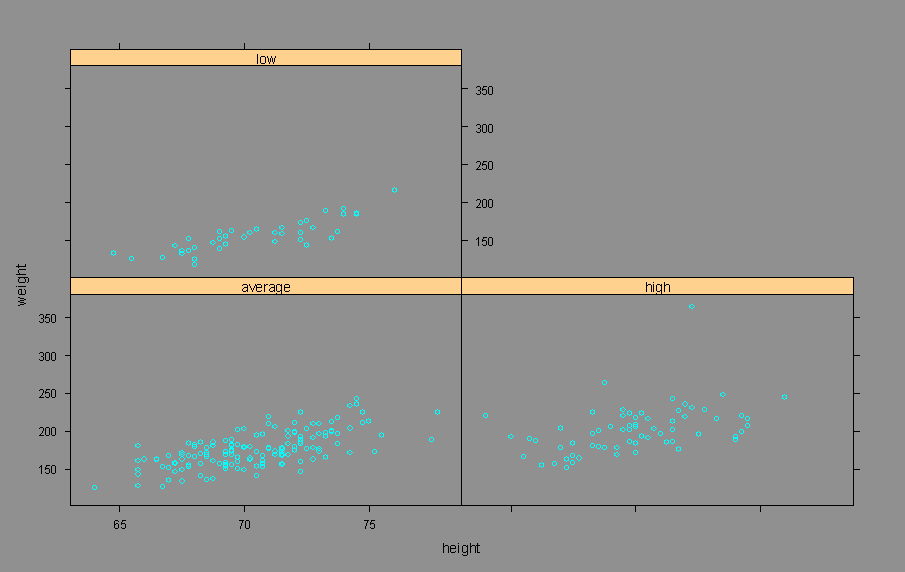
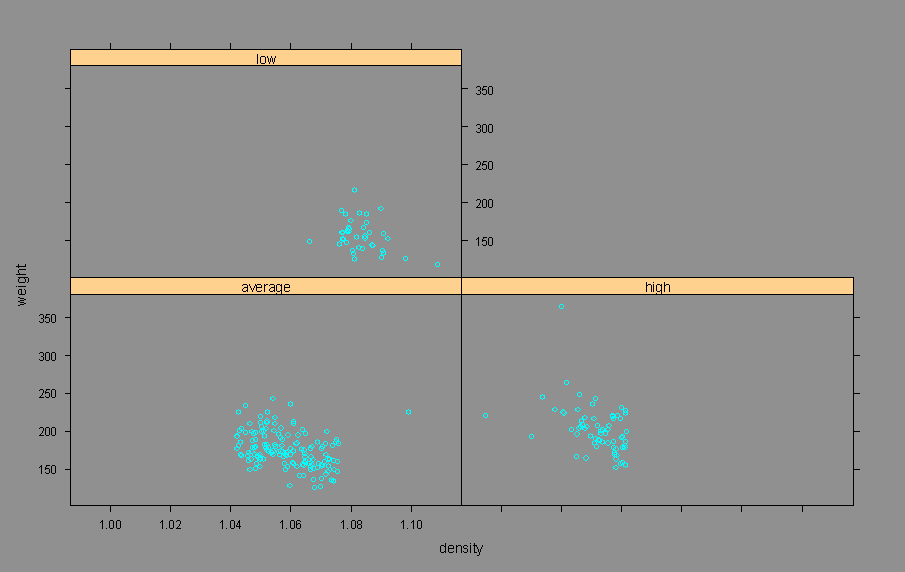
Trellis Plots
Conclusions
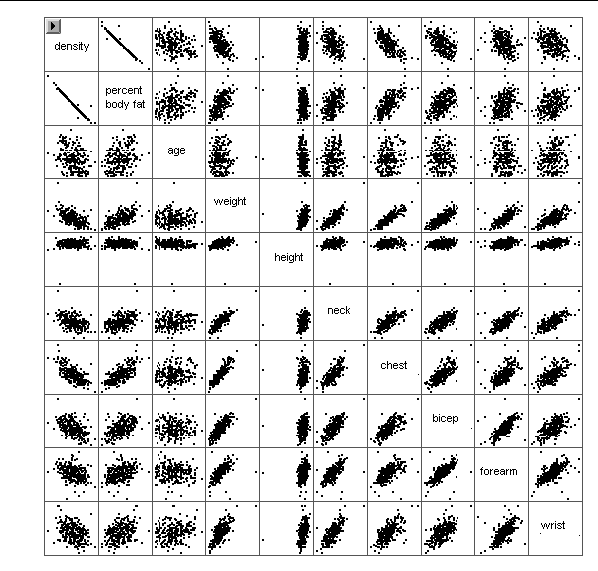
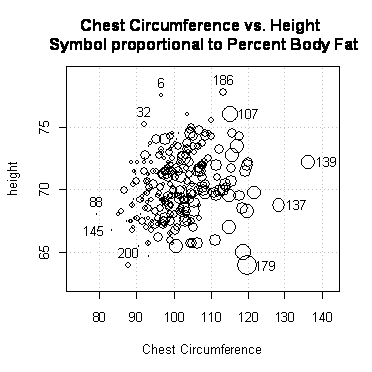
There are several variables which seem to tell a similar story when it comes to percent body fat. Wrist circumference, bicep circumference, and forearm circumference are all measurements from an arm, which is likely to give similar readings for an observation. This would explain the fairly high correlations between the three. This is also seen in the parallel coordinate plot with the consistency of an observation across these variables. These variables also have a fairly high correlation with both chest circumference and neck circumference. These insights are fairly intuitive as well since a man with a large chest is likely to have a larger frame leading to larger arms and a larger neck, while a man with a small frame would have the characteristics of small arms, small neck, and small chest circumference. Since all these variables relate information about the size of a man�s frame, it may be interesting to reduce the number of variables.
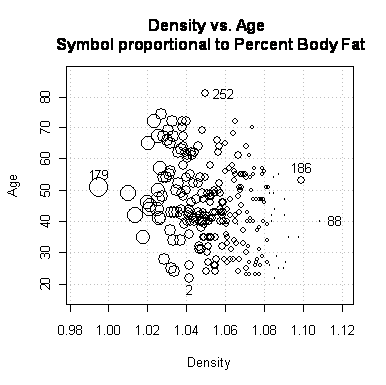
Density is highly correlated with percent body fat and would be a fairly good indicator of percent body fat. From several of the plots above it can be seen that a decrease in density is associated with an increase in percent body fat.
The age of a man would be a poor indicator of a man�s percent body fat. In several of the plots above it has been shown that percent body fat seems to remain fairly constant when contrasted with a change in a man�s age.
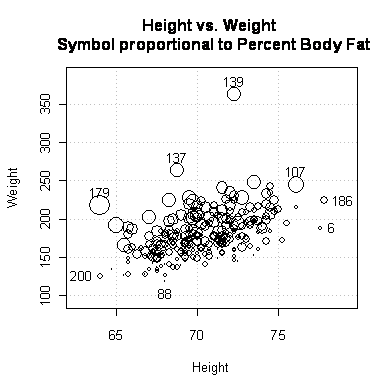
A man�s height, astonishingly, is not a strong indicator of percent body fat. In several plots it seemed that with an increase in a man�s height, percent body fat remained mostly unchanged, similar to what was revealed with the age variable.
A man�s weight would be beneficial to consider when trying to estimate a man�s percent body fat. Although it does not seem to be as good of an indicator as density, the variable has vital information to contribute.
An interesting combination of variables we investigated was weight, density and percent body fat. From the plots we were able to establish a simultaneous increase in weight and percent body fat along with a decrease in density.
Back to Homepage
hompage.html