Project 2
For this project, we are continuing the investigation of percent bodyfat of males and density, weight, height, age, upper body variables such as chest, neck, bicep, forearm, and wrist circumference.
This project was designed to screen the data set and determine the true
dimension of the data. To do this, we use both principal component analysis
and factor analysis methods.
The data set can be found at
percentbodyfat.html
**********************************************************************
Graphs
PCA - 3D Plots
PCA - Bubble Plot
PCA - Eigenvalues
PCA - ODS Output
PCA - Starplot
FA - Hypothesis Test
FA - FA Model
FA - Parallel Coordinate Plot
FA - Star Plot
Conclusions
Back to Homepage
homepage.html
PCA - 3D Plots
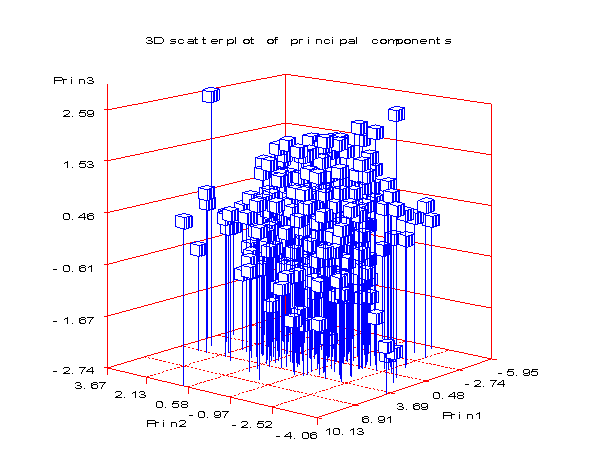
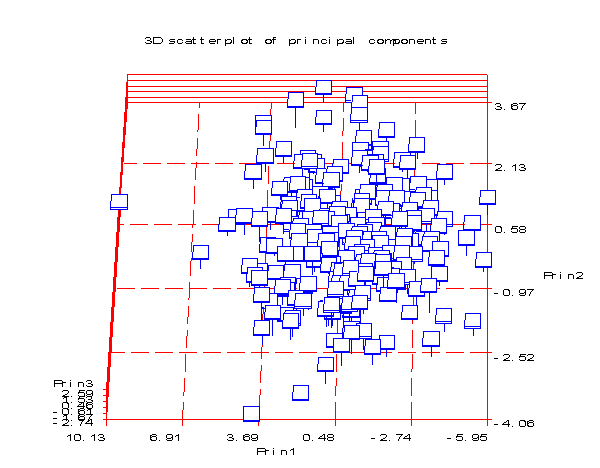
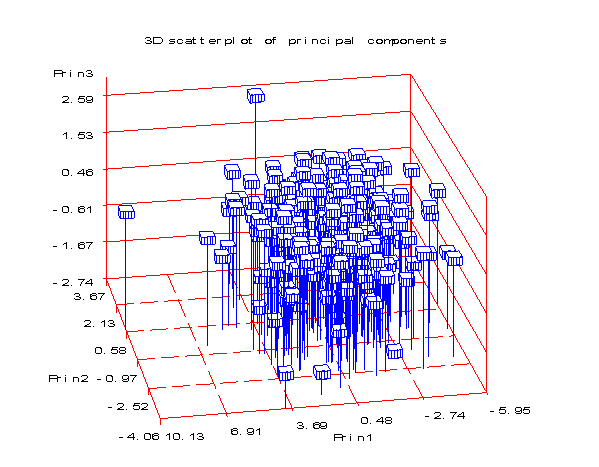
Back to Top of Page
PCA - bubbleplot
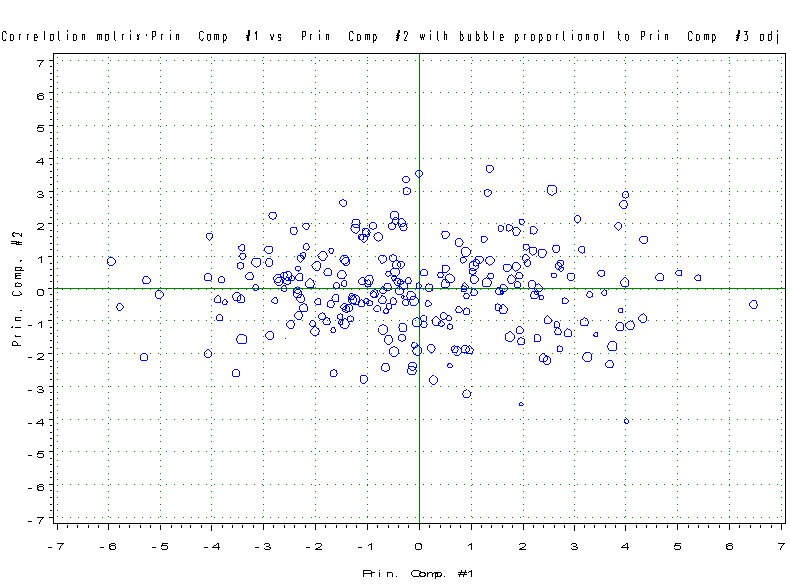
Back to Top of Page
PCA - Eigenvalues

Back to Top of Page
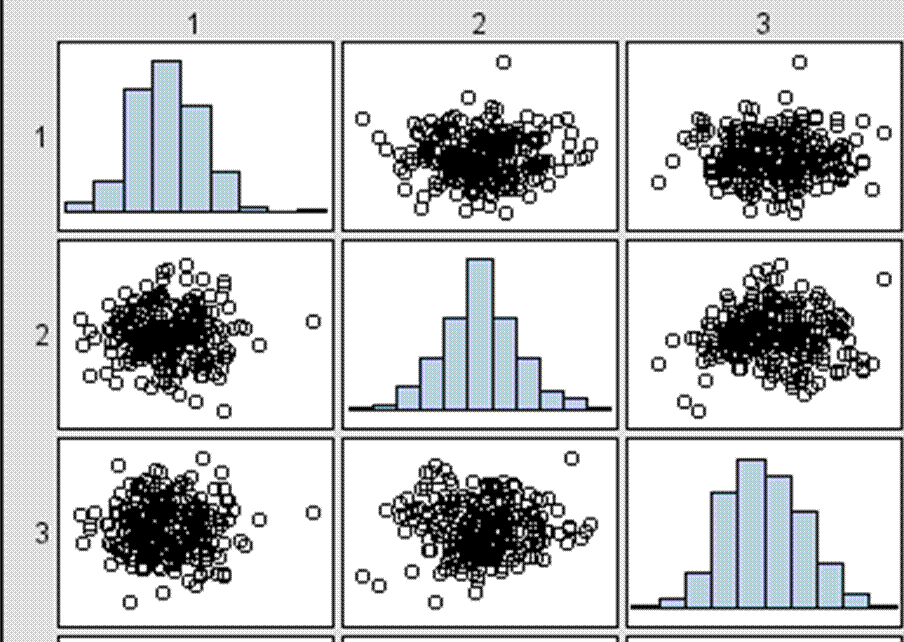
PCA - ODS Output
Back to Top of Page
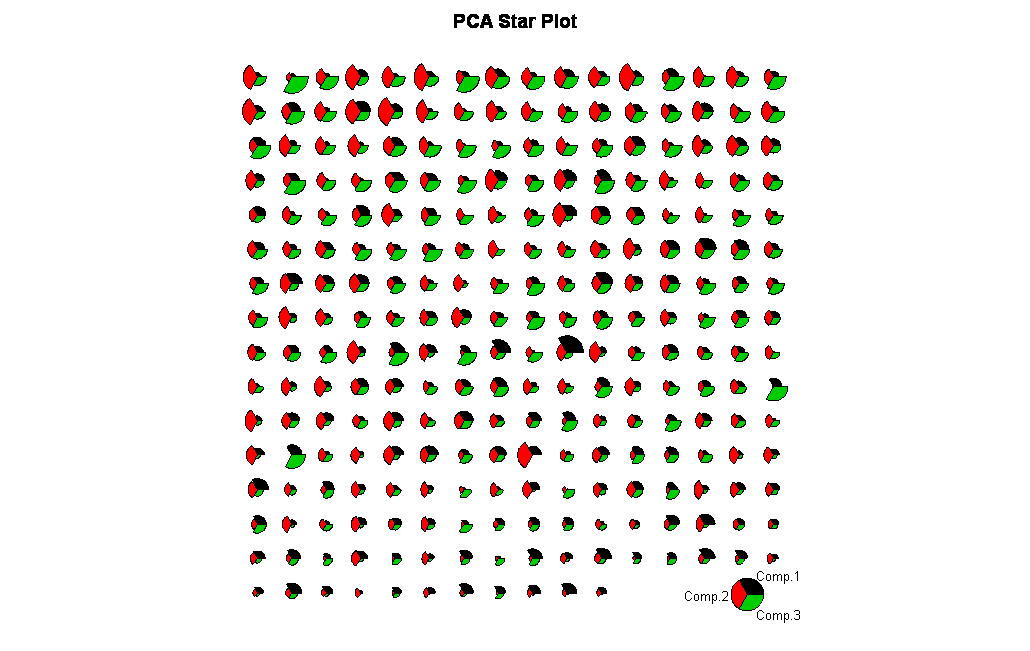
PCA - Starplot
Back to Top of Page
FA - Hypothesis Test

Back to Top of Page
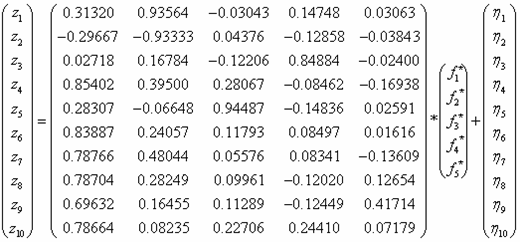
FA - FA Model
Back to Top of Page
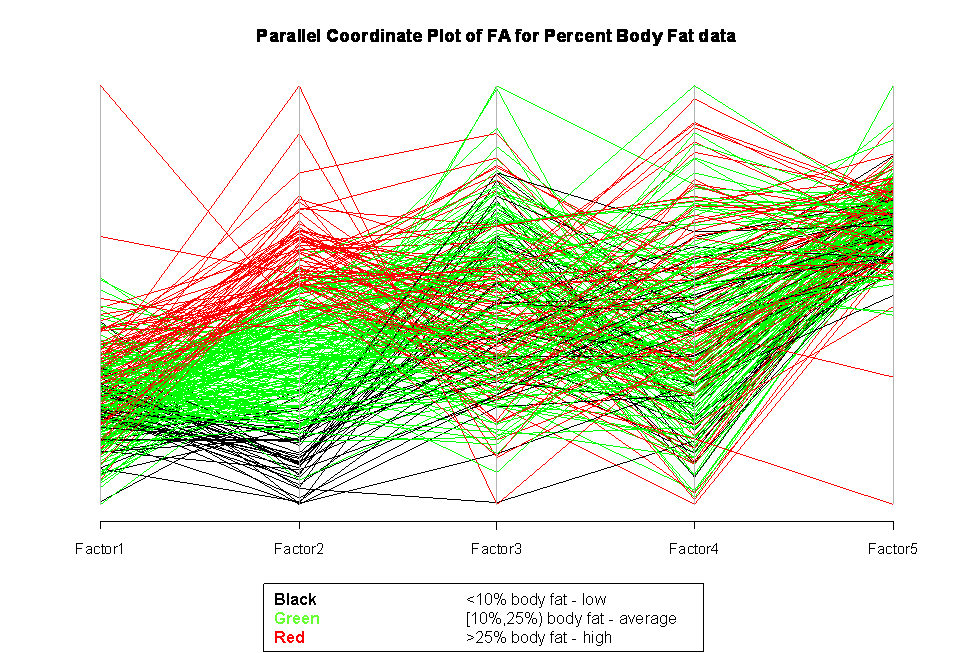
FA - Parallel Coordinate Plot
Back to Top of Page
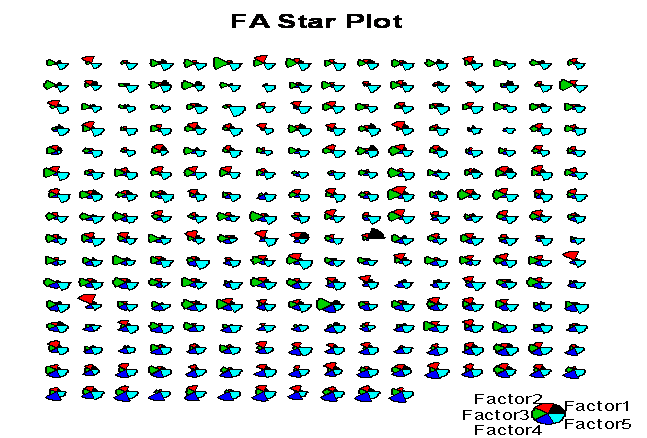
FA - Starplot
Back to Top of Page
Conclusions
Based on the Principal Component Analysis, we determine the data can be
summarized in three dimensions. To conclude this, we used the three methods of
determining the number of principal components which are eigenvalues, scree
plot, and accumulated percentage of variance.
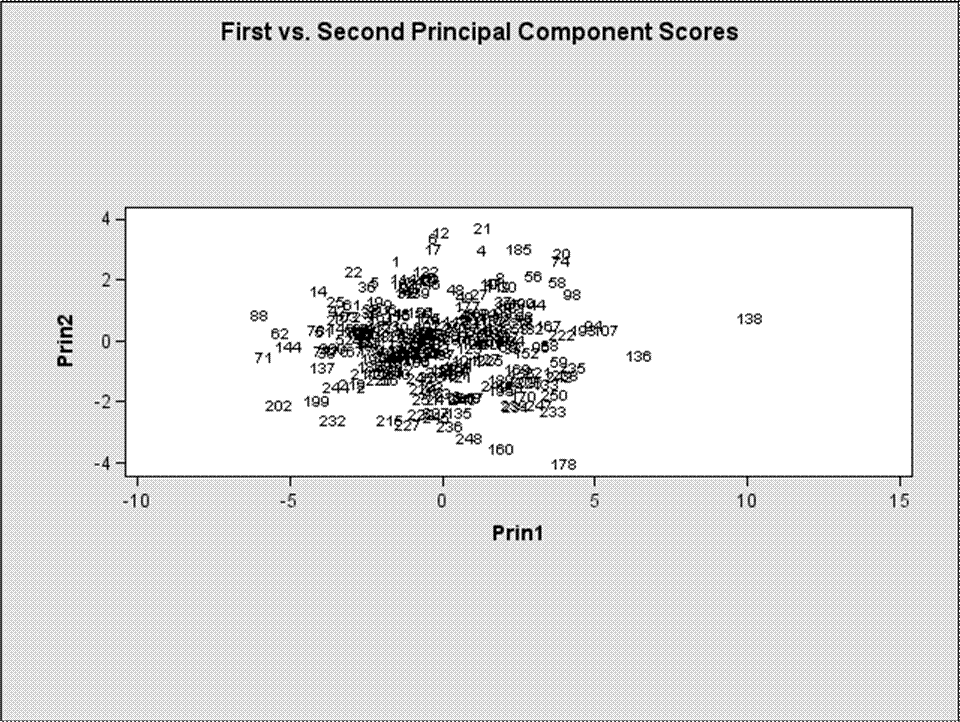
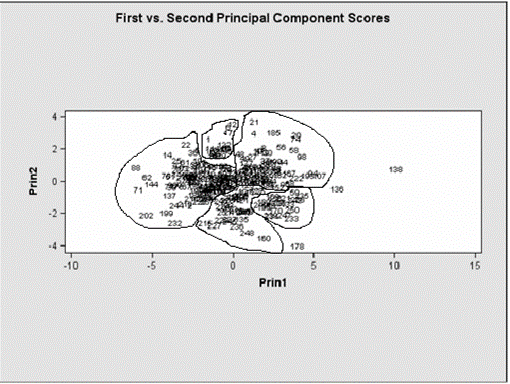
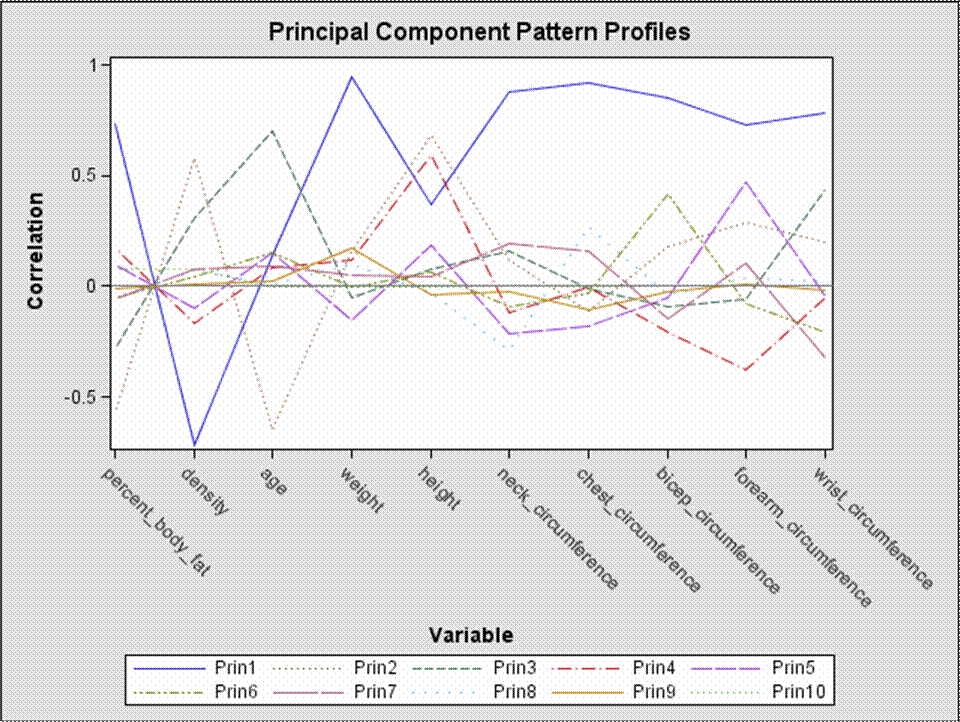
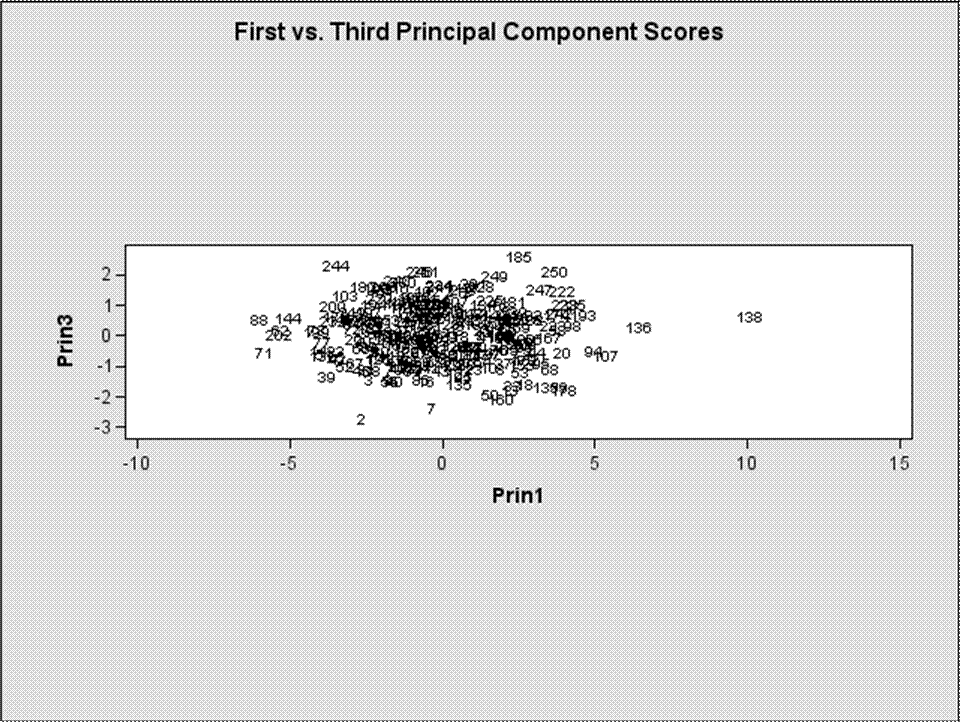
Principal component number one is measuring the difference between density and all of the other variables, with not as much weight given to age. There is no particular interpretation for this principal component because to contrast density with the rest of the variables really does not tell us anything since these variables can all possibly contribute to the density of a male.
Principal component number two is measuring the difference between percent body fat, age, and chest circumference versus the rest of the variables, with not as much weight given to chest and neck circumference. There is again no particular interpretation for this principal component because this contrast is uninformative in relating to percent body fat.
Principal component number three is measuring the difference between percent body fat, weight, chest circumference, bicep circumference, and forearm circumference versus the rest of the variables, with more weight given to age. Again, there is no particular interpretation for this principal component because this contrast is a random compilation of variables that really do not seem to measure any overall attributes related to percent body fat.
The Factor Analysis Method yielded slightly different results than PCA.
Through this we determined that the data could best be summarized using five
dimensions. We started our investigation using three common factors which was
based on the PCA. We did likelihood ratio tests to determine how many factors
were needed. We found five factors to be sufficient and proceeded on with our
analysis using five factors.
Factor one is a measure of the weight and the circumference of the neck, chest, bicep, forearm, and wrist. The other measurements do not play as large a part in the first factor.
Factor two is a contrast between density and percent body fat with a little influence from chest circumference.
Factor three is dominated by the height measurement.
Factor four is dominated by the age of the man.
Factor five is almost trivial since none of the factor loadings are greater than 0.5, but with forearm circumference being over three times as large as the next highest value, this factor may still contribute something unique.
Back to Top of Page
Back to Homepage
homepage.html.