Everything you�ve heard about Colombia is true, but maybe you havent heard it all...
It�s certainly a dangerous country with violence going out of control in many rural areas, there�s also much poverty and the main cities are ill-planned, traffic-overburdened urban complexes mismanaged by corrupt politicians.

But on the other hand, Colombia has fertile valleys, tropical rainforests, deserts, snow-covered mountains, white-sand beaches, pure water rivers and amazing architectural treasures built by the ancient Indians, the Spanish conquerors and modern masters like Le Corbusier. It�s a young country with a mixed population of mestizos, blacks, whites and Indians, living in diverse geographical regions with a strong cultural heritage.

People are mostly friendly, unselfish and unpretending.They try to live happy lifes in spite of all the hardships, threats and obstacles.

If Peace between the leftist guerrillas, the right wing death squads, the regular army and the drug cartels is ever achieved, this beautiful country will surely become a hot touristical destination. I�m proud to say that Colombia has it all...

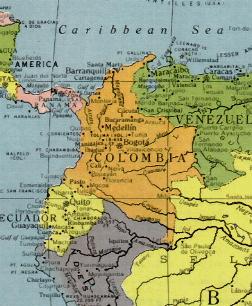
Let me show you some images of different regions. All photos were taken by Esperanza and me. Feel free to use them as you wish
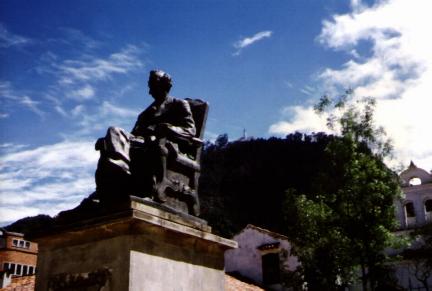
Bogota : A megalopolis in quest of identity

Bogot� has more than 6 million inhabitants. It used to be a very provincial town until the mid 20th century when the first strides of modernity started to be seen. A violent political outburst destroyed significant areas of downtown in 1948, transforming the criteria for city planning into a chaotic and narrow-minded set of unobeyed rules.

Bogota's population grew at a fast pace during the next decades, but ironically, the capital of such a centralized country as Colombia, suffered a lot because of inadequate city planning, political corruption and lack of cultural identity.

Things are starting to change a bit as of recently but traffic is still a nightmare, public transportation is inadequate and dangerous and the increasing quantity of "desplazados", peasants fleeding from the rural areas because of violence and poverty, is overwhelming the scarce public and private resources available.

But, as with everything in Colombia, there�s another side to know.

Bogot� is the "cultural" capital of the country. It�s a city of students, white-collar workers and public officials. In a way, it�s the only real City in Colombia : crazy, diverse and overwhelming but it also has a lot of quiet and charming places.

The cool weather (Bogot� is on top of the Andes mountains, more that 7500 feet above the sea level) is another asset although most people in this tropical country consider it to be too cold...

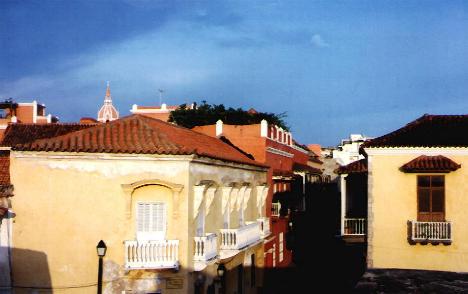
On sundays, the main streets are turned into "ciclovias", dedicated bike & roller-skate roads. Flea markets display things from junk to kitch. Rap, Heavy metal, Salsa, Merengue, Vallenato , Classical, Blues and Jazz can be heard throughout this music-loving city.

Cartagena : The decay of Greatness

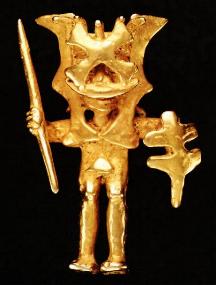
The jewel of the colombian caribbean coast. The city through which all the treasures (gold, emeralds) were sent to Spain when Colombia was a colony. The port through which african slaves as well as Illustration entered the country.

Cartagena has some of the most beautiful and interesting buildings in the caribbean, ranging from XVI century spanish fortresses to magnificent Art Nouveau houses.

It�s a hot touristical destination for colombians who go by the thousands in December, packing the big hotels on the modern district of Bocagrande.
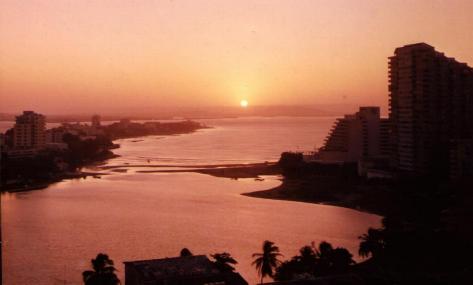
However, the city, beautiful as it is, is suffering from a lot of problems. The sea has been contaminated by untreated sewage waters and industrial facilities. Extreme poverty and racism are a sad and enduring reality. The former "savoir-faire" of the old port inhabitants has been replaced by a proud and silly provincialism.

Boyaca : The Beauty of the Andes

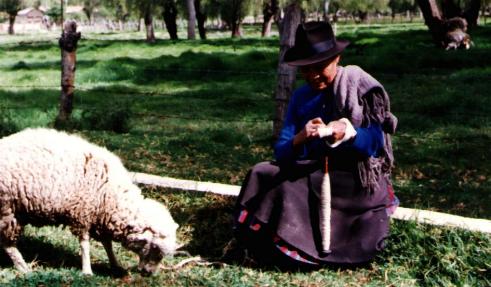
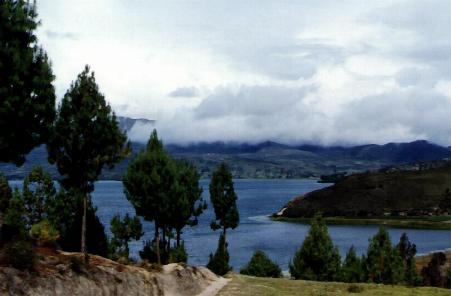
Not far away from Bogot�, lies this region of mountains, lakes, deserts and charming old towns where beer-loving farmers harvest potatoes, flowers and barley. Largely untouched by violence, Boyaca is a heaven for nature and craftmanship loving tourists. Prices are cheap, the weather is fair and distances are relatively short.

Problems darkening the future : Industries moving to the area and desertification made worse by the "El Ni�o" phenomenon.

The Pacific Coast : The majesty of the Rainforest

The pacific coast of Colombia is totally different from that of all other south american countries. The Andes get close to the shore stopping the clouds and creating one of the rainiest regions of the world.

The intense humidity has created a heaven for all forms of life : animals of all kinds and huge selvatic forests form a tough but marvelous landscape, largely untouched by man.

Malaria is a concern in the area, as well as extreme poverty. The Pacific coast is mainly inhabited by descendants of african slaves who escaped from their "owners" and by small indian communities.

The Caribbean Islands. A fragile Paradise

The islands of San Andres and Providencia, (1 hour and a half by plane from Bogot�) are typically caribbean. White sand beaches, great scuba-diving locations and a cultural heritage formed by the legacy of Spain, England and Africa

San Andres is pretty but modernity has nearly cemented its charm. Providence doesnt have so many great beaches but it is gorgeous. It�s a fragile paradise of blue and green mountains, coral reefs and small wooden houses.

Unemployment is high and the young population is falling under the spell of drugs as in other caribbean islands, but there�s still a unique charm to this lesser known paradise, where english is spoken by the locals.

1

Hosted by www.Geocities.ws