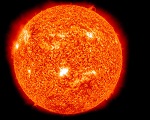

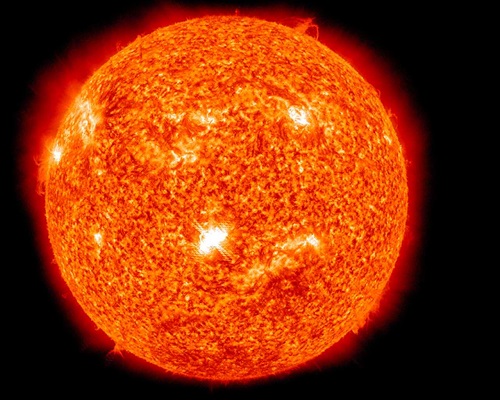
The Sun is the star at the center of the Solar System. It is almost perfectly spherical and consists of hot plasma interwoven with magnetic fields. It has a diameter of about 1,392,684 km (865,374 mi), around 109 times that of Earth.
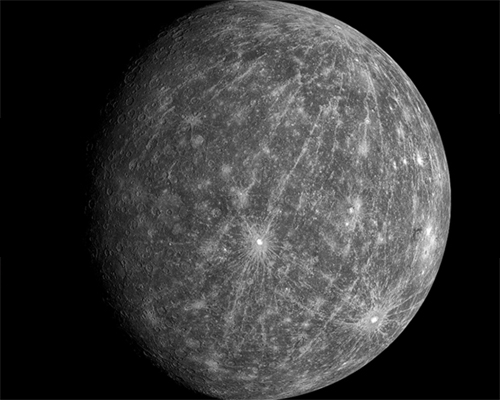
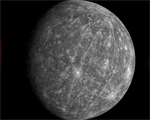
Mercury is the closest planet to the Sun and due to its proximity it is not easily seen except during twilight. For every two orbits of the Sun Mercury completes three rotations about its axis and up until 1965 it was thought that the same side of Mercury constantly faced the Sun.
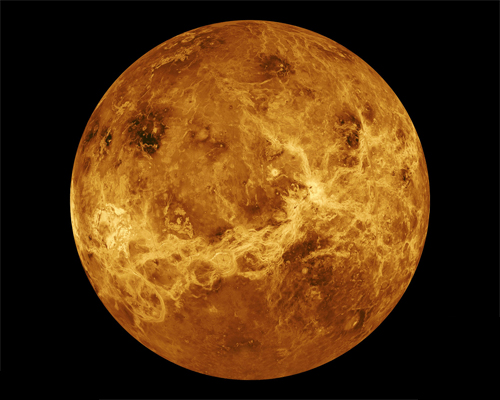
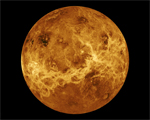
Venus is the second planet from the Sun and is the second brightest object in the night sky after the Moon. Named after the Roman goddess of love and beauty, Venus is the second largest terrestrial planet and is sometimes referred to as the Earths sister planet due the their similar size
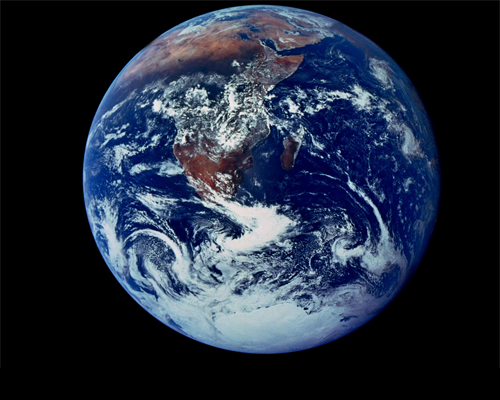
Earth is the third planet from the Sun and is the largest of the terrestrial planets. Unlike the other planets in the solar system that are named after classic deities the Earth’s name comes from the Anglo-Saxon word erda which means ground or soil.
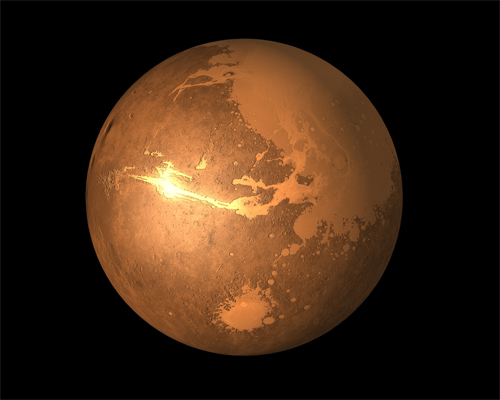
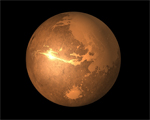
Mars is the fourth planet from the Sun and the second smallest planet in the Solar System. Named after the Roman god of war, it is often described as the "Red Planet" because the iron oxide prevalent on its surface gives it a reddish appearance. Mars is a terrestrial planet with a thin atmosphere.
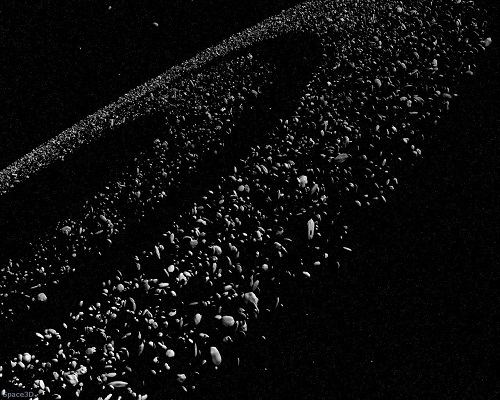
The Asteroid Belt is the region of the Solar System located roughly between the orbits of the planets Mars and Jupiter. It is occupied by numerous irregularly shaped bodies called asteroids or minor planets. The asteroid belt is also termed the main asteroid belt or main belt.

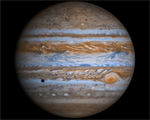
Jupiter is the planets represented the will of the gods and their direct influence upon human affairs. To modern astrologers the planets represent basic drives or urges in the unconscious, or energy flow regulators representing dimensions of experience.
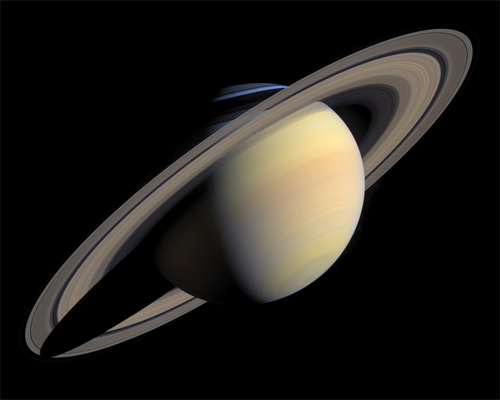
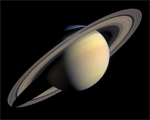
Saturn is the sixth planet from the Sun and the second largest planet in the Solar System, after Jupiter. Named after the Roman god of agriculture, Saturn, its astronomical symbol (♄) represents the god's sickle. Saturn is a gas giant with an average radius about nine times that of Earth.
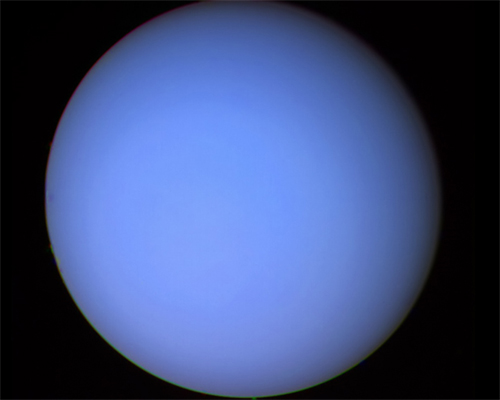
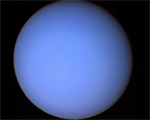
Uranus is the planets represented the will of the gods and their direct influence upon human affairs. To modern astrologers the planets represent basic drives or urges in the unconscious, or energy flow regulators representing dimensions of experience.
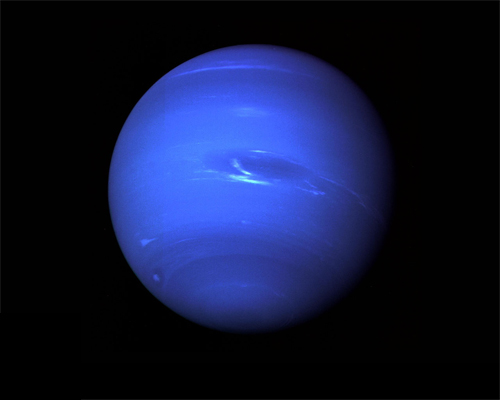
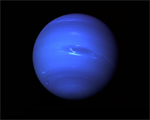
Neptune is similar in composition to Uranus, and both have compositions which differ from those of the larger gas giants, Jupiter, and Saturn. Neptune's atmosphere, while similar to Jupiter's and Saturn's in that it is composed primarily of hydrogen and helium, along with traces of hydrocarbons