
 |
Description |
Behavior |
Food and Digestion |
History |
Habits |
Description
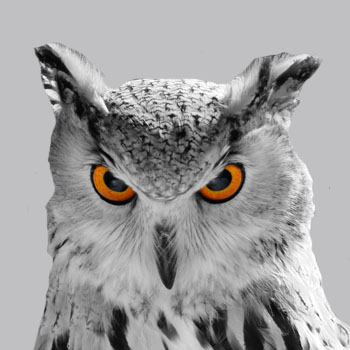
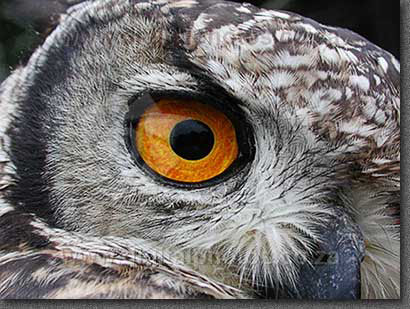
The upperparts are brown-black and tawny-buff, showing as dense freckling on the forehead and crown, stripes on the nape, sides and back of the neck, and dark splotches on the pale ground colour of the back, mantle and scapulars. A narrow buff band, freckled with brown buff, runs up from the base of the bill, above the inner part of the eye and along the inner edge of the black brown, "ear-tufts".
|
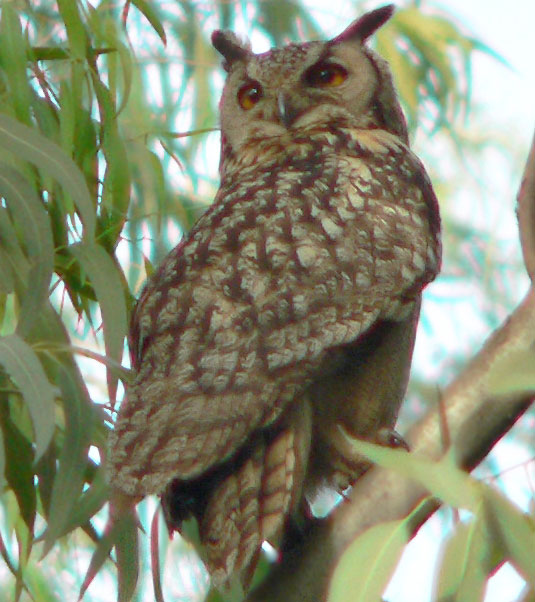 |
Behavior An Owl's daily activity begins with preening, stretching, yawning and combing its head with its claws. The plumage is often ruffled up, and claws and toes are cleaned by nibbling with the beak. The Owl will then leave its roost, sometimes giving a call .Most Owls are active at dusk and dawn, spending the daytime at a quiet, inconspicuous roost. They generally roost singly or in pairs, but may form flocks outside of the breeding season. |
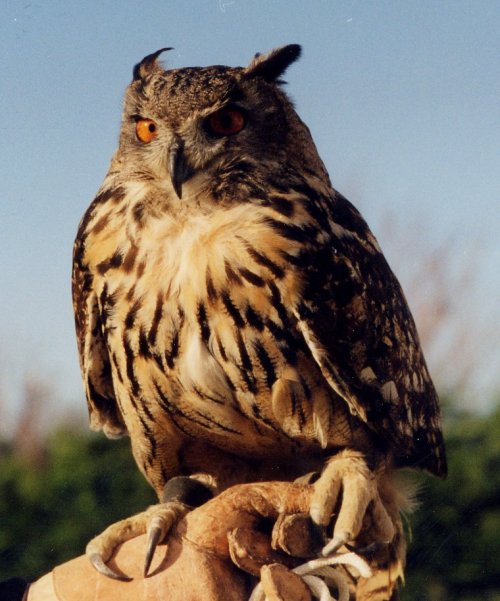 |
Food and Digestion Like other birds, Owls cannot chew their food small prey items are swallowed whole, while larger prey are torn into smaller pieces before being swallowed. Some Owl species will partially pluck bird and larger mammal prey.Unlike other birds, Owls have no Crop. A crop is a loose sac in the throat that serves as storage for food for later consumption. Since an Owl lacks this, food is passed directly into their digestive system.
|
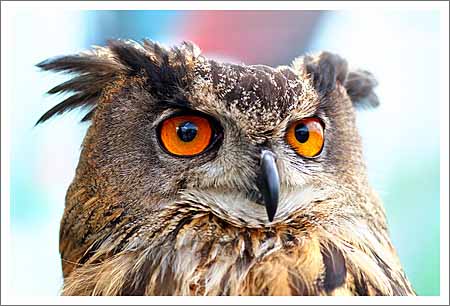 |
History Eurasian Eagle Owls may live more than 60 years in captivity. In the wild, about 20 years may be the maximum. They have no real natural enemies; electrocution, collision with traffic, and shooting are the main causes of death.
|
 |
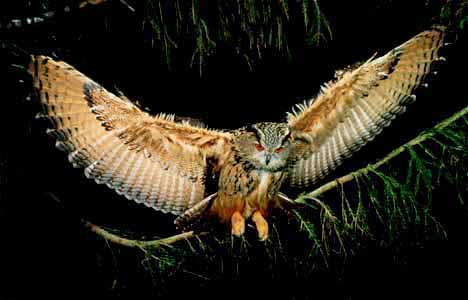
Habits & Habitat Eagle Owls occupy a variety of habitats, from coniferous forests to warm deserts. Rocky landscapes are often favoured. Adequate food supply and nesting sites seem to be the most important prerequisites. Active mainly at dusk to dawn.Fligth is noiseless, whith soft wingbeats interrupted by gliding when flying over long distance. |
 |