| Northern Tunisia has a trypical Mediterranean climate with dry and hot summers and warm and rainy winters. The mountains of the north-west are blessed with occasional snowfall, while the farther south you go the hotter and drier it gets. Tunisia's economy growth has depended on oil, phosphates ,ariculture and tourism and fossil fuels. Countries are often blessed with land, labor and capital but remain relatively poor in money terms. Tunisia has a mixed economy in which both the public and private sectors participate. Tunisia has agreed to gradually remove barriers to trade with European Union over the next decade. Increase rainfall portends higher growth levels for 2003, but continue regional from the war in Iraq will most likely continue to suppress tourism earnig. |
| < -------------------------------------------------------------------------------------------------------------------> |
| Tunisia |
 |
| links: |
| Climate and Economy |
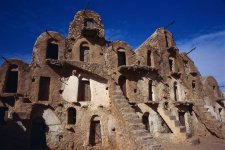
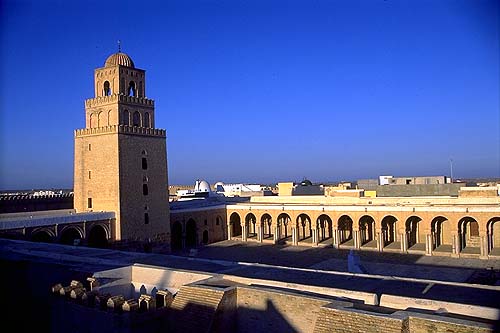
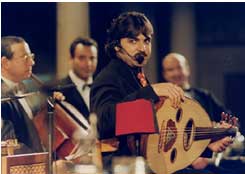
| Tunisia may be the smallest country in Africa, but its strategic position has ensured it an evenful history. This is a pictuer of a holy place. Were poeple go to worship there god.The berbers the orginal people of Tunisia, but immigration over the centuries have brought phoenicians, Jews, Romans, Valdals and Arabs. Malouf, which means normal is the name given to form of traditional Arabstlye music that's become a sort of natioinal institution in Tunisia. Arabic is the language of govermant, but almost everyone speaks some french. English and German are also taught in school. The berber language Chelha is heard only is isolated villages. |
 |
 |
| Historical records re late in 670 AD the Arab conqueror, Up ba ibn Nafi crossed the deserts of Egypt began the first Musl em coquest of the M aghreb of North Afr ica . establishing military posts at regular intervals along his route, Upba iba Nafi came to the site of present day Kairouan and there decided to encamp his soldiers for some days. |
 |
 |
 |
| Old Chricnicles decribe thr region as completly desrted, covered with impenentrable trickets and being distant from trade routes. |
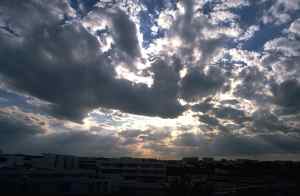
| In this picture is the Tunisia sky in a late April afternoon. |
 |
