 |
|
|
|
|
|
|
|
|
|
|
|
|
|
|
|
|
|
|
|
|
|
 |
|
|
|
The Underground Railroad |
|
|
|
The Underground Railroad was an unorganized system used for transporting slaves to norhtern free states or to full freedom in Canada. "Conductors" would assist slaves from the south by hiding them in cellars, houses, barns and wagons. They would take small groups of slaves at a time north by nightfall. The job was very dangerous for the "conductors", because they could lose thier property or even be killed. |
|
|
|
 |
|
|
|
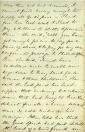
Text written by escaped slave |
|
|
 |
|
|
|
|
|
|
The Underground Railroad was a great benefit to slaves. It gave them hope for a new and better life in free territory. Southern slave owners were angered by the Underground Railroad, because their slaves could run away at any time and they may not have been able to compensate for the loss slaves at the time. The Underground Railroad increased the animosity between northern abolitionists and southern slave owners, thus escalating to the Civil War. |
|
|
|
|
|
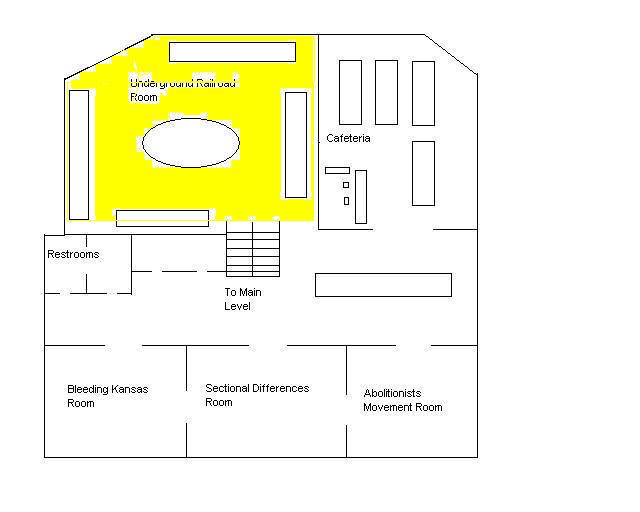
The Underground Railroad Room |
|
|
|
 |
|
|
|
|
The Underground Railroad room in the new wing will house primary text documents from slaves, escaped slaves and "conductors". There will also be an audio feature center, where visitors will be able to hear what it would be like to travel along the Underground Railroad. They will hear stories from the point of view of Harriet Tubman, a famouse escaped slave "conductor". The room will also contain letters and digital journals from slaves and escaped slaves. Guests will be able to read what a specific person felt while traveling to freedom. |
|
|
|
|
|
|
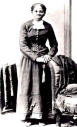
Famous Underground Railroad "Conductor" Harriet Tubman |
|
|
|