|
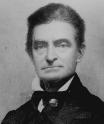
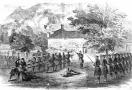
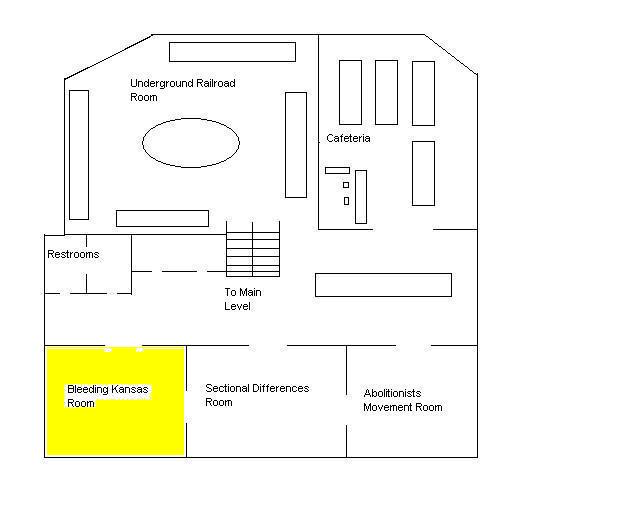
Until the Kansas-Nebraska Act of 1854, the United States followed the laws of the Missouri Compromise, which stated that slaver could not extend above the 36'30 line. Stephen A. Douglas, who was a U.S. senator, wanted to make a Kansas territory in order to get one step closer to fullfilling his dreams of manifest destiny. In light of gaining popularity in the south, Douglas disregarded the Missouri Compromise and opted to construct the Kansas-Nebraska Act. As a result of the Kansas-Nebraska act of 1854, congress decided to allow the residents of Kansas to decide, by way of voting, whether or not Kansas would be a free or slave state. This caused supporters of slavery as well as abolitionists to rush into Kansas in order for their side to be the victorious one in the ballot. Unsurprisingly, the two parties interaction with eachother led to violence. Before the vote had been counted (only 20 out of every 600 were actually legal voters) 200 people had been killed. Hostility took the form of both haphazard battles to stealthy assassinations where individuals were hunted down and killed in their bed. Perhaps the most prominent abolitionist during the bleeding kansas era was John Brown. He would later be remembered imfamously by some and as a martyr for God's will by others. In the end, the proslaver side one the vote, however. |
|
|