 |
|
|
|
|
|
|
|
|
|
|
|
|
|
|
|
|
|
|
|
|
|
|
|
|
|
|
|
|
|
|
Kyoto |
|
|
|
Okay, so admittedly, when you first arrive in Kyoto your first impression will definitely not be of a historical, cultural centre of Japan, what with all the traffic and modern office buildings etc. However, there`s a good reason why the US chose not to bomb this city during the war - look around a bit and you`ll soon be immersed in all the culture and history you could ever want! |
|
|
|
 |
|
 |
|
|
|
|
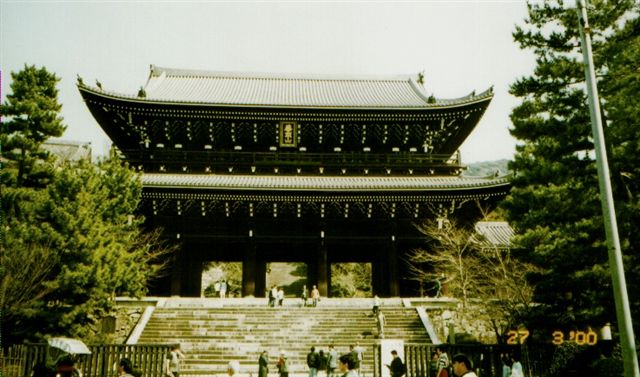
The sanmon gate at Chion-in Temple, built in 1234. This is the largest temple gate in Japan! |
|
|
|
|
|
|
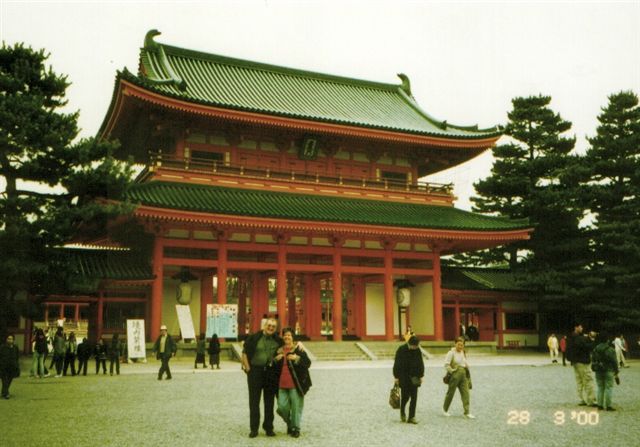
This is the Otemon, the main gate for Heian-Jingu Shrine. Built in 1895 to celebrate Kyoto`s 1,100th birthday, it is dedicated to Emperor Kammu, who created Kyoto in 794. |
|
|
|
|
 |
|
|
|
|
|
|
 |
|
|
|
|
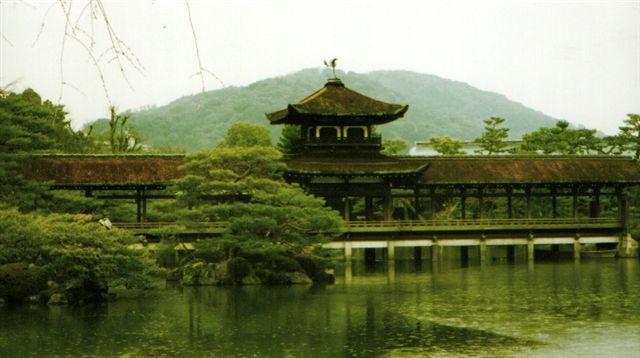
Part of the garden that occupies a large part of the shrine`s grounds, this is the Chinese-style taihei-kaku, or Bridge of Peace. |
|
|
|
|
|
 |
|
|
|
|
|
|
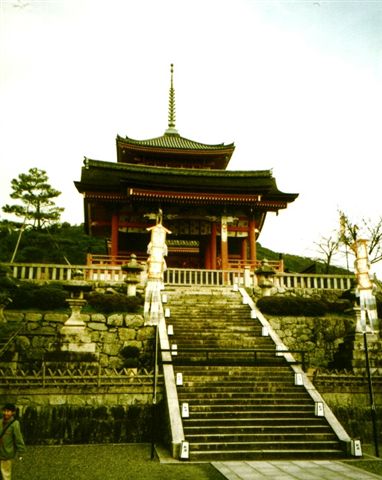
Part of Kiyomizu Temple, built originally in 798. The temple is dedicated to Juichimen Kannon, the goddess of mercy with eleven faces! |
|
|
|
|
|
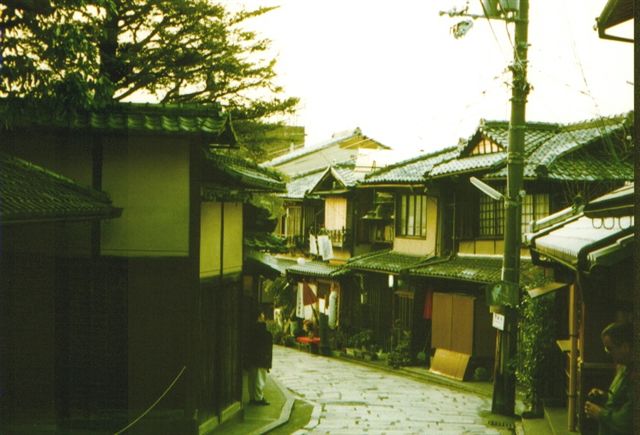
The sannen zaka passage near to Kiyomizu Temple. A beuatiful old world walkway that begins a walking path round some beautiful back streets of Kyoto. |
|
|
|
 |
|
|
|
|
 |
|
|
|
|
|
|
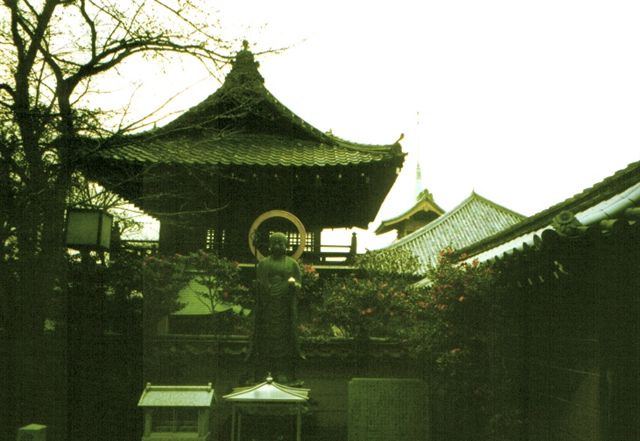
And here`s an example of what you find on this walk...a small local shrine. |
|
|
|
|
|
 |
|
|
|
|
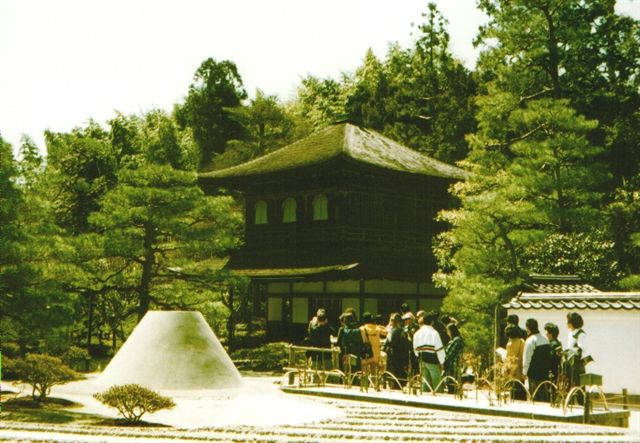
Ginkaku-ji, the Silver Pavillion Temple. Originally built as a retirement villa for a shogun in the 15th Century, the plan was to silver plate the roof of the pavillion, but this never came to fruition. The white sand garden is supposed to represent the sea, while the cone is perhaps meant to be Mount Fuji? Either that or its just a cone of sand to replenish sand kicked away by all the tourists! |
|
|
|
|
|
|
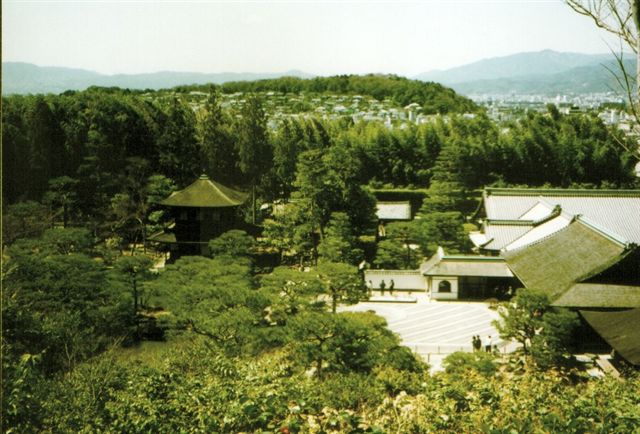
A view of Ginkaku-ji from up above. It really is in quite a beautiful part of Kyoto, away from the centre of the city. |
|
|
|
|
|
 |
|
 |
|
|
|
Back to main page |
|
|
|
|
Back to Travel in Japan |
|
|
|
|