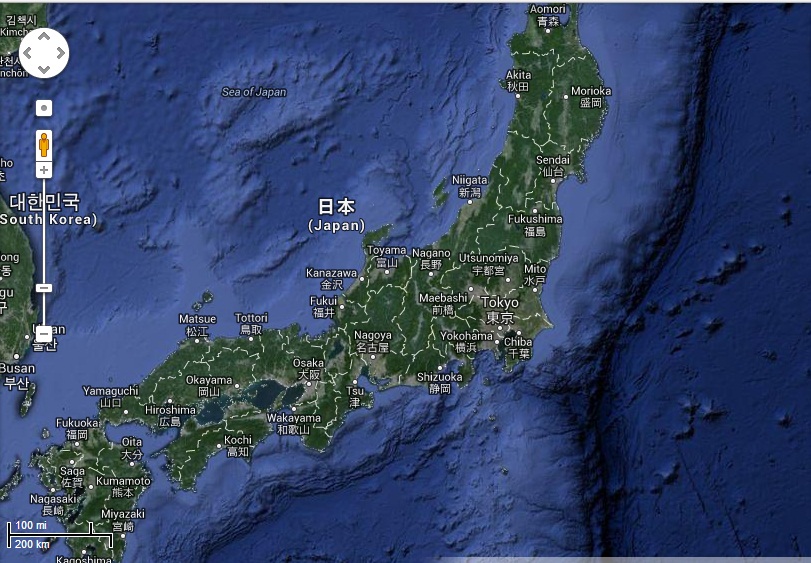
Japan is an island nation in East Asia. Located in the Pacific Ocean, it lies to the east of the Sea of Japan, China, North Korea, South Korea and Russia, stretching from the Sea of Okhotsk in the north to the East China Sea and Taiwan in the south. The characters that make up Japan's name mean "sun-origin", which is why Japan is sometimes referred to as the "Land of the Rising Sun".
Fukuoka
Fukuoka is the capital city of Fukuoka Prefecture and is situated on the northern shore of the island of Kyushu in Japan.
Ranked 12th of the world's most livable cities in the magazine Monocle in 2013, Fukuoka was praised for its green spaces in a metropolitan setting. It is the most populous city in Kyushu, followed by Kitakyushu. It is the largest city and metropolitan area west of Keihanshin. The city was designated on April 1, 1972, by government ordinance. Greater Fukuoka, with 2.5 million people (2005 census), is part of the heavily industrialized Fukuoka�Kitakyushu zone as well as Northern Kyushu.
Tokyo
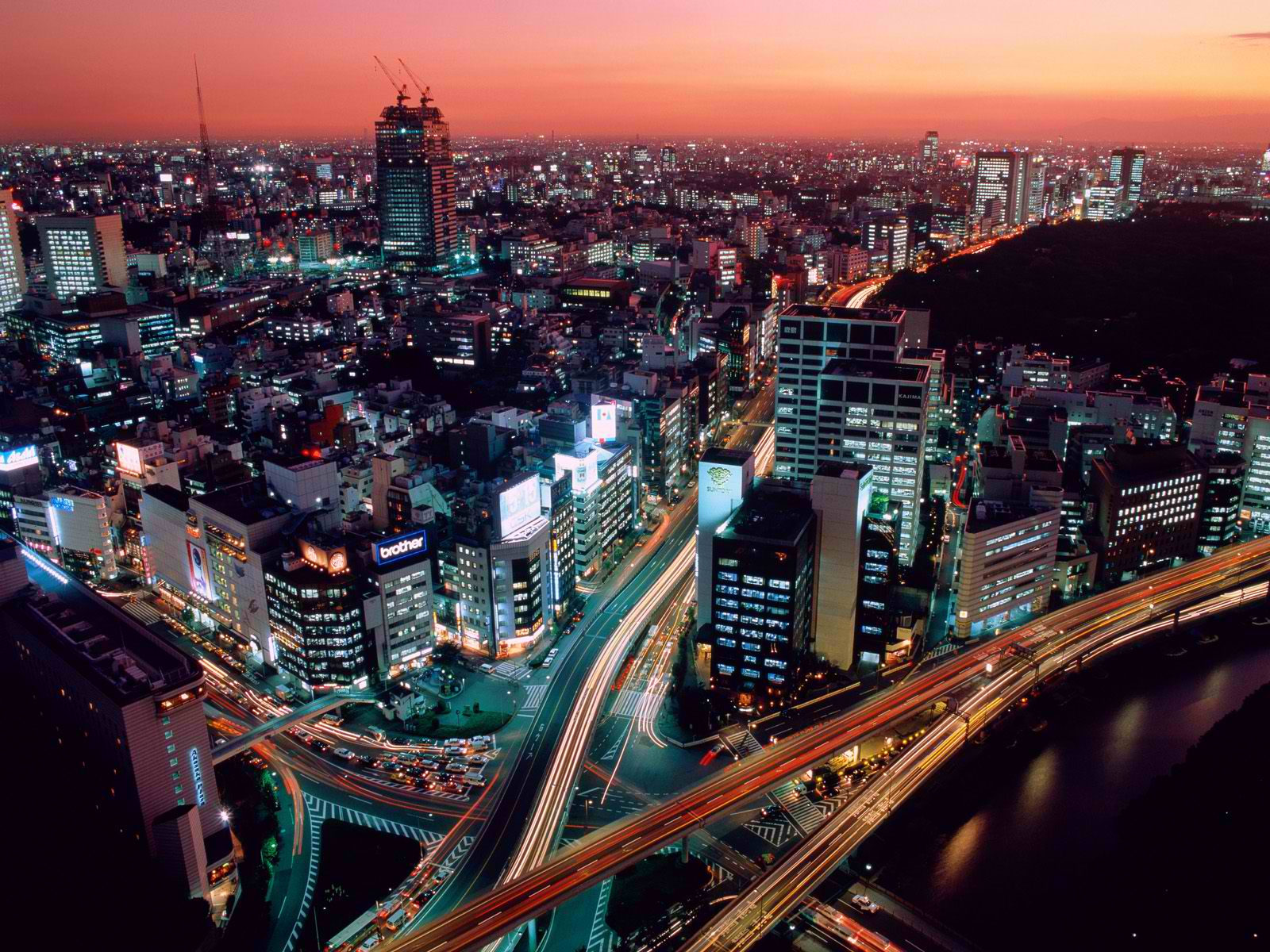
Tokyo is one of the 47 prefectures of Japan. Tokyo is the capital of Japan, the center of the Greater Tokyo Area, and the largest metropolitan area in the world. It is the seat of the Japanese government and the Imperial Palace, and the home of the Japanese Imperial Family. Tokyo is in the Kanto region on the southeastern side of the main island Honshu and includes the Izu Islands and Ogasawara Islands. Tokyo Metropolis was formed in 1943 from the merger of the former Tokyo Prefecture and the city of Tokyo
Hiroshima
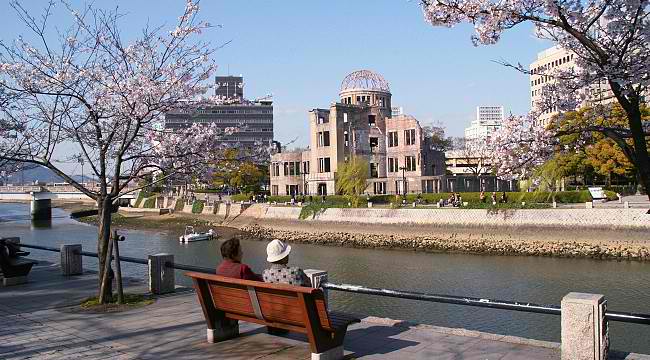
Hiroshima is the capital of Hiroshima Prefecture, and the largest city in the Chugoku region of western Honshu, the largest island of Japan. It is best known as the first city in history to be targeted by a nuclear weapon when the United States Army Air Forces (USAAF) dropped an atomic bomb on it at 8:15 a.m. on August 6, 1945, near the end of World War II. Its name means "Wide Island".
Hiroshima gained city status on April 1, 1889. On April 1, 1980, Hiroshima became a designated city. Kazumi Matsui has been the city's mayor since April 2011.
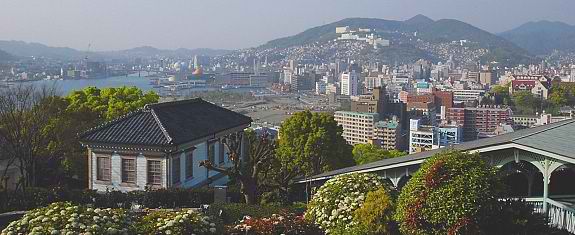
Nagasaki
Nagasaki is the capital and the largest city of Nagasaki Prefecture on the island of Kyushu in Japan. Nagasaki was founded by the Portuguese in the second half of the 16th century on the site of a small fishing village, formerly part of Nishisonogi District. It became a center of Portuguese and other European peoples' influence in the 16th through 19th centuries, and the Churches and Christian Sites in Nagasaki have been proposed for inscription on the UNESCO World Heritage List. Part of Nagasaki was home to a major Imperial Japanese Navy base during the First Sino-Japanese War and Russo-Japanese War. Its name means "long cape".
During World War II, the atomic bombings of Hiroshima and Nagasaki made Nagasaki the second and, to date, last city in the world to experience a nuclear attack.
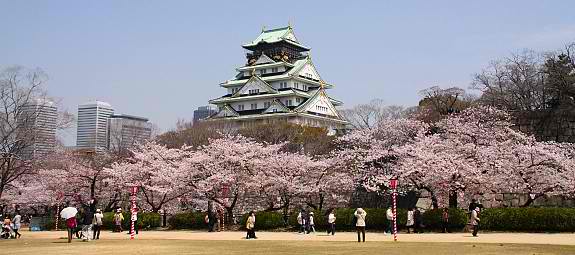
Osaka
Osaka is a city in the Kansai region of Japan's main island of Honshu, a designated city under the Local Autonomy Law, the capital city of Osaka Prefecture and also the largest part of the Keihanshin metropolis, which comprises three major cities of Japan: Kyoto, Osaka and Kobe. Located at the mouth of the Yodo River on Osaka Bay, Osaka is Japan's third largest city by population after Tokyo (special wards) and Yokohama.
Keihanshin is the second largest metropolitan area in Japan by population and one of the largest metropolitan areas highly ranked in the world, with nearly 19 million people, and by GDP the second largest area in Japan and the seventh largest area in the world.