Touring The Wetlands

                               Jamie Anderson                               

For grades 5th through 8th


                                      What will you learn?

                                                         The different types of wetlands

                                                         The differences between them                      

                                                         What kind of life you will find in the wetlands
                                                         What is causing them to die


                                      Why should you learn this?

                                                         70% of the Earth is a wetland

                                                         Don’t you want to know what you are drinking?


                                      What do you already know?

                                                        What is a wetland?

                                                        Where do we find wetlands?

                                                        Name some types of wetlands.

                                                        Where do you like to swim?

                                                        What is pollution?


                                      How will you learn?

                                                        First, you will visit the website http://www.smithtown.k12.ny.us/ghlibrary/wetlands.htm.

                                                                  “The Evergreen Project Adventures-Wetlands”

                                                           Play around in there but make sure you pay special attention to the following places

                                                                  “What Are Fresh Water Wetlands?”

                                                                  “Importance of Wetlands”

                                                                  “Wetlands in Danger”

                                                                  “Wetlands Animals”

 
                                                       Then, you will go back to http://www.smithtown.k12.ny.us/ghlibrary/wetlands.htm and go on the nature walk.

                                                                  “Head for a Camp”

                                                                  “Nature Walk”

 
                                                       Finally, you will draw a picture of your favorite wetland. Please be include as much of the information you just learned as
                                                          possible so I know you understand.


                                      Put on your thinking caps!

                                                      Please answer the following questions.

                                                      1.      What is the difference between a bog and a fen?
                                                      2.      What are the three main sources of pollution that is hurting the wetlands?

                                                      3.      What are some ways in which you can stop pollution?

                                                      4.      Can wildlife live in the wetlands during the winter?  If so, how?

                                                      5.      What are at least nine different types of wetlands?  What kinds are in the town you
                                                       live in?


                                      Now What?

                                                      Now that you have all of this new information, try to see if you can stump someone else.  To do this you need to create a quiz of
                                                          at least ten new questions (you can not use the questions from “Put on your thinking caps”). 

                                                                  You can use:

                                                                Multiple choice                                               

                                                                Fill in the blank                                 

                                                                True or false

                                                                Or anything else you can think of—USE YOUR IMAGINATIONS! 

                                                     Give the test to a family member or a friend who is an adult and bring the results to class.

                                                    You can use the websites mentioned above to get your information or visit another really cool site at       
                                                               
www.epa.gov/owow/wetlands/


                                                What did you learn?                                                

                                                        Make sure you pay attention to the reasons in which our wetlands are in danger. 
                                                        Notice the roles in which the wetlands play in the ecosystem, erosion control as well as in wetland and water purification.                                                                  Please take a look at the different types of life within the wetlands. 
                                                                Which ones live near you? 
                                                               
What role do you think they play in the ecosystem?
                                                       
Remember this common misconception—swamps are not always murky and dirty.  They is the same as other wetlands only                                                                 they have a different form of vegetation.

            
                                                Can you apply what you just learned?

                                              First answer the following questions                                                                     

                                                   1.      Name and define at least eight different wetlands.

                                                   2.      What are the three main sources of pollution and how is it affecting the wetlands?

                                                   3.      How does the polluted wetlands effect your life?

                                                   4.      What are three ways in which you can prevent pollution?

                                                   5.      Can wildlife live in the wetlands during the winter? If so, how?

                                                   6.      Name at least seven different animals life forms that live in the wetlands and what role each play in the ecosystem

                                                   7.      Name at least five different plant life forms that live in the wetlands and what role each play in the ecosystem.


                                                        Now, create an ecosystem on paper that would be able to survive in real life. Be sure to include the following.

                                                                    At least five different animals
                                                                    At least five different plants

                                                                    What type of wetland do you have?

                                                                    How could you help to stop pollution from entering your wetland?

                                                 The End!

                                              You have just learned what a wetland is, how to differentiate between the various types, what type of life exists in each one as                                                           well as what pollutes the wetlands and how to stop it.  You should by now understand the importance of the wetlands in your                                                           everyday lives.  Water makes up about 70% of the Earth and 70% of your own body, knowing where it comes from and how                                                           it effects the lives of the rest of the world is very important for your survival.  Please feel free to ask any questions if any of this                                                           does not make sense or please revisit the sites listed above for more information.  You are now a pro in the art of wetland                                                                 determinations.  CONGRATULATIONS!

                                                                     Click here for a handout of notes which will help you on your test

                                                   
                                                 Extra Credit
                                                   
                                                         You may do one or more of the following for extra credit

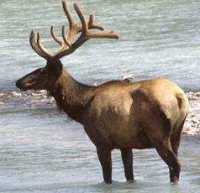
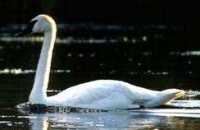
                                                              Can you identify what type of wetland the moose and swan are each in?
                                                              Can you find and bring in seven different pictures of different wetlands?
                                                              Come up with a way to help stop pollution from entering the wetlands in your area.
                                                              Design a test with questions pertaining to what you have learned on wetlands.
                                                              Design and create a living ecosystem involving a wetland.  Identify what type of wetland and how the life forms can survive                                                                 in your ecosystem.

                                 

                                               YOU DID GREAT!     KEEP UP THE GOOD WORK!       YOU ARE A JOY TO HAVE IN MY CLASS!
                           THANK YOU!!!!!


                                       Background and graphics compliments of www.bellsnwhistles.com
Hosted by www.Geocities.ws

1