| Baxter :
The Otago Worlds |
 |

|
|
| Making Fine Art Prints
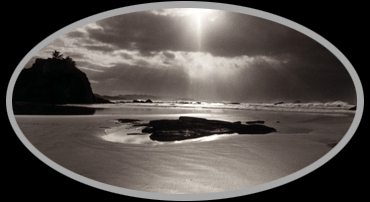
Making fine art prints is a creative process that involves selecting from a range of materials, processes and techniques to reveal an image that reflects the ideas, aesthetics and emotions of the photographer. It is a considered, often slow methodical process that brings the best out of the negative to produce "The Print" rather than a rush to produce "a print". Ansel Adams drew the analogy with music, "The negative is the score, the print is the performance". Most often it uses Fibre based papers, archival processing techniques and toning methods to give the image a greater permanence. Selection of Materials Types of Paper: Resin
coated / Fibre Based
However, this type of paper is not considered optimum for making Fine art prints on and along with more extended processing and washing times, fibre based paper is used. 
Click Click |
 Diagram Courtesy of AGFA
 A
typical time for processing RC paper might be as follows:
A
typical time for processing RC paper might be as follows: