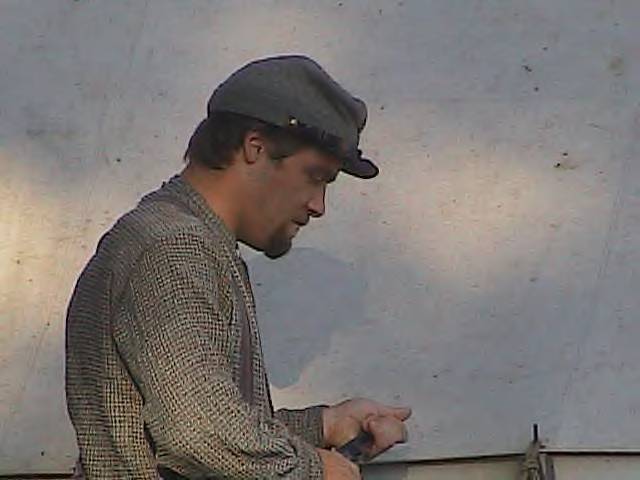
Uniform Standards
1. Uniform coat A. A good start is a simple gray shell jacket of wool or jean wool. B. Civilian sack coats were common all the way from joining up in 1861to the last days before the surrender in ’65. C. Battle shirts are an option for early war battles. D. A Columbus depot is generally acceptable for Army of Tennessee use.
2. Trousers A. Gray, tan or brown are good choices, wool or jean. Either military issue or civilian are appropriate. B. Captured Federal trousers are fine, but try to have Confederate ones also.
3. Drawers A. These can be good if your trousers itch, and were reasonably universal during the war. Federal issue are of canton flannel, civilian are often of muslin.
4. Shirts A. Civilian patterns of cotton cloth, or Confederate issue of osnaburg are good.
5. Vests A. Optional attire. Since these were not issued items, you can use some personal license to come up with this.
6. Socks A. Gray rag wool socks are a good choice.
7. Footwear A. Brogans are a universal choice for infantry, cavalry, and artillery alike. Either Confederate issue or captured Federal. B. Boots are another option, especially for cavalry, though they are less universal an more expensive.
Accoutrements
1. Cartridge box A. Cavalry or infantry, get one appropriate to your long arm, and try to get one with an implement pouch.
2. Cap box A. Leather, one with wool to help hold caps in is best.
3. Waist belt A. Oval CS buckle is a good choice B. A civilian style with a plain roller buckle would also be appropriate, especially for Texans.
4. Bayonet scabbard A. Two rivet Federal scabbards or Confederate versions are correct, make sure it has a tip of either brass or lead.
5. Canteen A. Confederate issue tin drum or wooden are appropriate, and hot dipped tin is fairly rust resistant. B. Stainless steel canteens should have a cloth cover.
6. Haversack A. White linen, canvas or striped pillow ticking are all appropriate.
7. Knapsacks A. Isaac & Campbell or Mexican war bags are a good bet for a Confederate impression. B. Captured Federal bags are also appropriate.
8. Blankets A. Wool or jean wool- issue blankets were in the 3.5 to 4 pound range B. Captured Federal blankets are fine. C. Quilts and coverlets are good too, remember thought, quilts pick up a lot of water and can be very heavy when wet.
9. Eating and drinking utensils A. Cup, plate, flat ware, knife/fork/spoon combos are good.
Weapons
All weapons need to be clean, free from obstructions, and have a working half cock.
1. Long arm A. Confederate cavalry used many two and three band rifles and muskets, but carbines are appropriate and many members of the 8th used shotguns right to the end of the war. B. An 1853 Enfield is good for most Confederate impressions as is the Springfield 1842. Also okay are the Springfield ‘61’s. Two band rifles of various make are also appropriate for the cavalry.
2. Bayonet A. Not required for cavalry, but nice to have if you can get hold of one for portraying infantry or dismounted.
3. Pistol A. A favorite of both sides was the Navy Colt, in .36 caliber, the famed “Navy six”. B. Army Colts in .44 are also a good choice, with Remington's coming right after that. C. Confederate arsenal made pistols are also good to have if you can find them.
4. Knives A. Side knives need to be scab barded and tied on the field.
5. Sabers A. Not generally used in the 8th, or western Confederate cavalry in general, at least by enlisted men. B. If used, they should be of the proper construction with an appropriate scabbard.
Tentage
1. A-frames A. Good choice for those needing space.
2. Shelter halves A. Can put two together for a full issue tent, or can be used as a lean-to by one trooper.
3. Tent-flies A. Used as cover by troops, or supplies, issued by Confederate Quartermasters. Uniform Guidelines