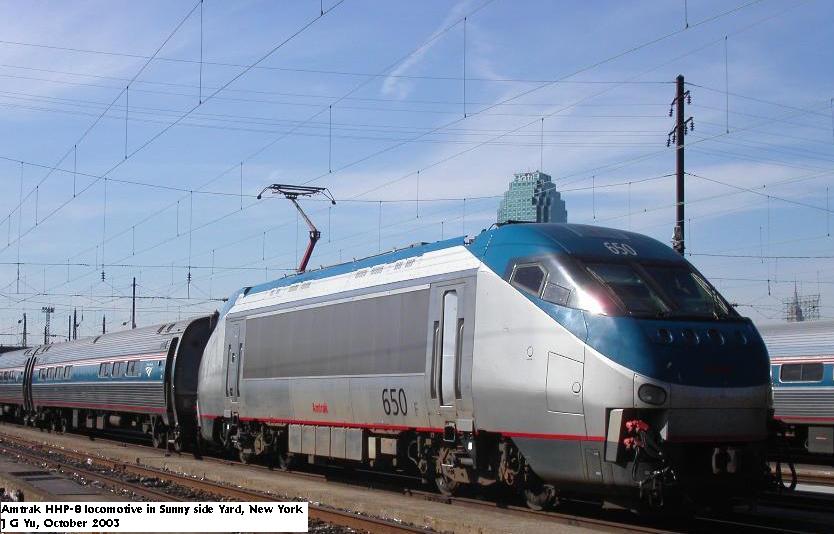
The sizing of transformers, rectifiers and/or inverters, switchgear, cables, conductors (overhead contact system or third rail) are just one aspect of the design. System wide coordinations on issues related to electromagnetic compatibility, such as traction system earthing strategy (for touch voltage and stray current corrosion), harmonic interference to signalling systems and voltage distortion to utility power supply systems, are also important considerations.
This type of studies are not just confined to new transit railway systems. Upgrading an existing system is equally demanding. This may involve introducing more frequent train services, running heavier and more powerful trains, or expanding the infrastructure to cater for traffic growth.
To get the best out of the railway system, simulate it.